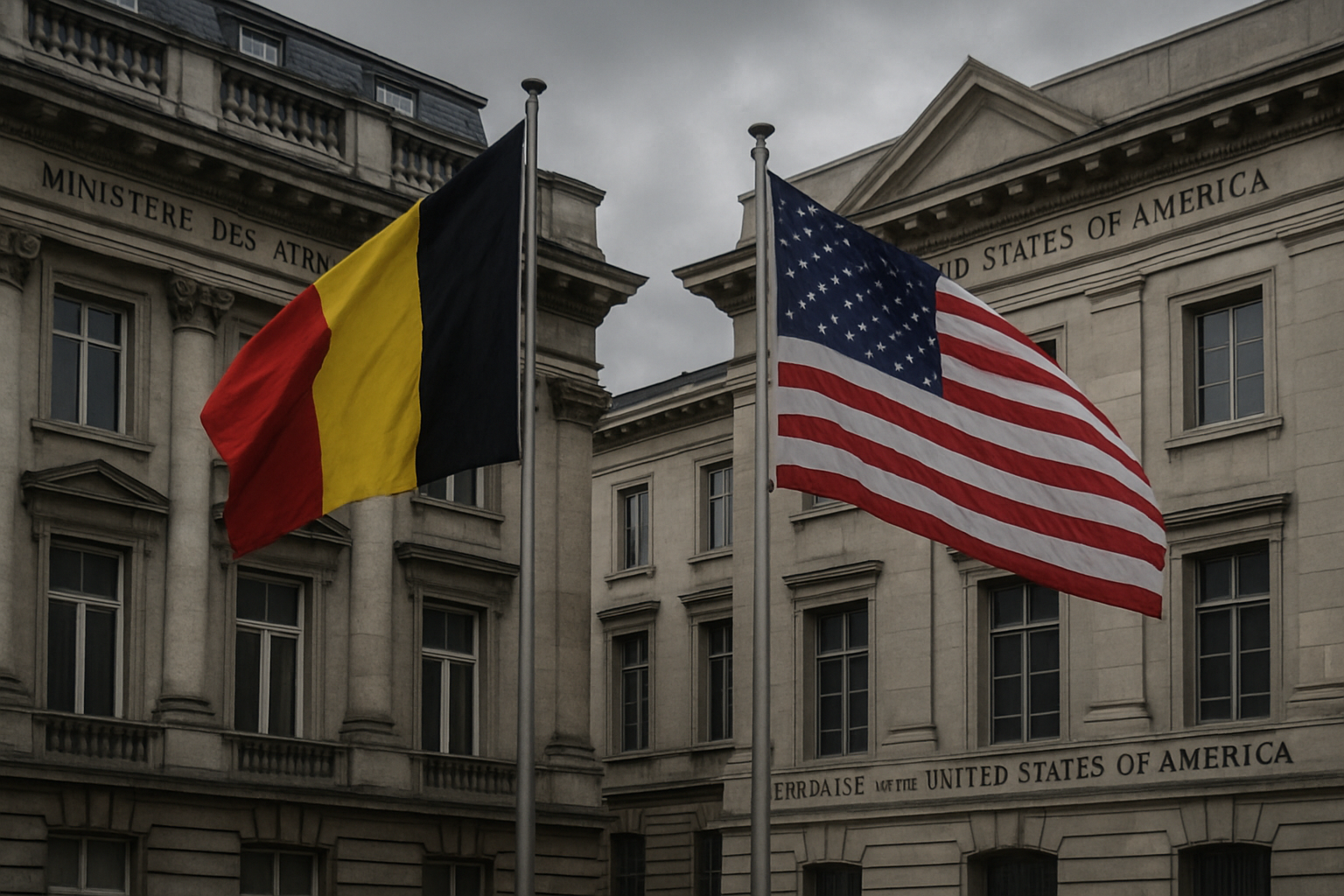
Belgium summoned the US ambassador on Tuesday over social media allegations of antisemitic persecution, creating an unprecedented diplomatic rift between the longtime NATO allies as tensions escalate over American criticism of European social policies.
Foreign Minister Maxime Prevot called US Ambassador Bill White to account following controversial posts on social media platform X, where White accused Belgium of antisemitic persecution of Jewish Belgians. The rare diplomatic summons represents an extraordinary step between nations that have maintained close strategic partnerships for decades.
"Labelling Belgium as antisemitic is not just wrong, it's dangerous disinformation that undermines the real fight against hatred," Prevot stated in his own social media response on Monday evening. The Belgian foreign minister emphasized that such accusations damage international cooperation efforts against genuine antisemitism and create harmful diplomatic precedents.
Escalating Tensions Over European Social Model
The diplomatic row extends beyond social media disputes to fundamental disagreements over European governance approaches. Federal Health Minister Frank Vandenbroucke accused the US government of waging an "ideological attack on our European social model, including our healthcare" during a press conference in Paris on Tuesday.
Vandenbroucke, a Flemish socialist, was responding to broader American criticism of European policies under the current administration. The health minister's comments reflect growing European concerns about American interference in domestic policy debates, particularly regarding social welfare systems and healthcare approaches that differ significantly from US models.
"An ambassador accredited to Belgium has a responsibility to maintain diplomatic standards and avoid inflammatory rhetoric that damages bilateral relations."
— Belgian Foreign Ministry spokesperson
The dispute highlights increasing tensions between American diplomatic representatives and European counterparts over fundamental policy differences. Ambassador White's social media activity has drawn criticism from multiple Belgian political parties, suggesting broad domestic opposition to perceived American overreach in Belgian affairs.
Diplomatic Protocol and International Relations
The formal summons of a US ambassador represents one of the most significant diplomatic disputes between Belgium and the United States in recent decades. Such actions typically occur only during major international crises or fundamental disagreements over policy approaches, making this development particularly notable for observers of transatlantic relations.
Belgium's decision to publicly challenge American diplomatic behavior signals growing European assertiveness in responding to perceived US interference in domestic affairs. The country hosts numerous international institutions, including NATO headquarters and European Union facilities, making diplomatic stability particularly important for international governance structures.
Sources within the Belgian Foreign Ministry indicated that the meeting with Ambassador White addressed not only the antisemitism allegations but broader patterns of American diplomatic communication that Belgian officials consider inappropriate for maintaining constructive bilateral relations.
Regional Implications and NATO Alliance
The diplomatic tension occurs amid broader challenges facing NATO unity and transatlantic cooperation. Belgium remains a committed NATO member and hosts the alliance's headquarters in Brussels, making diplomatic disputes with the United States particularly sensitive for regional security cooperation.
European officials have expressed concerns about American diplomatic approaches that they view as undermining traditional alliance partnerships. The Belgium-US dispute may influence how other European nations respond to similar American diplomatic pressure regarding domestic policy choices.
Defense analysts note that diplomatic tensions could complicate military cooperation and intelligence sharing arrangements, though both nations maintain official commitments to NATO obligations and collective security principles.
Social Media Diplomacy Challenges
Ambassador White's use of social media to criticize Belgian policies represents broader challenges facing traditional diplomatic communication in the digital age. The incident highlights tensions between direct public diplomacy and established protocols for international relations.
Belgian officials emphasized that diplomatic concerns should be addressed through established channels rather than public social media platforms, which can escalate misunderstandings and create unnecessary bilateral tensions. The controversy reflects ongoing debates about appropriate boundaries for diplomatic social media engagement.
International relations experts suggest that the incident may prompt reviews of social media guidelines for diplomatic personnel, particularly regarding criticism of host country policies and sensitive topics like antisemitism allegations.
Historical Context and Future Relations
Belgium and the United States have maintained strong diplomatic ties since World War II, with Belgium serving as a crucial European partner in NATO operations and international peacekeeping efforts. The current dispute represents an unusual departure from typically cordial bilateral relations.
Previous diplomatic tensions between the nations have been rare and quickly resolved through established channels. The decision to publicly summon the ambassador suggests Belgian determination to establish clear boundaries for acceptable diplomatic behavior and communication standards.
Foreign policy analysts will closely monitor how both nations resolve the current dispute, as the outcome may establish precedents for addressing similar diplomatic tensions between NATO allies. The resolution process could influence broader transatlantic relationship dynamics and diplomatic protocol adaptations for the digital communication era.
Both governments maintain official commitments to resolving the dispute through diplomatic channels while preserving essential alliance relationships and NATO cooperation frameworks that serve broader regional security interests.