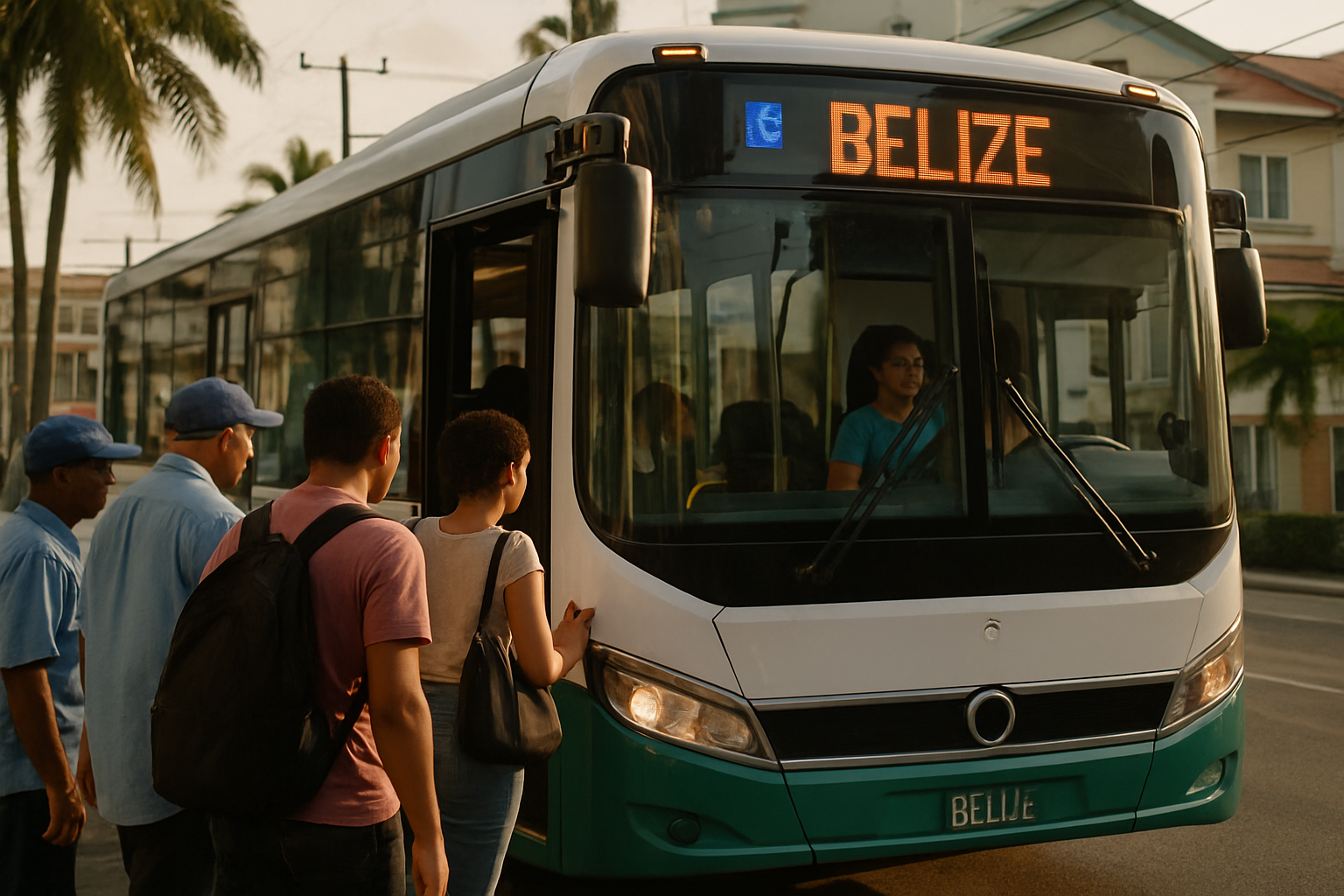
Belize has become the latest nation to implement significant transportation fare increases, as Cabinet approved a comprehensive tiered bus fare system that will see rates rise from 14 cents to as high as 22 cents per mile, while introducing GPS tracking technology across the national bus network.
The Ministry of Constitution and Religious Affairs, Indigenous Affairs, and Transportation confirmed that Cabinet has formally approved a structured fare system for national highway transportation, marking a significant shift from the previous flat-rate pricing model. Under the new system, operators will be allowed to charge up to 18 cents per mile for regular service, 20 cents per mile for express service, and up to 22 cents per mile for a newly introduced premium category.
Multi-Tier Service Structure Emerges
The premium service tier represents a substantial innovation in Belizean public transportation, requiring operators to meet enhanced standards including newer buses, air conditioning, Wi-Fi connectivity, and non-stop service between key destinations. This tiered approach aims to provide passengers with choice while allowing operators to offset rising operational costs through differentiated pricing.
Phillip Jones, President of the Belize Bus Association, confirmed that while the proposal is not yet finalized, operators must formally accept the offer before implementation. The new fare structure could take effect as early as April 24, 2026, according to correspondence from the Transportation Ministry.
"This decision reflects a willingness on the part of government to engage with the concerns of independent operators."
— Phillip Jones, President, Belize Bus Association
All fares will be rounded to the nearest twenty-five cents, and the implementation is expected to bring greater flexibility to the bus transportation sector while addressing the financial pressures facing operators nationwide.
Global Context of Rising Transportation Costs
Belize's fare adjustments come amid a worldwide crisis in transportation funding and operational costs. The decision occurs during what transportation experts describe as the most challenging period for public transit operators since the COVID-19 pandemic, with fuel prices, technology requirements, and climate adaptation pressures creating unprecedented financial strain.
The global transportation infrastructure sector has seen an unprecedented $570 billion investment surge as governments worldwide grapple with aging systems, climate adaptation requirements, and the need for technological modernization. From Estonia's renewable electricity leadership to Latvia's expanded bus fleets, nations are implementing comprehensive strategies to maintain viable public transportation networks.
Recent international developments highlight the complexity of modern transportation challenges. The Philippines suspended fare increases in March 2026 despite operator pressure, while Pakistan implemented emergency fuel subsidies as operators faced unsustainable costs. New Zealand prepared rationing protocols as fuel prices reached crisis levels, demonstrating how global energy markets directly impact local transportation services.
Technology Integration and Safety Enhancements
Beyond fare adjustments, Belize's transportation modernization includes the implementation of GPS tracking systems across the bus network. This technological upgrade represents part of a broader trend toward smart transportation systems seen globally, from Estonia's 88% renewable electricity integration to Singapore's 3D concrete printed infrastructure projects.
The GPS implementation serves multiple functions: enhancing passenger safety through real-time tracking, improving route efficiency, and providing operators with data for service optimization. These systems have become standard in modern transportation networks, with successful deployments in countries ranging from Luxembourg to Latvia showing significant improvements in passenger experience and operational efficiency.
Transportation safety has emerged as a critical concern globally, with over 200 significant transportation incidents documented across 50+ countries since February 2026. GPS tracking and digital monitoring systems represent essential tools for preventing accidents and coordinating emergency responses in an era of increasing transportation demands and climate-related challenges.
Economic Pressures and Operator Sustainability
The fare increase addresses fundamental economic pressures facing bus operators worldwide. Diesel prices have surged globally due to Middle East conflicts, with some regions experiencing increases of over 100% compared to previous years. The Iran Revolutionary Guard's closure of the Strait of Hormuz, blocking 40% of global oil transit, has created the most severe energy crisis since the 1970s oil shocks.
Independent bus operators in Belize, like their counterparts globally, have struggled to maintain financially viable services under these conditions. The move from 14 cents to 18-22 cents per mile represents an attempt to align pricing with actual operational costs while maintaining affordable public transportation access for Belizean communities.
President Jones thanked Prime Minister John Briceño for reconsidering the proposals put forward by the bus association, highlighting the collaborative approach between government and operators in addressing these challenges. This partnership model contrasts with more confrontational approaches seen in other regions, where transportation strikes and service disruptions have become common responses to cost pressures.
Regional Integration and International Standards
Belize's transportation modernization occurs within the context of broader Caribbean and Central American infrastructure development. The country's approach aligns with international best practices emphasizing technology integration, service differentiation, and sustainable financing models that have proven successful in developed markets.
The tiered service structure particularly reflects global trends toward transportation systems that serve diverse passenger needs and income levels. Premium services with enhanced amenities provide options for passengers willing to pay higher fares, while regular and express services maintain affordable access for everyday commuters.
This differentiated approach has succeeded in markets ranging from Europe's high-speed rail networks to Asia's urban transit systems, where multiple service tiers allow operators to optimize revenue while maintaining broad accessibility. Luxembourg's public transportation success, achieving 31.4 million passengers in 2025 through similar integrated approaches, demonstrates the potential for well-designed fare structures to support both operator sustainability and passenger satisfaction.
Climate Adaptation and Sustainable Transportation
The transportation sector faces mounting pressure to adapt to climate challenges, with January 2026 marking the 18th consecutive month of global temperatures exceeding 1.5°C above pre-industrial levels. Infrastructure designed for historical climate patterns increasingly operates beyond intended parameters, requiring enhanced systems and backup capabilities.
Belize's GPS integration represents one component of climate adaptation strategy, enabling real-time route adjustments during extreme weather events and improving emergency response coordination. As Caribbean nations face increasing hurricane intensity and changing weather patterns, transportation systems with digital monitoring capabilities prove essential for maintaining connectivity during disruptions.
The premium service tier's requirements for newer, more efficient buses also align with global emissions reduction goals. Modern bus fleets with improved fuel efficiency and potential electric capabilities represent crucial steps toward sustainable transportation networks, particularly important for Small Island Developing States like Belize that face disproportionate climate impacts.
Future Implications and Policy Development
The success of Belize's fare restructuring will likely influence transportation policy across the Caribbean region and other developing nations facing similar challenges. The combination of graduated pricing, technology integration, and enhanced service standards provides a template for addressing operator sustainability while maintaining public transportation accessibility.
International development organizations are closely monitoring these innovations, as successful models from smaller economies often provide scalable solutions for larger systems. Belize's approach, emphasizing negotiated solutions between government and operators, offers an alternative to the strike actions and service disruptions that have characterized transportation labor relations in larger markets.
The implementation timeline, with formal operator acceptance required before the April 24 start date, demonstrates the collaborative approach that transportation experts increasingly recognize as essential for sustainable service delivery. This contrasts sharply with top-down mandates that have generated resistance in other markets.
Long-term Transportation Strategy
Belize's transportation modernization occurs against the backdrop of unprecedented global infrastructure investment and technological advancement. The $570+ billion global infrastructure surge reflects recognition that transportation networks serve as strategic foundations for economic competitiveness, climate adaptation, and international connectivity in the 21st century.
The integration of GPS technology positions Belize's bus system for future enhancements including predictive maintenance, automated routing optimization, and integration with broader smart city initiatives. These capabilities, standard in advanced transportation networks, enable more efficient resource allocation and improved passenger services.
As global transportation faces continued challenges from energy costs, climate impacts, and technological requirements, Belize's balanced approach of gradual modernization with stakeholder engagement provides a valuable case study. The success of this implementation will determine whether similar collaborative models can address transportation sustainability challenges across developing economies facing comparable pressures.
The fare increases represent more than pricing adjustments; they signal Belize's commitment to maintaining viable public transportation during a period of global transformation in mobility systems. As nations worldwide grapple with balancing operator sustainability, passenger affordability, and technological advancement, Belize's experience will contribute valuable insights to international transportation policy development.