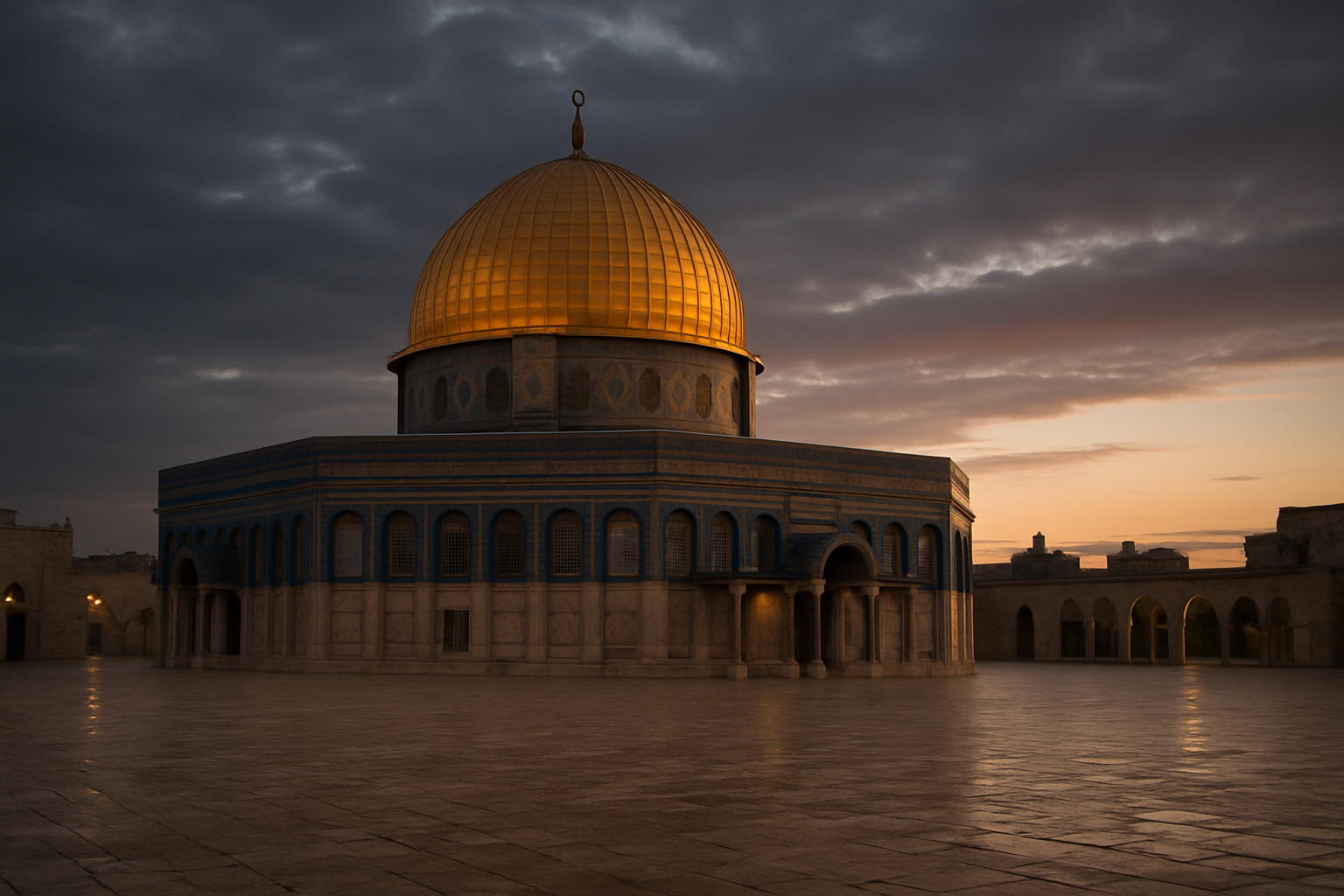
Israeli National Security Minister Itamar Ben-Gvir conducted a controversial raid on the Al-Aqsa Mosque compound in Jerusalem on April 6, 2026, sparking immediate and widespread international condemnation from Arab nations and regional powers who denounced the action as a flagrant violation of international law and a dangerous provocation against Islamic holy sites.
The incident, which occurred under heavy Israeli police protection, represents the latest escalation in tensions surrounding one of Islam's most sacred sites and comes amid an already volatile regional security environment marked by ongoing conflicts across the Middle East.
Immediate Regional Response
Qatar led the international condemnation, with the Foreign Ministry issuing a statement describing Ben-Gvir's actions as "a blatant violation of international humanitarian law and a provocation to the feelings of Muslims around the world." The Qatari government emphasized its "categorical rejection of attempts to undermine the religious and historical status of Al-Aqsa Mosque."
Hamas, the Palestinian resistance movement, characterized the raid as representing "a new escalation that reflects the occupation's policy aimed at imposing Judaization and complete sovereignty" over the holy site. The organization warned that such actions demonstrate Israel's most dangerous approach toward establishing control over religious sites sacred to Muslims globally.
Palestinian sources described the incident as occurring at a particularly sensitive time, as the Al-Aqsa Mosque has been closed to Muslim worshippers for more than 35 consecutive days, preventing thousands from performing prayers during the Islamic holy month of Ramadan and Eid al-Fitr celebrations.
Pattern of Systematic Violations
The Al-Aqsa raid represents the latest in what Palestinian and international observers describe as systematic violations of established religious and legal frameworks governing Jerusalem's holy sites. According to documented reports, Israeli authorities have implemented unprecedented restrictions on Muslim access to the mosque compound, limiting worshippers to 10,000 during peak religious periods and banning traditional iftar meal distribution during Ramadan.
These restrictions have occurred alongside broader patterns of escalation across Palestinian territories. International monitoring organizations have documented over 1,600 ceasefire violations in Gaza since October 2025, resulting in more than 600 Palestinian deaths during what was supposed to be a peace period.
"This provocation comes at a time when Muslims worldwide are observing their holiest periods, making it particularly offensive to religious sensibilities."
— Senior Palestinian Official
Historical Context and Religious Significance
The Al-Aqsa Mosque compound, known to Muslims as Haram al-Sharif (Noble Sanctuary), represents Islam's third holiest site after Mecca and Medina. The complex houses both the Al-Aqsa Mosque and the Dome of the Rock, and Islamic tradition holds that Prophet Muhammad ascended to heaven from this location during the Night Journey.
The site has been governed by complex arrangements dating back centuries, with Jordan maintaining custodial responsibilities over Islamic holy sites in East Jerusalem under agreements recognized by the international community. Ben-Gvir's incursion represents a significant departure from these established protocols and threatens to destabilize carefully maintained religious balances.
Israeli authorities have previously conducted raids and imposed restrictions on the compound, but the current action comes amid particularly heightened regional tensions and during periods of Islamic religious observance, amplifying its symbolic and provocative impact.
Broader Regional Security Context
The Al-Aqsa incident occurs within a broader Middle Eastern crisis that has seen unprecedented levels of conflict and instability. The region is currently experiencing what UN Secretary-General António Guterres has described as "the greatest test of multilateral cooperation in the modern era," with simultaneous conflicts affecting multiple countries and millions of civilians.
Recent months have witnessed the collapse of ceasefire agreements, systematic violations of international humanitarian law, and the breakdown of diplomatic frameworks that had previously maintained relative stability. The targeting of religious sites represents a particularly dangerous escalation that threatens to inflame religious and sectarian tensions across the region.
International experts warn that violations of religious freedom during periods of active conflict create precedents that could undermine protection frameworks for sacred sites globally. The Al-Aqsa incident follows recent restrictions on Christian worship at the Church of the Holy Sepulchre during Palm Sunday, creating a pattern of religious site targeting that affects multiple faith communities simultaneously.
International Law and Diplomatic Implications
Legal experts and international organizations have consistently held that Israeli actions regarding Jerusalem's holy sites violate multiple provisions of international law, including UN Security Council resolutions that declare Israeli policies in occupied East Jerusalem null and void.
The Geneva Conventions and international humanitarian law provide specific protections for religious sites during periods of conflict and occupation, protections that many international observers argue are being systematically violated through current Israeli policies.
Qatar's Foreign Ministry emphasized "the necessity for the international community to bear its moral and legal responsibilities toward Jerusalem and its holy sites and to firmly confront repeated Israeli violations." This call reflects growing frustration among regional and international partners about the apparent inability of diplomatic mechanisms to prevent escalatory actions.
Implications for Regional Stability
The timing and nature of Ben-Gvir's Al-Aqsa raid raise significant concerns about potential spillover effects across the broader Middle East. Religious provocations at highly sensitive sites have historically triggered region-wide protests and increased support for resistance movements opposed to Israeli policies.
Palestinian Authority officials and regional governments have expressed concerns that such actions represent deliberate attempts to inflame religious tensions and undermine ongoing diplomatic efforts to achieve stable resolutions to regional conflicts. The incident comes as various international mediators are attempting to broker solutions to multiple simultaneous crises affecting the region.
Intelligence assessments suggest that religious site provocations can serve as catalysts for broader escalations, potentially affecting not only Israeli-Palestinian relations but also Israel's relationships with regional Arab states that have normalized relations in recent years.
"Actions like these threaten to unravel years of diplomatic progress and risk igniting conflicts that extend far beyond the immediate participants."
— Regional Security Analyst
Response from International Community
The international response to Ben-Gvir's actions reflects growing concern about the systematic erosion of religious freedom protections and the potential for religious site violations to trigger broader regional instability. Multiple countries have issued formal diplomatic protests, with many calling for immediate international intervention to prevent further escalations.
European diplomats have expressed particular concern about the precedent-setting nature of systematic religious restrictions during periods of conflict. Over 400 European Union diplomats have separately called for increased pressure on Israeli authorities to respect international law and religious freedom protections.
The incident has also drawn attention from international human rights organizations, which have documented patterns of restrictions affecting multiple religious communities and warned about the erosion of fundamental religious liberty protections in occupied territories.
Future Implications and Concerns
The Al-Aqsa raid represents more than an isolated incident; it symbolizes broader challenges to international law enforcement and religious freedom protection during periods of active conflict. The systematic nature of restrictions on Muslim access to their third holiest site, combined with similar limitations on Christian worship, suggests a comprehensive approach that could fundamentally alter Jerusalem's religious landscape.
International mediators and regional partners face the challenge of responding effectively to prevent further escalations while maintaining diplomatic relationships essential for broader regional stability. The failure to address religious site violations risks emboldening similar actions and could establish dangerous precedents for other conflict zones globally.
As tensions continue to mount across the Middle East, the protection of religious sites and the enforcement of international law governing religious freedom represent critical tests of the international community's commitment to preventing conflicts from spiraling into broader regional wars that could affect millions more civilians and threaten global stability.
The coming days and weeks will likely prove decisive in determining whether diplomatic intervention can successfully address these violations and restore respect for religious freedom protections, or whether the systematic erosion of religious rights will continue to contribute to regional instability and conflict escalation.