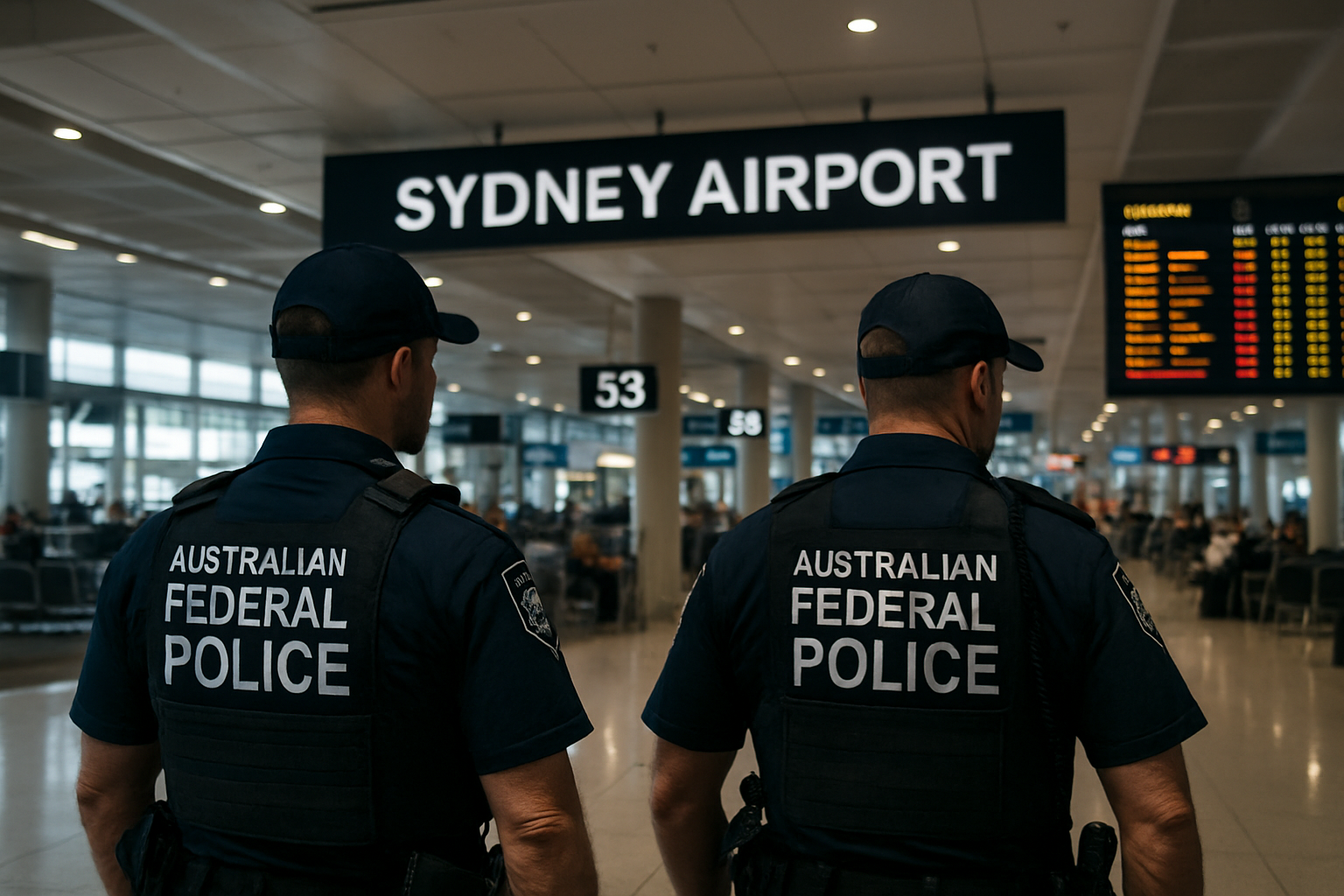
Ben Roberts-Smith, Australia's most decorated living soldier, was arrested by Australian Federal Police at Sydney Airport on Tuesday over alleged war crimes committed during his service in Afghanistan, marking a dramatic culmination of a five-year investigation that could see the Victoria Cross recipient face life in prison if convicted.
The 47-year-old former Special Air Service (SAS) soldier was taken into custody after arriving on a flight from Brisbane, with newly released AFP footage showing officers handcuffing Roberts-Smith in what appears to be an air bridge between the aircraft and terminal. He is expected to be charged with five counts of war crime murder relating to the deaths of unarmed Afghan civilians and prisoners between 2009 and 2012.
Complex Five-Year Investigation
The arrest represents the culmination of a landmark joint investigation by the Australian Federal Police (AFP) and the Office of the Special Investigator (OSI) into alleged war crimes committed by Australian special forces during the Afghanistan conflict. The investigation has examined the deaths of four unarmed Afghan men dating back nearly 20 years.
AFP Commissioner Kristy Barrett confirmed during a press conference that Roberts-Smith faces charges relating to incidents that occurred during his Afghanistan deployment between 2006 and 2012. The charges, if proved in court, carry a maximum sentence of life imprisonment under Australian law.
"This arrest follows a complex, five-year investigation examining serious allegations of war crimes," Barrett stated. "The Australian Federal Police and OSI have worked tirelessly to ensure a thorough and impartial investigation into these matters."
Unprecedented Arrest at Airport
Witnesses described the moment Roberts-Smith was detained at the busy domestic terminal. "Dressed in holiday attire and flanked by his family, the former war hero had no idea scores of police were waiting for him on the airport tarmac," according to sources present during the arrest.
The dramatic nature of the arrest underscores the significance of the case, which has drawn intense public scrutiny and represents the first time Australia's most decorated soldier has faced criminal charges related to his military service.
"If found guilty, Australia's most decorated soldier could face life in prison."
— Legal Expert Commentary
Military Career and Decorations
Roberts-Smith's military career was distinguished by exceptional service and recognition. He received the Victoria Cross, Australia's highest military honor, for his actions during operations in Afghanistan. His service record includes multiple deployments to Afghanistan between 2006 and 2012, during which the alleged incidents are said to have occurred.
The Victoria Cross recipient's arrest marks an unprecedented moment in Australian military history, as no soldier of his standing has previously faced such serious criminal charges related to actions during active service.
Political and Public Reactions
The arrest has divided political opinion, with some figures voicing continued support for Roberts-Smith despite the serious charges. One Nation leader Pauline Hanson and former Prime Minister Tony Abbott have both expressed their backing for the former soldier.
"One Nation leader Pauline Hanson vowed 'not to abandon' Roberts-Smith following his arrest and pending charges," according to sources close to the politician. Abbott similarly emerged in support of Roberts-Smith, emphasizing his distinguished service record.
However, the charges have also sparked broader discussions about military accountability and the importance of investigating alleged war crimes, regardless of an individual's service record or decorations.
Legal Proceedings Ahead
The case will proceed through the Australian court system, with Roberts-Smith expected to appear before a magistrate in the coming days. Legal experts note that war crimes prosecutions are complex and often lengthy, requiring extensive evidence and testimony from multiple sources.
The charges represent a significant test of Australia's commitment to investigating alleged war crimes and upholding international humanitarian law. The prosecution will need to prove beyond reasonable doubt that Roberts-Smith committed murder under the specific circumstances outlined in war crimes legislation.
Broader Afghanistan Investigation
Roberts-Smith's case is part of a broader examination of Australian military conduct in Afghanistan. The Brereton Report, released in 2020, identified credible information concerning potential war crimes committed by Australian special forces personnel during the Afghanistan conflict.
The investigation has examined dozens of incidents and has resulted in recommendations for further criminal investigations. Roberts-Smith's arrest represents the highest-profile outcome of these ongoing investigations to date.
International Implications
The case has garnered international attention as countries worldwide grapple with questions of military accountability and war crimes prosecution. Australia's handling of the Roberts-Smith case will likely be closely watched by international observers and could influence how other nations approach similar investigations.
The charges also highlight the ongoing challenges faced by military personnel transitioning from combat zones to civilian life, and the importance of maintaining strict adherence to international humanitarian law during military operations.
Next Steps
Following his arrest, Roberts-Smith will undergo the standard legal process, including formal charging and an initial court appearance. The complexity of war crimes cases typically means proceedings can extend over many months or even years.
The case will test Australia's legal system and its capacity to handle high-profile war crimes prosecutions while maintaining the presumption of innocence and ensuring a fair trial for the accused.
As Australia's most decorated soldier faces the most serious charges of his life, the case represents a watershed moment for military accountability and the rule of law in Australia, with implications that extend far beyond the individual charges at hand.