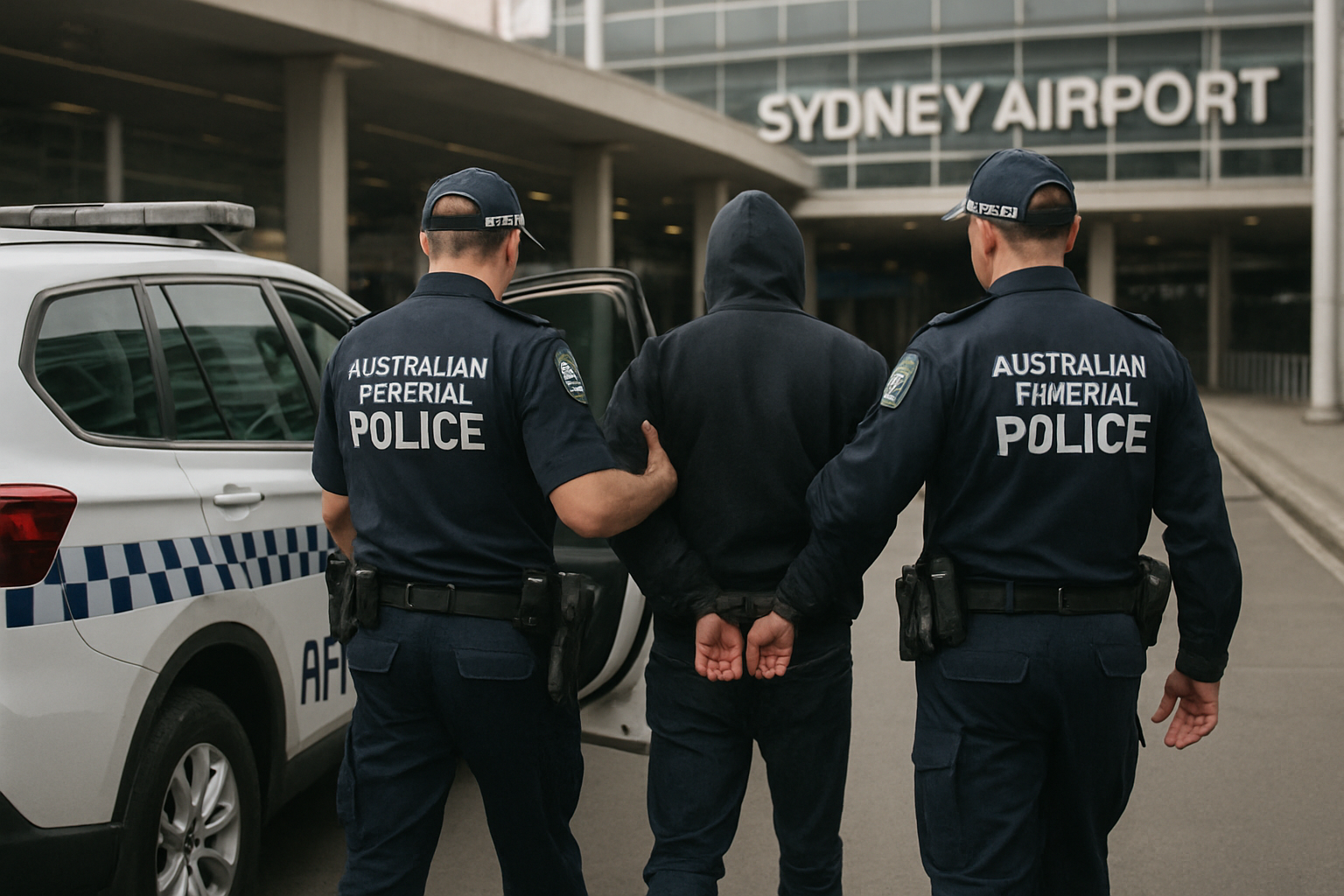
Ben Roberts-Smith, Australia's most decorated living soldier, has been arrested and charged with five counts of war crimes relating to the murder of unarmed Afghan civilians during his deployment in Afghanistan between 2009 and 2012.
The 47-year-old former member of the Australian Defence Force (ADF) was detained at Sydney Airport on Tuesday morning after arriving on a flight from Brisbane. The arrest represents the culmination of a complex five-year joint investigation by the Australian Federal Police (AFP) and the Office of the Special Investigator (OSI) into alleged war crimes committed by Australian special forces personnel.
The Charges and Allegations
Roberts-Smith faces five counts of war crime murder under Commonwealth legislation, with each charge carrying a maximum penalty of life imprisonment. According to AFP Commissioner Krissy Barrett, prosecutors will allege that the victims were not participating in hostilities at the time of their deaths.
"It will be alleged the victims were detained, unarmed and under the control of ADF members when they were killed."
— Krissy Barrett, AFP Commissioner
Investigators further allege that the victims were either shot by Roberts-Smith himself or killed by subordinates acting on his orders and in his presence. The charges relate to separate incidents that allegedly occurred during Roberts-Smith's deployment to Afghanistan, where he served from 2006 to 2012 with the Special Air Service Regiment (SAS).
A Decorated Military Career
Roberts-Smith's arrest represents a dramatic fall from grace for a soldier once hailed as a national hero. In 2011, he was awarded the Victoria Cross, Australia's highest military honor, for extraordinary acts of valor during the Battle of Tizak in Kandahar Province in 2010. The citation praised his "conspicuous gallantry" and noted that his actions "were of the highest order and in keeping with the finest traditions of the Australian Army."
As Australia's most decorated living soldier, Roberts-Smith had become a prominent public figure, undertaking speaking engagements and media appearances. His decorations include not only the Victoria Cross but also the Medal for Gallantry, making him one of only four Australians to receive both honors.
The Brereton Report and Ongoing Investigations
The charges against Roberts-Smith are part of a broader investigation into Australian special forces conduct in Afghanistan following the 2020 Brereton Report. That inquiry identified credible information concerning 39 potential war crimes, including the unlawful killing of prisoners and civilians, committed by members of Australian special forces.
Justice Paul Brereton's report found evidence that 25 ADF personnel were involved in the serious criminal conduct, recommending that the matters be referred to the AFP for criminal investigation. The report described a "warrior culture" within some elements of the SAS that had contributed to the alleged crimes.
Political Reactions and Ongoing Support
The arrest has divided political opinion. One Nation leader Pauline Hanson voiced continued support for Roberts-Smith despite the charges, vowing "not to abandon" him and emphasizing his distinguished service record. Former Prime Minister Tony Abbott has also maintained his support for the decorated soldier.
"We will not abandon Ben Roberts-Smith. His service to our country should not be forgotten."
— Pauline Hanson, One Nation Leader
However, other political leaders have stressed the importance of allowing the legal process to proceed without interference, emphasizing that no one is above the law regardless of their service record or decorations.
Legal Proceedings and International Attention
Roberts-Smith is expected to appear in a New South Wales court to face the charges. His legal team is likely to mount a vigorous defense, potentially challenging both the evidence and the jurisdiction under which the charges have been brought.
The case has attracted significant international attention as countries worldwide grapple with questions of military accountability and the prosecution of war crimes. The charges represent the first time Australia's most decorated soldier has faced criminal charges related to military service, making it a test case for how democratic nations handle allegations against their most senior military personnel.
Implications for Military Accountability
The Roberts-Smith case represents an unprecedented moment in Australian military history and raises broader questions about accountability in modern warfare. Military law experts note that the charges demonstrate Australia's commitment to upholding international humanitarian law, even when it involves prosecuting decorated war heroes.
The case will test the Australian legal system's capacity to handle high-profile war crimes prosecutions while maintaining fair trial principles. It also highlights the complex challenges facing military personnel in asymmetric warfare environments, where the distinction between combatants and civilians can be blurred.
Broader Context of Afghanistan Investigations
Roberts-Smith's arrest comes as part of the broader investigation into Australian special forces conduct in Afghanistan. The Office of the Special Investigator continues to examine other cases identified in the Brereton Report, with additional charges possible as investigations continue.
The Australian government has committed to ensuring accountability for any war crimes committed by its forces, while also implementing reforms to prevent future incidents. These include changes to military culture, enhanced oversight mechanisms, and improved training on international humanitarian law.
As this historic case proceeds through the courts, it will serve as a critical test of Australia's commitment to justice and the rule of law, regardless of the status or decorations of those accused. The outcome will have significant implications not only for Roberts-Smith personally but for how Australia and other nations address accountability for military conduct in overseas operations.