The prestigious Berlin International Film Festival finds itself at the center of international controversy as more than 80 prominent film industry figures, including Oscar winners Tilda Swinton and Javier Bardem, have signed an open letter condemning the festival's silence on what they term the "ongoing genocide in Gaza."
The unprecedented criticism of the 76th Berlinale has intensified debates about the role of cultural institutions in addressing contemporary political crises, with festival jury president and renowned German director Wim Wenders defending the organization's position by stating that "we cannot really enter the field of politics."
High-Profile Condemnation
The open letter, signed by 80 industry signatories, rails against the Berlinale's approach to the ongoing Israel-Palestine conflict, demanding that the festival "fulfill its moral duty" in addressing what they characterize as systematic human rights violations. The letter specifically targets the festival's "institutional silence" regarding the humanitarian crisis in Gaza, which has documented over 1,600 ceasefire violations since October 2025, resulting in hundreds of Palestinian casualties during the supposed truce period.
Among the notable signatories are Academy Award winners Tilda Swinton and Javier Bardem, whose participation lends significant weight to the criticism. The letter accuses the festival of demonstrating "anti-Palestinian racism" through its stance, marking a rare instance of such direct political confrontation at one of the world's most prestigious film festivals.
"Cultural institutions have a responsibility to speak truth to power and cannot hide behind claims of political neutrality when facing clear human rights violations."
— Film industry source familiar with the letter
Festival Leadership's Response
Wim Wenders, the esteemed German filmmaker serving as jury president for this year's festival, has stood firm in defending the Berlinale's position. His statement that the festival "cannot really enter the field of politics" reflects a traditional view of cultural institutions as spaces removed from political discourse, a position that has drawn sharp criticism from the letter's signatories.
The controversy has emerged during what observers have termed the "February 2026 Cultural Renaissance," a period of unprecedented global cultural activity that has seen arts institutions worldwide grappling with their roles in addressing contemporary crises. The Berlin festival's stance contrasts sharply with other cultural institutions that have taken more explicit positions on international conflicts.
Broader Context of Gaza Conflict
The criticism comes against the backdrop of ongoing violations of the Gaza ceasefire agreement established in October 2025. International observers have documented systematic breaches, with the Gaza Government Media Office reporting over 1,600 violations resulting in more than 570 Palestinian deaths during what was supposed to be a period of truce.
Eight Arab nations, including Saudi Arabia, Jordan, Egypt, and the UAE, have issued joint condemnations of these violations, while over 400 European Union diplomats have called for increased pressure on Israeli authorities. The European Left Coalition has gathered more than 400,000 signatures on a petition against EU-Israel partnerships, demonstrating widespread concern about the ongoing humanitarian crisis.
Cultural Institutions Under Scrutiny
The Berlin Film Festival controversy reflects a broader tension facing cultural institutions worldwide as they navigate the balance between artistic neutrality and moral responsibility. The festival, which has historically provided platforms for diverse global voices and politically challenging content, now faces questions about its own institutional stance on contemporary crises.
The timing of this controversy is particularly significant, occurring during the festival's celebration of diverse international cinema. The 76th Berlinale has featured a record 16 European productions competing for Golden and Silver Bear awards, with total EU funding of €1,170,500, highlighting the festival's role as a platform for international cultural dialogue.
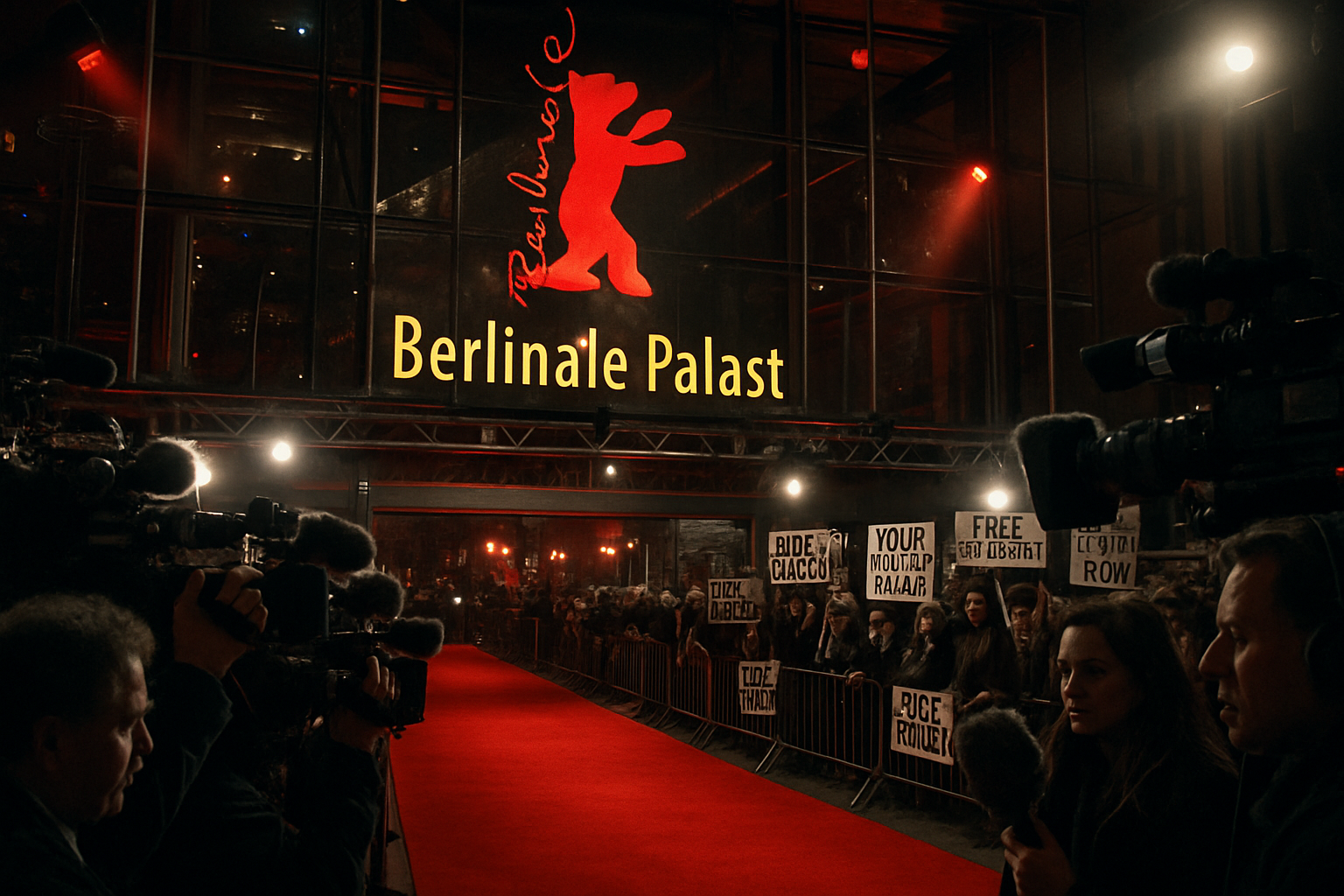
International Media Coverage
The controversy has garnered significant international attention, with coverage spanning from France to Japan and Kuwait. This global media focus demonstrates the far-reaching implications of the debate, extending well beyond the traditional boundaries of film industry discourse into broader questions of cultural institutions' responsibilities in times of crisis.
The Berlinale's position has been contrasted with other international film festivals that have taken more explicit stances on political issues. This comparison has intensified scrutiny of the festival's claims of political neutrality, with critics arguing that silence itself constitutes a political position.
Industry Implications
The open letter represents a significant moment in the ongoing debate about entertainment industry activism. The participation of high-profile figures like Swinton and Bardem signals a potential shift in how cultural institutions are expected to respond to international crises.
Industry observers note that this controversy could influence how other major cultural events approach similar situations. The precedent set by the Berlin Festival's response—or lack thereof—may impact future discussions about the role of arts institutions in political discourse.
Historical Precedent
The Berlin Film Festival has previously addressed political issues, including providing platforms for filmmakers from conflict zones and supporting artistic expression under authoritarian regimes. The current controversy raises questions about consistency in the festival's approach to political engagement and whether different standards are being applied to various international conflicts.
The festival's history includes celebrating films that explicitly address political themes and social justice issues, making the current stance on Gaza particularly notable to critics who view it as a departure from previous practices.
Looking Forward
As the 76th Berlinale continues, the controversy shows no signs of abating. The debate has highlighted fundamental questions about the role of cultural institutions in addressing contemporary crises and the extent to which claims of political neutrality can be maintained in the face of documented human rights violations.
The festival's leadership faces continued pressure from both industry figures and international observers to reconsider its position. The outcome of this controversy may well influence how major cultural institutions worldwide approach similar challenges in the future, potentially reshaping the relationship between arts organizations and political engagement.
The Berlin Film Festival controversy represents more than a single institution's stance on a particular conflict—it embodies broader questions about moral responsibility, institutional neutrality, and the role of culture in addressing the pressing humanitarian crises of our time. As the festival continues, these debates will likely intensify, with lasting implications for the intersection of arts and politics on the international stage.