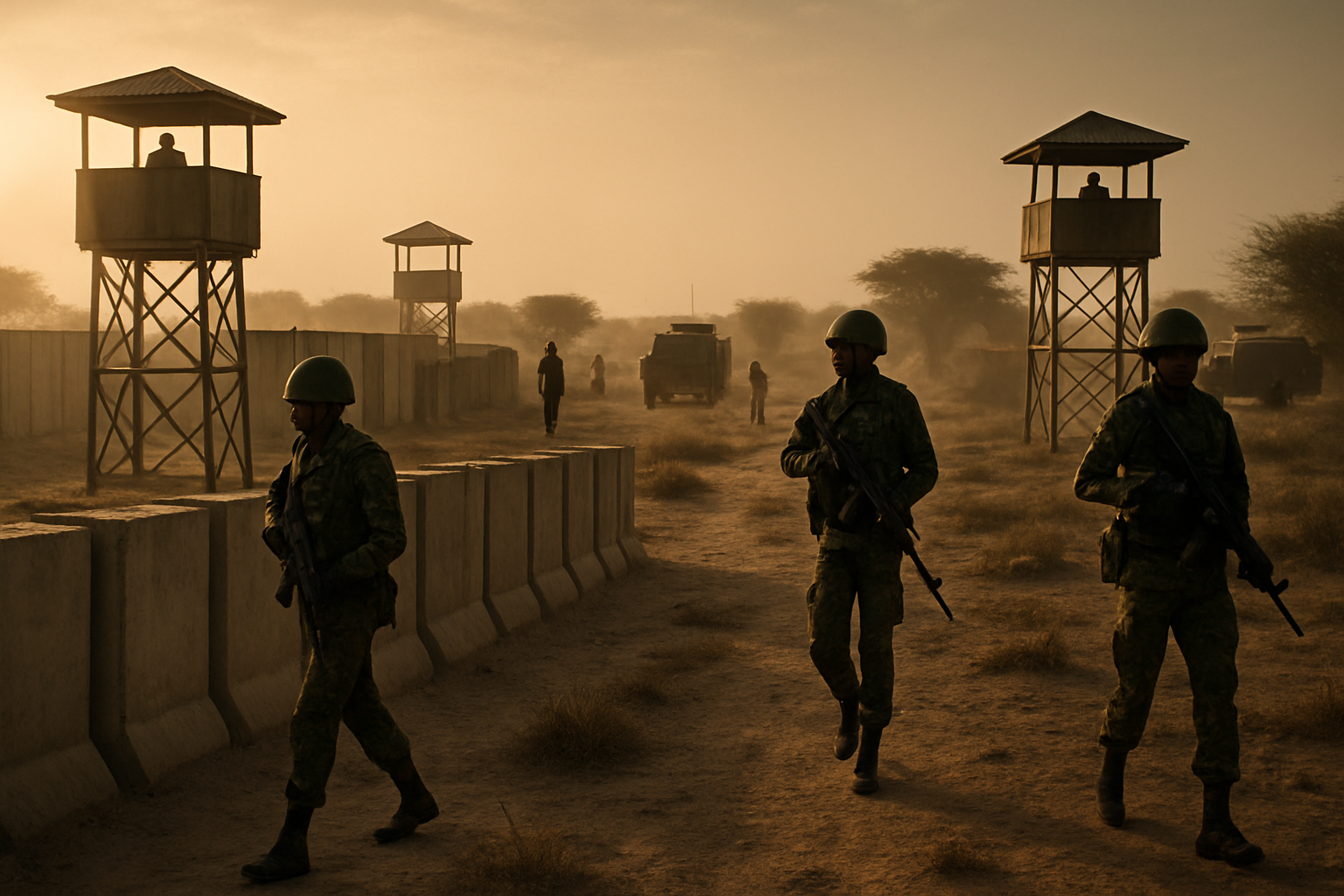
Terrorist groups Boko Haram and Islamic State West Africa Province (ISWAP) launched devastating coordinated attacks on multiple Nigerian military installations in Borno State, resulting in the death of a commanding officer and significant operational losses for Nigerian forces.
Lt. Col. Umar Farouq, a Nigerian Army commanding officer, was killed during the brutal assault on military positions, according to security sources. The attacks, which occurred on March 5, 2026, targeted strategic military locations across Borno State, including bases in Mainok, Jakana, Marte, and Konduga.
Scale and Coordination of the Attacks
Security sources confirmed that the terrorists successfully dislodged troops from their positions, set military vehicles ablaze, and made away with significant quantities of ammunition. The coordinated nature of the attacks across multiple locations demonstrates the sophisticated operational capabilities of these terrorist organizations.
ISWAP has since released disturbing video footage of the March 5 attacks, providing graphic evidence of their assault on the four Nigerian Army bases. The video release represents a significant propaganda victory for the terrorist group, following their established pattern of documenting and publicizing successful operations against Nigerian security forces.
Historical Context of Escalating Violence
These latest attacks occur against the backdrop of Nigeria's expanding security crisis, which has evolved far beyond its traditional northeastern strongholds. Recent memory of similar terrorist activities includes the devastating February 2026 Kwara State massacre where Lakurawa terrorists, affiliated with Islamic State, killed at least 170 people in coordinated village attacks.
The Borno State attacks represent a concerning escalation in the terrorists' capabilities and willingness to engage Nigerian military forces directly. Previous incidents documented in security reports show a pattern of ignored community warnings, intelligence failures, and systematic expansion of terrorist operations into previously stable regions.
"The terrorists have demonstrated increased boldness in directly confronting military installations, moving beyond civilian targets to engage our security forces in their own bases."
— Security Source, speaking on condition of anonymity
Operational Impact and Military Response
The loss of Lt. Col. Umar Farouq represents not only a human tragedy but also a significant blow to military leadership in the region. Commanding officers play crucial roles in coordinating counter-terrorism operations and maintaining troop morale in the challenging northeastern theater.
The seizure of military equipment and ammunition by terrorist forces poses additional security concerns, as these materials can be used to enhance the groups' operational capacity for future attacks. The pattern of vehicle destruction and equipment theft has become a hallmark of successful terrorist raids against Nigerian military positions.
Nigerian military authorities have not yet released official statements regarding casualty figures or the specific military response to these attacks. However, the timing of multiple coordinated assaults suggests careful planning and intelligence gathering by terrorist operatives.
Regional Security Implications
The successful attacks on military bases in Borno State highlight the continued challenges facing Nigeria's counter-terrorism efforts in the northeast. Despite years of military operations and international support, Boko Haram and ISWAP continue to maintain operational capabilities sufficient to conduct complex, multi-location attacks.
These incidents contribute to a broader pattern of security deterioration across West Africa, with terrorist groups expanding their geographical reach and operational sophistication. The ability to simultaneously target multiple military installations demonstrates coordination that extends beyond simple opportunistic attacks.
The video documentation and subsequent release by ISWAP also serves strategic purposes beyond propaganda, potentially providing intelligence to other terrorist cells about successful tactics and vulnerabilities in Nigerian military positions.
Intelligence and Early Warning Failures
Historical analysis of similar attacks reveals recurring patterns of intelligence failures and ignored community warnings. Previous incidents, including the Kwara State massacre, were preceded by months of community reports about suspicious armed groups in surrounding areas, alerts that went unheeded by security authorities.
The successful coordination of attacks across multiple bases in Borno State suggests either significant intelligence penetration by terrorist groups or fundamental gaps in military security protocols. The ability to plan and execute simultaneous operations requires detailed knowledge of military routines, positioning, and vulnerabilities.
Humanitarian and Strategic Consequences
Beyond the immediate military casualties, these attacks contribute to the broader humanitarian crisis affecting northeastern Nigeria. Successful terrorist operations against military targets undermine civilian confidence in security forces and can lead to increased displacement as communities lose faith in government protection.
The international implications extend beyond Nigeria's borders, as the demonstrated capabilities of Boko Haram and ISWAP influence regional security calculations across the Sahel. Success against Nigerian forces, one of West Africa's most substantial militaries, signals to other regional terrorist networks about the feasibility of direct military confrontation.
President Bola Ahmed Tinubu's administration faces mounting pressure to address the expanding security crisis, which has seen terrorist activities spread from traditional northeastern strongholds to previously stable regions across multiple states. The latest Borno attacks represent a direct challenge to military authority in the heartland of Nigeria's counter-terrorism operations.
Looking Forward
The March 5 attacks on Nigerian military bases in Borno State mark a significant escalation in the ongoing conflict between government forces and terrorist organizations. The death of Lt. Col. Umar Farouq and the successful seizure of military equipment represent tactical victories for terrorist groups that may encourage further direct confrontations with security forces.
As Nigeria grapples with this latest security challenge, the need for comprehensive reforms in intelligence gathering, community engagement, and military strategy becomes increasingly apparent. The pattern of preventable attacks preceded by ignored warnings demands fundamental changes in how security threats are identified and addressed.
The release of video documentation by ISWAP also highlights the propaganda dimension of these conflicts, where terrorist groups seek to maximize the psychological impact of their operations through strategic communications. Counter-terrorism efforts must address not only the immediate security threats but also the broader information warfare being conducted by these organizations.