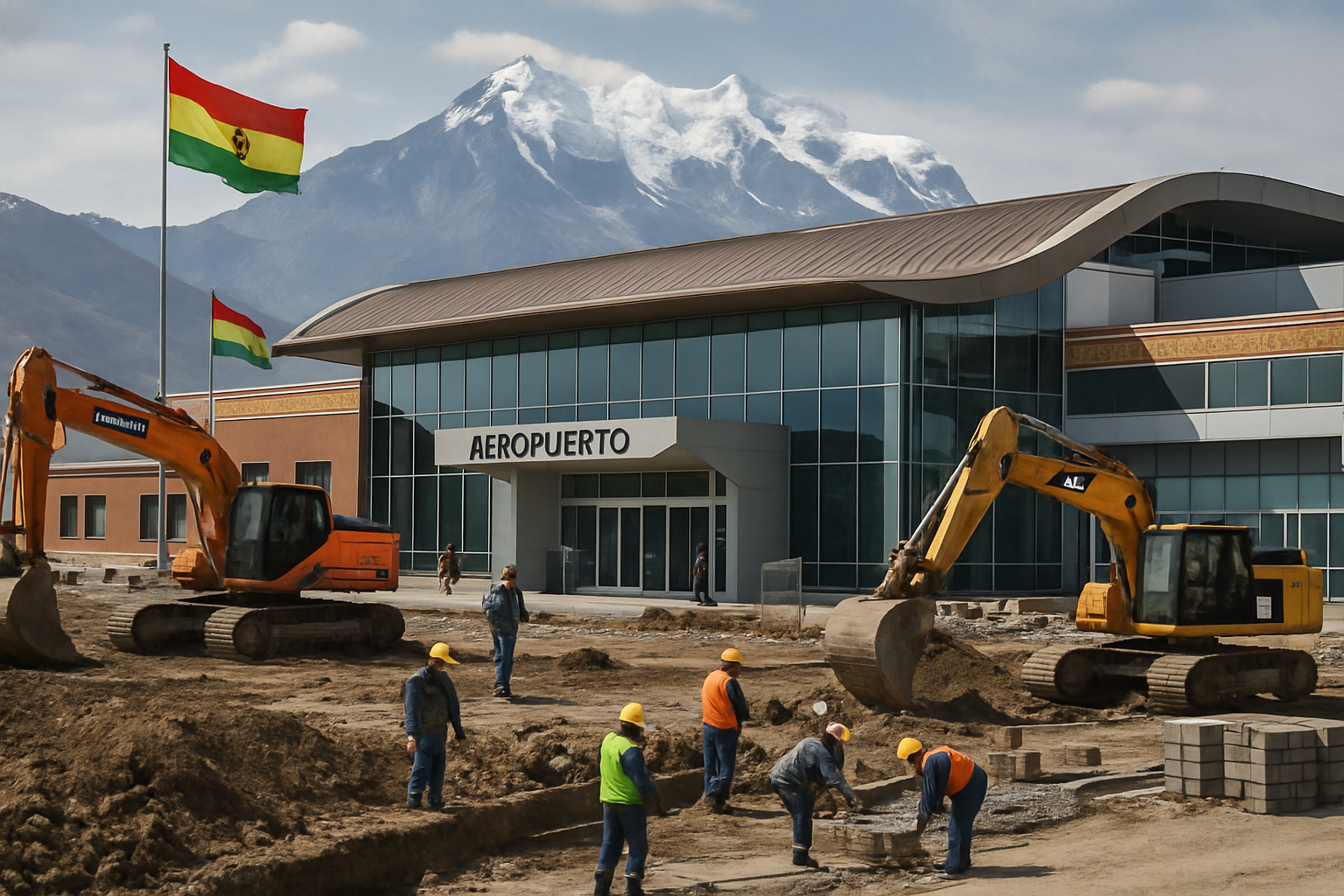
Bolivia is undertaking a comprehensive transformation of its aviation infrastructure while simultaneously receiving crucial international support for flood recovery, illustrating the nation's dual focus on long-term development and immediate humanitarian needs.
National Airport Audit Reveals Infrastructure Priorities
Minister of Public Works Mauricio Zamora announced that the Bolivian government is conducting an unprecedented audit of all 39 airports across the country to evaluate their condition and define strategic actions to enhance the nation's aviation terminals. The comprehensive assessment represents the most ambitious infrastructure modernization effort in Bolivia's aviation history.
"We are conducting an audit of all airports to determine our next steps," Minister Zamora explained. "If some airports are underutilized, we will explore concession options, but we must ensure they serve a purpose. This government's policy is to avoid creating white elephants."
The audit reveals that currently only 14 of Bolivia's 39 airports are fully operational, highlighting significant infrastructure gaps that the modernization program aims to address. Technical teams have already inspected major terminals including Cobija, Guayaramerín, Tarija, Cochabamba, Santa Cruz de la Sierra, El Alto, and Uyuni.
Uyuni Airport: A Model for National Transformation
The Uyuni airport serves as a flagship example of the modernization program's potential. Construction is already underway for a new passenger terminal, firefighting facilities, parking areas, and additional improvements that will transform the gateway to Bolivia's famous salt flats into a world-class facility.
This development is particularly significant for Bolivia's tourism sector, as Uyuni represents one of the country's most internationally recognized destinations. The enhanced infrastructure will support increased visitor capacity while meeting modern safety and operational standards.
"Our objective is to modernize air terminals throughout the country to strengthen tourism."
— Minister Mauricio Zamora, Public Works
Strategic Economic Implications
The airport modernization program extends far beyond infrastructure improvement, representing a comprehensive economic development strategy. Enhanced aviation connectivity will reduce transportation costs, improve market access, and increase Bolivia's competitiveness in international trade and tourism markets.
The initiative aligns with broader regional integration objectives, including the African Continental Free Trade Agreement (AfCFTA) and similar continental connectivity goals that recognize aviation infrastructure as essential for economic competitiveness in the 21st century.
EU Humanitarian Response to Santa Cruz Floods
Simultaneously, Bolivia is receiving critical international support for flood recovery efforts. The European Union has allocated €150,000 in humanitarian aid to benefit at least 3,000 people in the most severely affected areas of Santa Cruz department following devastating seasonal flooding.
The EU support will be channeled through the Bolivian Red Cross to provide emergency response assistance, including direct cash assistance to cover immediate needs of those most affected by the floods. The aid package also includes distribution of personal hygiene kits, cleaning supplies, and water purification materials.
"This funding is part of the EU's global contribution to the Disaster Response Emergency Fund (DREF) of the International Federation of Red Cross and Red Crescent Societies (IFRC)," according to an official EU statement.
Climate Challenges and Infrastructure Resilience
The flooding in Santa Cruz occurred during Bolivia's rainy season, which has become increasingly unpredictable due to climate change. The seasonal rains destroyed homes, crops, and infrastructure, highlighting the urgent need for climate-resilient development approaches.
This context makes Bolivia's airport modernization program even more significant, as new infrastructure incorporates climate adaptation measures including enhanced drainage systems, weather-resistant materials, and backup power systems designed for future rather than historical climate conditions.
International Development Context
Bolivia's dual focus on infrastructure modernization and humanitarian response occurs within an unprecedented global infrastructure investment surge exceeding $570 billion. This represents coordinated international recognition that transportation networks serve as strategic foundations for economic competitiveness, climate adaptation, and sustainable development in the 21st century.
The airport modernization program demonstrates Bolivia's commitment to building adaptive capacity while addressing immediate humanitarian needs through international cooperation. Success factors include sustained political commitment, transparent governance, comprehensive stakeholder engagement, and integration of climate resilience from the design phase.
Technology Integration and Modern Standards
Modern infrastructure projects increasingly incorporate smart technology integration including real-time monitoring, predictive maintenance, digital payment systems, and environmental optimization as standard requirements rather than retrofitted additions. Bolivia's airport modernization follows these global best practices.
The integration of advanced technology with traditional infrastructure approaches creates more efficient, sustainable, and resilient systems capable of adapting to changing conditions over time.
Regional Development Impact
The economic multiplier effects of improved aviation infrastructure extend significantly beyond the airports themselves. Enhanced connectivity supports permanent employment opportunities, business development, cultural exchange, tourism growth, and reduced logistics costs that benefit entire regional economies.
For Bolivia, improved aviation infrastructure particularly supports the nation's position as a strategic transit hub between different South American regions, enhancing trade relationships and cultural connections across the continent.
Implementation Challenges and Solutions
The comprehensive scope of auditing and modernizing 39 airports presents significant implementation challenges including material cost inflation, skilled labor requirements, environmental compliance, and complex coordination across multiple stakeholder groups.
However, Bolivia's approach of conducting thorough audits before implementation, exploring public-private partnerships through concessions, and integrating humanitarian response capabilities demonstrates sophisticated project management adapted to local conditions and international standards.
Future Implications for National Development
The convergence of airport modernization and humanitarian aid response represents Bolivia's strategic approach to 21st-century development challenges. By simultaneously building long-term infrastructure capacity while addressing immediate climate-related emergencies, Bolivia demonstrates how nations can balance development objectives with resilience requirements.
Success in implementing this comprehensive approach could provide a template for other developing nations facing similar challenges of infrastructure modernization while managing climate vulnerability and humanitarian needs.
The airport audit results and subsequent modernization phases will be crucial indicators of Bolivia's progress in building adaptive infrastructure capable of supporting economic development while enhancing resilience to climate challenges that are likely to intensify in coming decades.