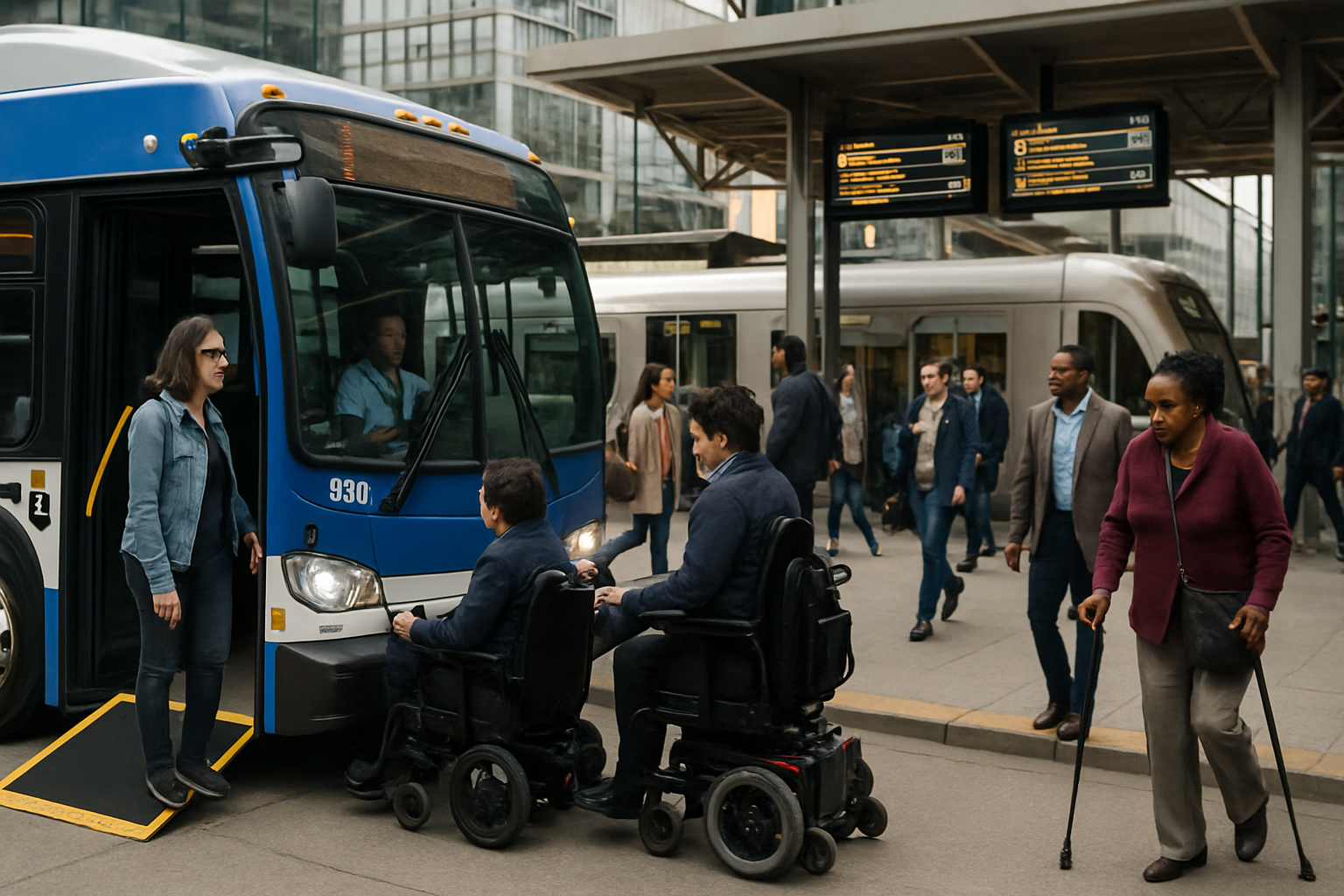
Three nations across different continents are pioneering revolutionary transportation infrastructure developments that exemplify the global shift toward smart, sustainable, and efficient mobility solutions, as part of an unprecedented $570+ billion worldwide infrastructure investment surge.
From Bolivia's innovative express bus routes in La Paz to Bulgaria's comprehensive electric public transportation overhaul in Sofia, and Colombia's ambitious urban interchange project in Medellín, these developments represent a coordinated international response to 21st-century mobility challenges that extends far beyond traditional transportation planning.
Bolivia: La Paz Bus System Launches Strategic Express Network
Bolivia's La Paz municipality is implementing a groundbreaking "express" transportation scheme with the Chasquipampa route serving as the primary corridor—currently the system's highest passenger-volume route. The initiative builds on recent infrastructure successes including the inauguration of Avenida La Paz and the opening of Avenida del Poeta, which have already begun alleviating private vehicle congestion in the Andean capital.
"We are finishing the cable car elevator stop setup. We want to create an immediate connection once Avenida La Paz is 100% operational. Our intention is to implement the Chasquipampa route. We want to offer an express service that allows users to arrive much faster and connect directly with the Obrajes and Calacoto areas,"
— Franco Soliz, General Manager of La Paz BUS
The express system represents a sophisticated approach to urban mobility that integrates multiple transportation modes, connecting the city's cable car network—one of the world's highest and most extensive urban cable car systems—with ground-based rapid transit. Despite these infrastructure improvements, existing routes will maintain their traditional paths, ensuring continuity of service for established passenger flows.
Bulgaria: Sofia's Electric Transportation Revolution
Bulgaria's capital Sofia is undergoing a complete transformation of its urban transportation network through 24 comprehensive changes to ground-based transport infrastructure. The ambitious initiative includes new trolleybus lines, expanded bus connections, route optimizations, and extended services, all part of a systematic shift toward electric public transportation.
"Stolichen Elektrotransport" EAD has secured contracts for 125 new electric vehicles—75 trolleybuses and 50 electric buses—along with necessary charging infrastructure. This represents one of Eastern Europe's most significant public transportation electrification projects, positioning Sofia as a leader in sustainable urban mobility.
The transformation addresses both immediate passenger needs and long-term environmental objectives, incorporating smart traffic management systems, real-time passenger information networks, and integrated digital payment platforms. The initiative aligns with European Union climate targets while supporting Sofia's role as a major regional economic center.
Colombia: Medellín's Transformative Urban Infrastructure Project
Colombia's Medellín is executing a critical urban transformation project with a strategic closure of Carrera 35 in El Poblado district from March 16 to May 15, 2026. The temporary disruption facilitates construction of essential network infrastructure that will significantly improve connectivity between the city's southeastern regions and central areas.
The project involves constructing a major vehicular interchange that will serve as a crucial link for residents of southeastern Medellín, addressing long-standing connectivity challenges in one of Colombia's most dynamic economic regions. The construction includes comprehensive utility network development and road surface improvements designed to support increased traffic volumes while incorporating climate-resilient engineering standards.
The El Poblado project exemplifies modern urban planning that balances short-term disruption with long-term connectivity improvements, following international best practices for minimizing construction impact on daily urban life while maximizing infrastructure benefits.
Global Context: The $570+ Billion Infrastructure Revolution
These three projects represent components of an unprecedented global infrastructure investment surge exceeding $570 billion, spanning continents and encompassing diverse transportation solutions from urban cable cars to electric bus fleets and strategic highway interchanges.
The coordinated international emphasis on transportation infrastructure reflects recognition that connectivity serves as a foundation for economic competitiveness, climate adaptation, and social equity. Modern projects integrate sophisticated technology including real-time monitoring systems, predictive maintenance capabilities, environmental optimization features, and climate-resilient design standards.
Technology Integration and Sustainability Standards
Contemporary transportation infrastructure projects incorporate advanced technology from the design phase rather than as retrofitted additions. This includes digital monitoring systems, automated operations capabilities, integrated payment platforms, and environmental impact optimization.
Climate adaptation has evolved from an optional consideration to a standard requirement, with projects incorporating enhanced drainage systems, weather-resistant materials, backup power infrastructure, and flood management capabilities. The shift reflects recognition that infrastructure must be designed for future climate conditions rather than historical weather patterns.
Economic Multiplier Effects and Regional Integration
Transportation infrastructure investments create substantial economic multiplier effects extending beyond construction employment. Reduced logistics costs, enhanced market access, improved business productivity, and increased regional integration support broader economic development objectives.
Bolivia's express bus system supports tourism and business connectivity between residential areas and commercial districts. Bulgaria's electric fleet modernization positions Sofia as a regional leader in sustainable transportation technology. Colombia's interchange project facilitates commerce and residential mobility in a critical urban area.
Implementation Challenges and Success Factors
Contemporary infrastructure projects face universal challenges including material cost inflation, skilled labor shortages, environmental compliance requirements, and coordination complexity. Success depends on sustained political commitment, transparent governance frameworks, comprehensive stakeholder engagement, and adaptive management strategies.
The three featured projects demonstrate different approaches to community engagement: Bolivia maintains existing service while adding express options, Bulgaria implements systematic network-wide improvements, and Colombia manages temporary disruption for long-term benefits.
International Cooperation and Knowledge Sharing
Modern transportation development increasingly involves international cooperation, technical assistance, and knowledge sharing. Projects benefit from global best practices in urban mobility, environmental sustainability, and smart technology integration.
The coordinated timing of these diverse projects across three continents reflects sophisticated international recognition of infrastructure's role in post-pandemic recovery, climate adaptation, and sustainable economic development.
Future Implications and Development Models
The Bolivia-Bulgaria-Colombia transportation initiatives establish precedents for 21st-century infrastructure development that balance immediate mobility needs with long-term sustainability considerations. They demonstrate how nations can address unique geographic and economic challenges while contributing to global connectivity objectives.
These projects influence transportation planning worldwide through their integration of environmental sustainability, technological innovation, community engagement, and economic development. Success will encourage similar initiatives globally, while challenges provide learning opportunities for improving safety protocols, project management, and community consultation processes.
As the global infrastructure surge continues through 2026, the Bolivia-Bulgaria-Colombia model demonstrates how coordinated international investment can address diverse transportation challenges while establishing foundations for sustainable economic development and climate resilience that will influence connectivity standards for decades ahead.