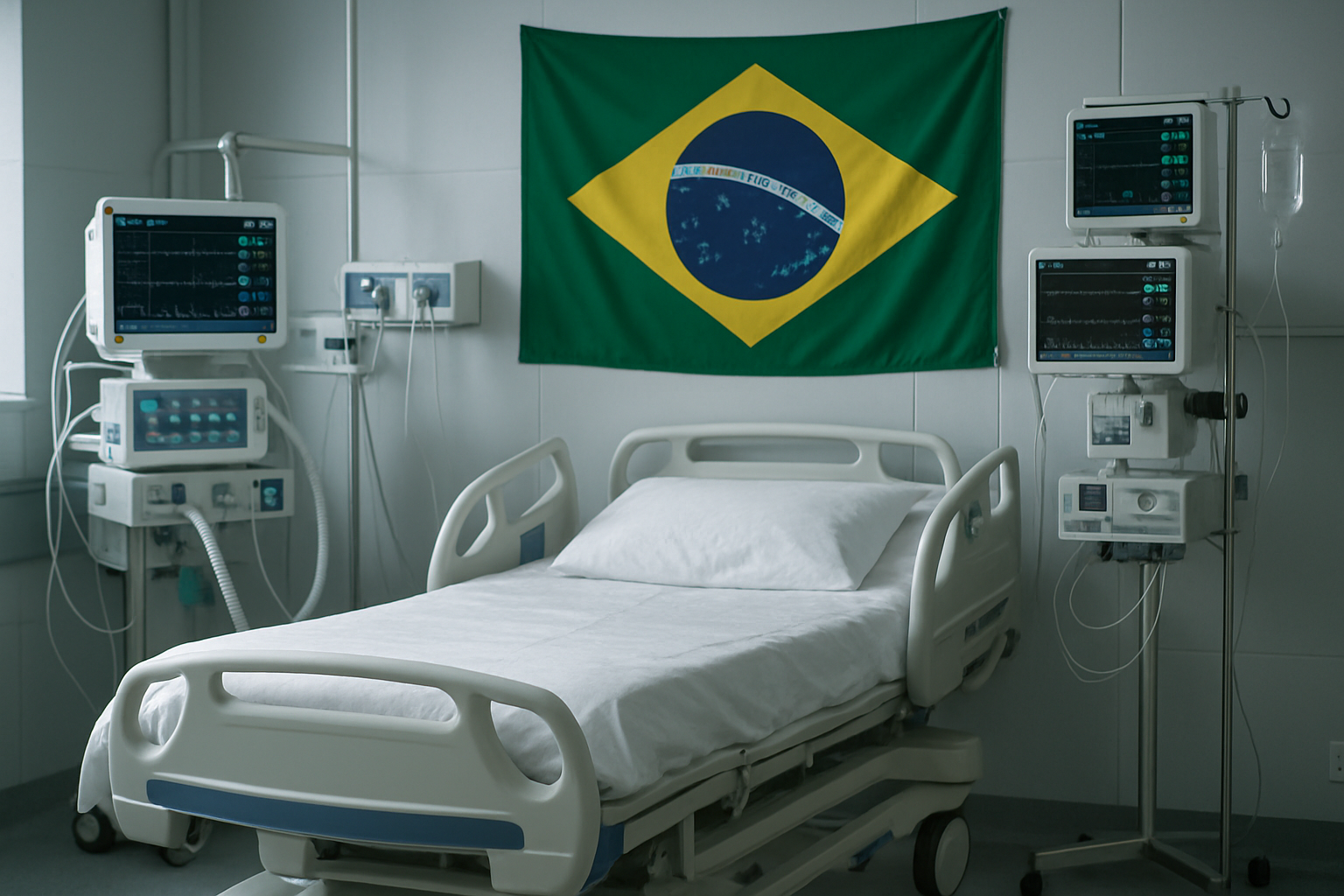
Former Brazilian President Jair Bolsonaro was rushed to intensive care on Friday with severe bilateral bacterial pneumonia, according to medical reports from DF Star Hospital in Brasilia, marking a critical health emergency for the 70-year-old politician currently serving a 27-year prison sentence for coup-related charges.
The former president was transferred from prison to the hospital after experiencing what medical staff described as a "clinical picture of high fever, drop in oxygen saturation, sweating, and chills," according to a medical bulletin shared on social media by his wife, Michelle Bolsonaro.
Hospital physicians confirmed Bolsonaro is now receiving intravenous antibiotics to treat bilateral bacterial pneumonia detected through medical examinations. The condition affects both lungs and represents a serious medical emergency, particularly concerning for patients of Bolsonaro's age.
Critical Medical Condition
Medical sources at DF Star Hospital indicated that Bolsonaro's condition deteriorated rapidly while in custody, prompting the emergency transfer. The bilateral nature of his pneumonia - affecting both lungs - presents additional complications and requires intensive medical monitoring.
The former president's symptoms included severe respiratory distress with declining oxygen levels, persistent high fever, and profuse sweating - classic indicators of severe pneumonia that can quickly become life-threatening without immediate medical intervention.
Danish medical sources confirmed the former president is receiving antibiotic treatment, though specific details about his prognosis remain limited as his medical team continues assessment and treatment protocols.
Legal Context and Prison Conditions
Bolsonaro's hospitalization comes while serving a 27-year prison sentence for coup-related charges connected to his attempts to undermine Brazil's democratic institutions following his 2022 electoral defeat. The conviction represents one of the most significant legal proceedings against a former Brazilian president in the nation's democratic history.
The transfer from prison to hospital raises questions about medical care availability within Brazil's correctional system and the protocols for handling serious health emergencies among high-profile inmates. Prison health services have faced scrutiny regarding their capacity to manage complex medical conditions.
Legal experts note that serious medical conditions can sometimes result in temporary medical releases or modifications to incarceration conditions, though any such decisions would require judicial approval and comprehensive medical evaluation.
Political Implications
The health crisis occurs during a period of intense political polarization in Brazil, with Bolsonaro maintaining significant support among conservative factions despite his legal troubles. His hospitalization is likely to generate renewed debate about his treatment and the broader implications of prosecuting former political leaders.
Michelle Bolsonaro's decision to share medical information publicly through social media demonstrates the family's strategy to maintain transparency about his condition while potentially building public sympathy during his legal battles.
Political analysts suggest that Bolsonaro's health situation could influence ongoing legal proceedings and public perception of his prosecution, particularly if his condition deteriorates further or requires extended medical treatment.
Medical Prognosis and Treatment
Bilateral bacterial pneumonia in elderly patients requires aggressive antibiotic therapy and careful monitoring for complications such as respiratory failure or sepsis. The condition's severity can vary significantly depending on the specific bacterial strain involved and the patient's overall health status.
Hospital staff indicated that Bolsonaro's treatment includes intensive monitoring of respiratory function, oxygen support as needed, and targeted antibiotic therapy based on bacterial culture results. Recovery timelines for bilateral pneumonia typically range from several days to weeks, depending on treatment response.
The former president's medical team has not released detailed information about his baseline health status or any underlying conditions that might complicate his recovery, maintaining standard medical privacy protocols.
Public and International Response
The hospitalization has drawn attention from international media, particularly given Bolsonaro's prominence as a former head of state and his controversial political legacy. European and Latin American news outlets have reported on the development as part of ongoing coverage of Brazil's political situation.
Supporters have expressed concern about his wellbeing through social media, while critics have emphasized that medical care should be provided regardless of political affiliation or criminal charges. The situation highlights broader questions about healthcare access and quality within Brazil's prison system.
Medical professionals have stressed the importance of providing appropriate care based solely on medical need, separate from any political considerations surrounding his legal status.
Broader Context of Healthcare in Custody
Bolsonaro's case spotlights the challenges of providing adequate medical care within correctional facilities, particularly for serious conditions requiring specialized treatment. Brazilian prisons have faced ongoing criticism regarding healthcare infrastructure and medical staff availability.
The rapid transfer to a specialized hospital demonstrates protocol adherence for medical emergencies, though questions remain about the quality of routine healthcare available to incarcerated individuals throughout Brazil's correctional system.
Human rights organizations have long advocated for improved medical services in Brazilian prisons, citing constitutional requirements for adequate healthcare regardless of an individual's legal status or charges.
Looking Forward
The coming days will be crucial for determining Bolsonaro's recovery trajectory and any potential impact on his ongoing legal proceedings. Medical experts emphasize that bilateral pneumonia requires careful monitoring and can develop complications even with appropriate treatment.
His legal team may seek modifications to his incarceration conditions based on medical recommendations, though such decisions rest with judicial authorities who must balance medical needs with legal requirements and public safety considerations.
The situation continues to evolve as medical staff work to stabilize his condition and determine the most appropriate treatment approach for his specific case of bilateral bacterial pneumonia.