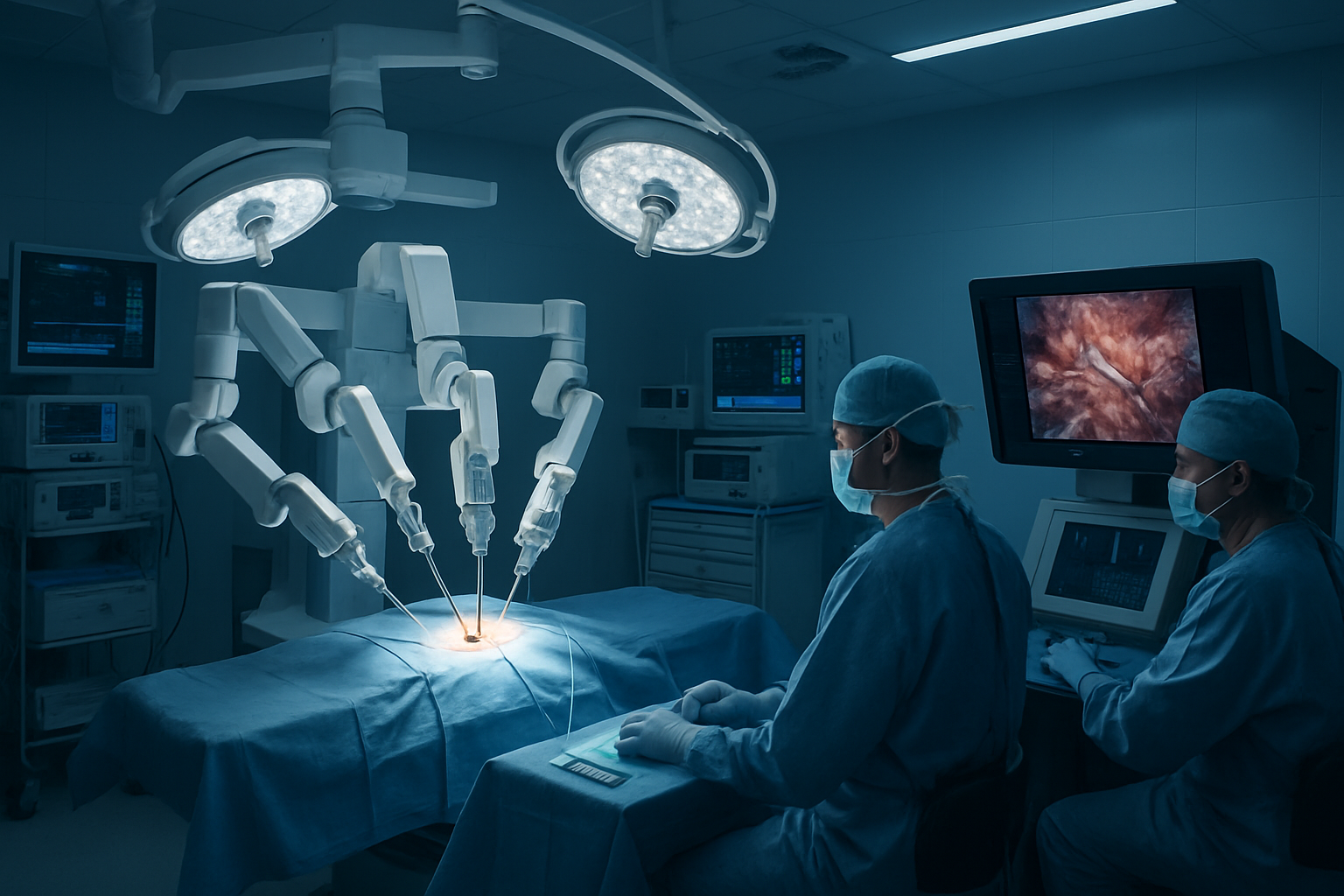
Bosnia and Herzegovina has made history by performing its first robot-assisted minimally invasive surgeries at the Clinical Center University of Sarajevo (KCUS), marking a pivotal moment in the country's healthcare modernization and the broader "Therapeutic Revolution of 2026."
The groundbreaking procedures included a urological prostate operation and an abdominal surgery, both representing significant technological leaps forward for medical care in the Balkans. The milestone was achieved through an innovative collaboration with Belgium's Azorg Hospital in Aalst, demonstrating the power of international medical cooperation in advancing healthcare capabilities globally.
International Expertise Drives Innovation
Leading the collaborative effort were Professor Dr. Alexandre Mottrie, founder of the ORSI Academy and a globally recognized expert in robotic surgery, alongside Professor Dr. Jan Colpaert. Their participation underscores the international significance of this achievement and Bosnia Herzegovina's emergence as a regional medical innovation hub.
"This represents a qualitative leap in the development of modern medicine in our country"
— KCUS Medical Officials
The procedures were conducted as part of a comprehensive educational initiative designed to train domestic physicians in advanced robotic surgical techniques. This represents the first comprehensive robotic surgery education program organized in Bosnia Herzegovina, with the ambitious goal of making these advanced procedures available to local patients while achieving world-class healthcare standards.
Part of the Global Therapeutic Revolution
This milestone occurs within the broader context of the "Therapeutic Revolution of 2026," a global healthcare transformation characterized by prevention-first strategies, sophisticated technology integration, and unprecedented international cooperation. The Bosnian achievement joins a constellation of medical breakthroughs worldwide, from China's brain-computer interfaces to Finland's laser brain tumor treatments.
According to medical analysts tracking global healthcare trends, countries implementing comprehensive medical innovation programs report measurable benefits extending far beyond immediate patient care. These include enhanced community resilience, reduced emergency care demands, and superior population health outcomes compared to traditional reactive treatment models.
Technology Meets Human-Centered Care
The robotic surgery program exemplifies the sophisticated balance required in modern healthcare between technological advancement and human-centered care approaches. The technology enables surgeons to perform complex procedures with unprecedented precision while maintaining the essential human element of medical decision-making and patient care.
This approach deliberately avoids what medical experts term the "wellness paradox," where technological solutions inadvertently create healthcare inequality rather than improving access and outcomes for diverse populations. The Bosnia Herzegovina model ensures that advanced medical technologies benefit communities regardless of geographic or economic constraints.
Economic and Strategic Implications
The introduction of robotic surgery capabilities positions Bosnia Herzegovina as an emerging regional medical destination, with significant economic implications. Medical tourism potential, reduced dependency on international medical referrals, and enhanced healthcare sovereignty represent substantial long-term benefits for the country.
Prevention-focused healthcare strategies, which include advanced surgical capabilities that reduce recovery times and complications, demonstrate superior cost-effectiveness through decreased crisis interventions. Countries implementing such comprehensive approaches report improvements not only in healthcare outcomes but also in workforce productivity, educational achievement, and social stability.
International Cooperation Model
The partnership with Belgium's Azorg Hospital represents an evolution in international healthcare cooperation. Despite funding challenges facing traditional multilateral health organizations, bilateral partnerships and peer-to-peer knowledge sharing networks continue driving medical innovation globally.
This distributed cooperation model allows for flexible, culturally responsive approaches while maintaining evidence-based medical standards. The success of initiatives like Bosnia's robotic surgery program exemplifies how direct international cooperation can accelerate medical advancement and technology transfer, benefiting patients worldwide.
Implementation and Training Challenges
The successful implementation of robotic surgery requires addressing several critical factors: specialized training programs for medical professionals, advanced imaging technologies, comprehensive post-operative care protocols, and sustained international cooperation for standardized procedures.
The educational component of the program includes live surgical demonstrations transmitted from operating rooms, enabling direct knowledge exchange between domestic and international experts. This innovative approach accelerates the learning process while ensuring the highest safety standards for patients.
Future Prospects and Regional Impact
The achievement transforms life trajectories for patients with complex medical conditions who previously required treatment abroad or faced limited options. It opens new research avenues for minimally invasive approaches and positions Bosnia Herzegovina at the forefront of advanced medical procedures in Southeast Europe.
The success serves as a template for other nations seeking to modernize their healthcare capabilities through international cooperation and strategic investment in medical technology. It demonstrates that sustained political commitment, adequate resource allocation, and comprehensive professional training can yield transformative results.
Climate and Global Health Context
This healthcare transformation occurs during a period of unprecedented environmental challenges, with global temperatures exceeding critical thresholds for consecutive months. Prevention-first approaches, including advanced surgical capabilities that reduce recovery times and complications, prove particularly valuable for managing evolving health challenges through proactive intervention rather than reactive crisis management.
The robotic surgery program represents a critical component of building resilient healthcare systems capable of addressing 21st-century challenges through coordinated international action, technological innovation, and human-centered care principles.
Looking Ahead
April 2026 represents a critical juncture in global healthcare evolution, with evidence-based innovations successfully translating into accessible, effective treatments. The convergence of precision medicine advances, international cooperation models, and prevention-focused strategies provides a foundation for resilient healthcare systems addressing complex modern health challenges.
The success of Bosnia Herzegovina's robotic surgery program depends on continued collaboration between healthcare institutions, sustained investment in medical education, and the maintenance of international partnerships that have made this achievement possible. As the Therapeutic Revolution of 2026 continues, such collaborative efforts serve as beacons for what can be accomplished when nations work together to advance human health and medical capability.
This milestone demonstrates that medical excellence knows no borders, and that through thoughtful international cooperation and strategic investment, countries can rapidly advance their healthcare capabilities to serve their populations with world-class medical care.