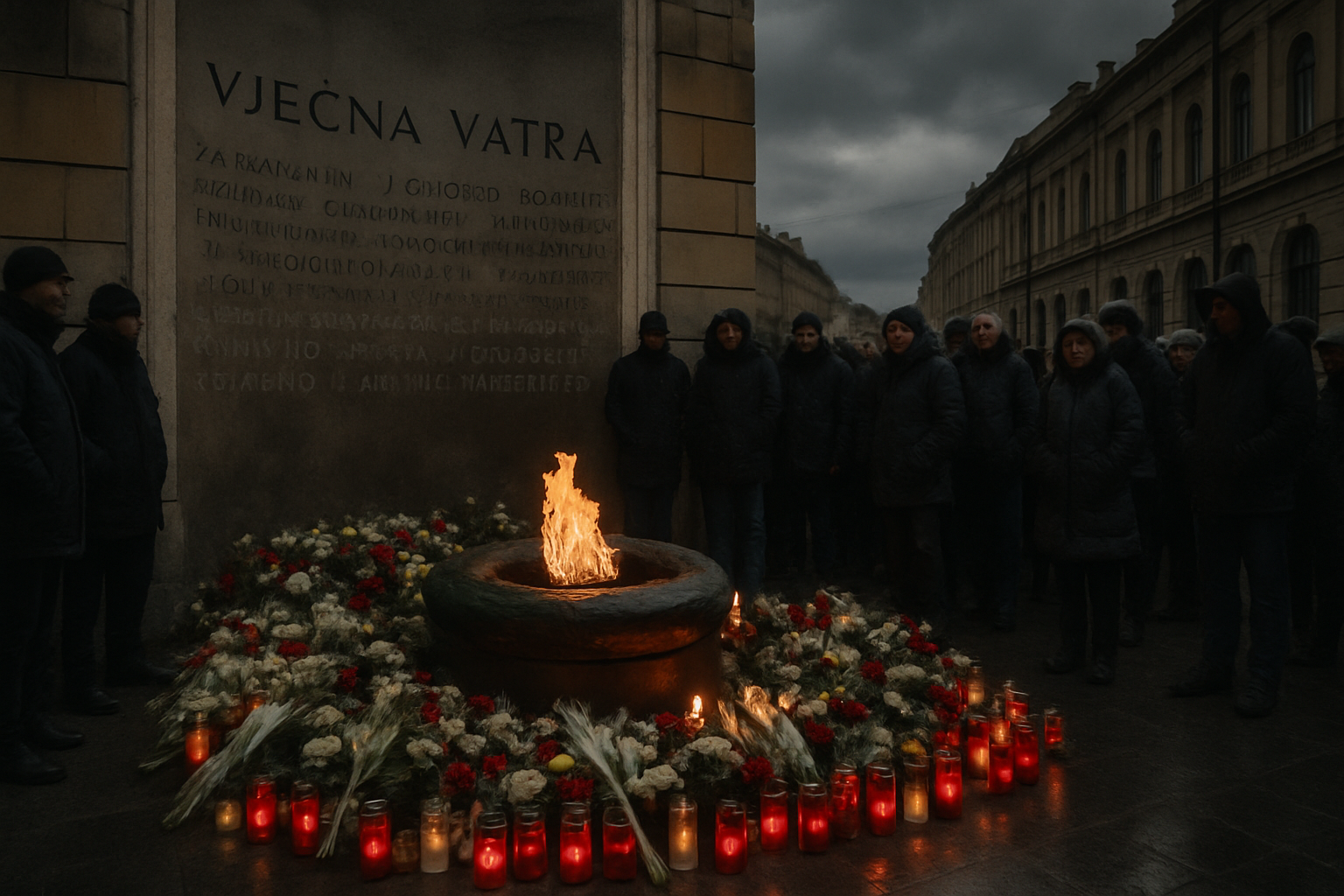
On April 5, 2026, Bosnia and Herzegovina solemnly commemorated the 34th anniversary of the beginning of the Siege of Sarajevo, marking one of the most tragic chapters in European history that would last 1,425 days of terror, survival, and unprecedented human resilience.
The siege began on April 5, 1992, when Serbian forces surrounded the capital of Bosnia and Herzegovina, cutting off the city of approximately 350,000 residents from the outside world. What followed was nearly four years of systematic bombardment, sniper attacks, and humanitarian blockade that would become the longest siege of a capital city in modern warfare history, lasting until February 29, 1996.
The Human Cost of Survival
According to official records, 11,541 citizens of Sarajevo lost their lives during the siege, including more than 1,600 children. Post-war research reveals that nearly four-fifths of these casualties occurred in the first two years of the conflict, highlighting the intense brutality of the early siege period.
The civilian population faced daily mortar and sniper fire from positions established on the surrounding hills by forces of the former Yugoslav People's Army (JNA) and later the Army of Republika Srpska. Hospitals, schools, markets, and residential areas became deliberate targets, violating fundamental principles of international humanitarian law.
"The defenders, mostly citizens who answered the call for defense, stood nearly empty-handed in sneakers and jeans with minimal weapons on the city's ramparts."
— Contemporary account from siege archives
The city's survival depended on the extraordinary courage of ordinary citizens who transformed into defenders overnight. With minimal military equipment and facing overwhelming odds, Sarajevans organized one of the most remarkable urban resistance efforts in modern history.
Life Under Siege: Daily Terror and Resilience
The siege created a humanitarian catastrophe of unprecedented proportions in post-war Europe. Citizens faced constant threats from sniper fire while attempting basic activities like collecting water or crossing streets. The famous Sniper Alley became a symbol of the daily terror, where residents risked their lives to maintain some semblance of normal life.
Food, water, electricity, and heating became scarce commodities. Sarajevans dug tunnels, created underground networks, and developed ingenious survival strategies. The Sarajevo Tunnel, later known as the "Tunnel of Hope," became a lifeline connecting the besieged city to the outside world.
Despite the constant danger, cultural life continued underground. Theaters, schools, and media outlets operated in basements and shelters, demonstrating the indomitable spirit of Sarajevo's multicultural society. The siege became not just a military conflict but a struggle to preserve civilization itself.
International Response and Historical Context
The Siege of Sarajevo occurred during the broader Yugoslav Wars that followed the dissolution of Yugoslavia. The international community's response was marked by prolonged diplomatic efforts, humanitarian aid operations, and eventually military intervention through NATO airstrikes in 1995.
The siege ended as part of the Dayton Agreement signed in December 1995, which established the current constitutional structure of Bosnia and Herzegovina. However, the psychological and physical scars of the siege continue to influence the country's development and European integration process.
Today's commemorative events reflect ongoing efforts to process this trauma while building democratic institutions. Recent political developments, including protests that led to government resignations following transportation accidents, demonstrate how civic engagement remains central to Bosnia's political culture—a legacy partly rooted in the siege experience of community solidarity and resistance.
Lessons for Contemporary Europe
The 34th anniversary of the Siege of Sarajevo comes at a time when Europe again faces questions about territorial integrity, civilian protection, and international law enforcement. The siege remains a stark reminder of how quickly civilian populations can become targets of systematic violence in modern conflicts.
The international legal precedents established during and after the siege, including the prosecution of war crimes at the International Criminal Tribunal for the former Yugoslavia, continue to influence contemporary approaches to civilian protection and accountability for violations of international humanitarian law.
Bosnia's ongoing European Union accession process represents an attempt to transform the lessons of the siege into democratic development and regional cooperation. Recent political stability challenges and civic movements demonstrate both the progress made and the work still required to fully heal from this historical trauma.
Memorial and Remembrance
Annual commemorations serve multiple purposes: honoring victims, educating new generations, and reinforcing commitments to preventing such tragedies. The day has been institutionalized as an official remembrance, with ceremonies at key memorial sites throughout Sarajevo.
The international community continues to view the Siege of Sarajevo as a defining moment in post-Cold War European history. It demonstrated both the vulnerabilities of civilian populations in modern warfare and the extraordinary capacity for human endurance and solidarity under extreme conditions.
As Bosnia and Herzegovina continues its European integration journey, the memory of the siege serves as both a reminder of the importance of democratic institutions and international cooperation, and a testament to the resilience of multicultural societies facing existential threats.