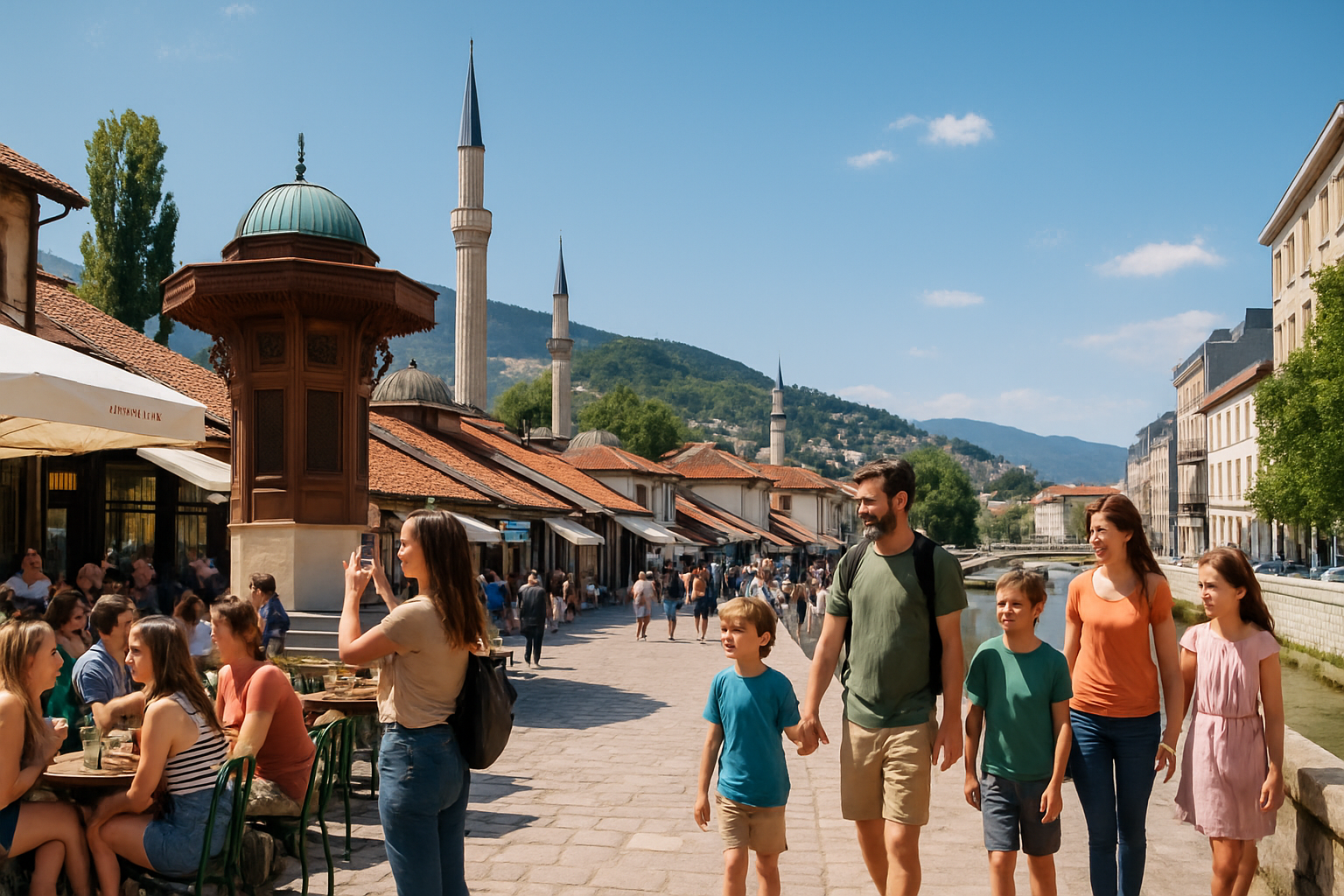
Tourism professionals across Bosnia and Herzegovina are expressing unprecedented optimism for the 2026 season as early booking data reveals a significant surge in international visitor interest, positioning the Balkan nation as a key beneficiary of Europe's evolving travel landscape.
According to industry reports, tourism workers are anticipating a highly successful season driven by increased foreign guest arrivals, with particular enthusiasm surrounding the country's natural beauty and rich cultural-historical sites. Hotels and private accommodation providers are already recording substantial reservation volumes, injecting confidence into a sector that has undergone remarkable transformation in recent years.
Regional Context of Balkan Tourism Recovery
Bosnia and Herzegovina's optimistic outlook comes amid broader recognition of the Balkans as Europe's premier budget travel destination. Time Out magazine recently ranked Bosnia and Herzegovina as the #1 most affordable European destination for 2026, with neighboring Serbia securing the #3 position. This recognition reflects a fundamental industry transformation toward quality-focused strategies that prioritize authentic cultural experiences over traditional Western European premium destinations facing overtourism and rising costs.
The timing of this tourism surge aligns with a global industry recovery that has surpassed pre-pandemic levels, supported by an unprecedented $570 billion infrastructure investment surge worldwide. Generation Z travelers, representing 50% of those making multiple five-day trips annually, are driving demand for AI-integrated travel planning combined with authentic cultural experiences—exactly what the Balkans region offers.
Infrastructure Development Supporting Growth
Bosnia and Herzegovina has been quietly developing sophisticated tourism infrastructure to support this growing demand. The country is part of broader regional integration efforts that are replacing individual destination competition with collaborative marketing and coordinated development strategies. These multi-destination experiences capitalize on the Balkans' shared cultural heritage while maintaining each country's unique identity.
Advanced tunnel construction projects utilizing sophisticated engineering techniques are enhancing regional connectivity and European integration objectives. These infrastructure improvements create permanent operational employment, support tourism development, and attract international investment through diverse financing models including public-private partnerships.
Evolving Travel Preferences Favor Authentic Destinations
The surge in Bosnia and Herzegovina's tourism appeal reflects changing consumer preferences, particularly among younger travelers seeking authentic experiences over standardized tourism products. Malaysia's Kuala Lumpur has seen similar trends with tourists seeking authentic experiences in traditional neighborhoods, representing a Generation Z preference evolution toward genuine cultural engagement.
This shift toward authenticity is supported by technology that enhances rather than replaces cultural discovery. Advanced booking systems and digital platforms enable travelers to discover hidden gems while preserving the spontaneity that makes destinations like Bosnia and Herzegovina particularly appealing to independent travelers.
Economic Multiplier Effects
The tourism optimism in Bosnia and Herzegovina extends far beyond traditional hospitality sectors. Economic multiplier effects include infrastructure improvements, cultural programming enhancement, workforce development, and support for local artisans. The country is positioned to benefit from tourism evolution that generates comprehensive community impacts rather than simple visitor volume increases.
Regional cooperation frameworks established through recent conferences demonstrate how destinations are sharing best practices, coordinating marketing efforts, and creating institutional mechanisms for sustained collaboration. This approach enables smaller destinations like Bosnia and Herzegovina to compete effectively against larger, more established tourism markets.
Sustainable Development Models
Bosnia and Herzegovina's tourism development emphasizes sustainable practices that balance economic objectives with cultural preservation and environmental sustainability. This approach aligns with global trends toward community-focused tourism models that prioritize authentic experiences, competitive pricing, and infrastructure that supports both visitor satisfaction and community well-being.
The success of destinations implementing comprehensive strategies that integrate community development, cultural preservation, and sustainability demonstrates greater resilience and sustainable investment attraction. Countries following these models show enhanced capacity for navigating complex global challenges while maintaining competitive advantages.
Technology Integration and Visitor Management
Modern tourism development in Bosnia and Herzegovina incorporates sophisticated technology from the design phase, including real-time monitoring, predictive maintenance systems, and digital payment infrastructure. However, unlike some destinations that risk losing cultural authenticity through over-digitization, Bosnia and Herzegovina maintains focus on technology as a tool for enhancing genuine cultural experiences.
The country benefits from observing successful models like Rome's Trevi Fountain system, which generates €6 million annually through managed access while preserving heritage sites, and Croatia's deployment of 62 tourist medical clinics representing Europe's most extensive seasonal healthcare network.
Climate Resilience and Future Planning
With January 2026 marking the 18th consecutive month of global temperatures exceeding 1.5°C above pre-industrial levels, climate resilience has become essential for destination competitiveness. Bosnia and Herzegovina's tourism planning incorporates enhanced drainage systems, weather-resistant materials, and backup power infrastructure designed for future rather than historical climate conditions.
The country's mountain and river systems provide natural climate advantages, offering visitors diverse seasonal experiences from winter sports to summer cultural festivals, supporting the development of year-round tourism that reduces dependence on peak-season volumes.
International Cooperation and Market Positioning
Bosnia and Herzegovina's tourism success reflects broader trends toward international cooperation in destination development. The country participates in regional tourism initiatives that provide technical assistance, knowledge sharing, and coordinated procurement to address supply chain disruptions while maintaining quality control standards.
The emphasis on authentic cultural experiences, combined with competitive pricing and improving infrastructure, positions Bosnia and Herzegovina to capture increased market share as travelers seek alternatives to overcrowded and expensive Western European destinations. This positioning strategy has proven effective for similar destinations that have successfully balanced authenticity with modern visitor expectations.
Future Outlook
As Bosnia and Herzegovina enters the 2026 tourism season with record early bookings and industry optimism, the country exemplifies successful adaptation to evolving travel markets. The combination of authentic cultural offerings, competitive pricing, improving infrastructure, and strategic regional cooperation creates a foundation for sustainable tourism growth.
The current developments suggest Bosnia and Herzegovina is well-positioned to benefit from the global tourism industry's evolution toward mature, sophisticated destination management that emphasizes quality over volume, authenticity over standardization, and sustainability over short-term gains. This transformation establishes the country as a competitive destination for decades ahead while maintaining the cultural authenticity and environmental integrity that attract discerning international travelers.
The success factors consistently emerging across global tourism—cultural authenticity preservation, enhanced visitor experiences through strategic infrastructure, meaningful community involvement, and international cooperation—align perfectly with Bosnia and Herzegovina's development approach. This convergence suggests the country's tourism optimism for 2026 reflects not just seasonal opportunity but a sustainable transformation that will define its competitiveness in the global travel marketplace.