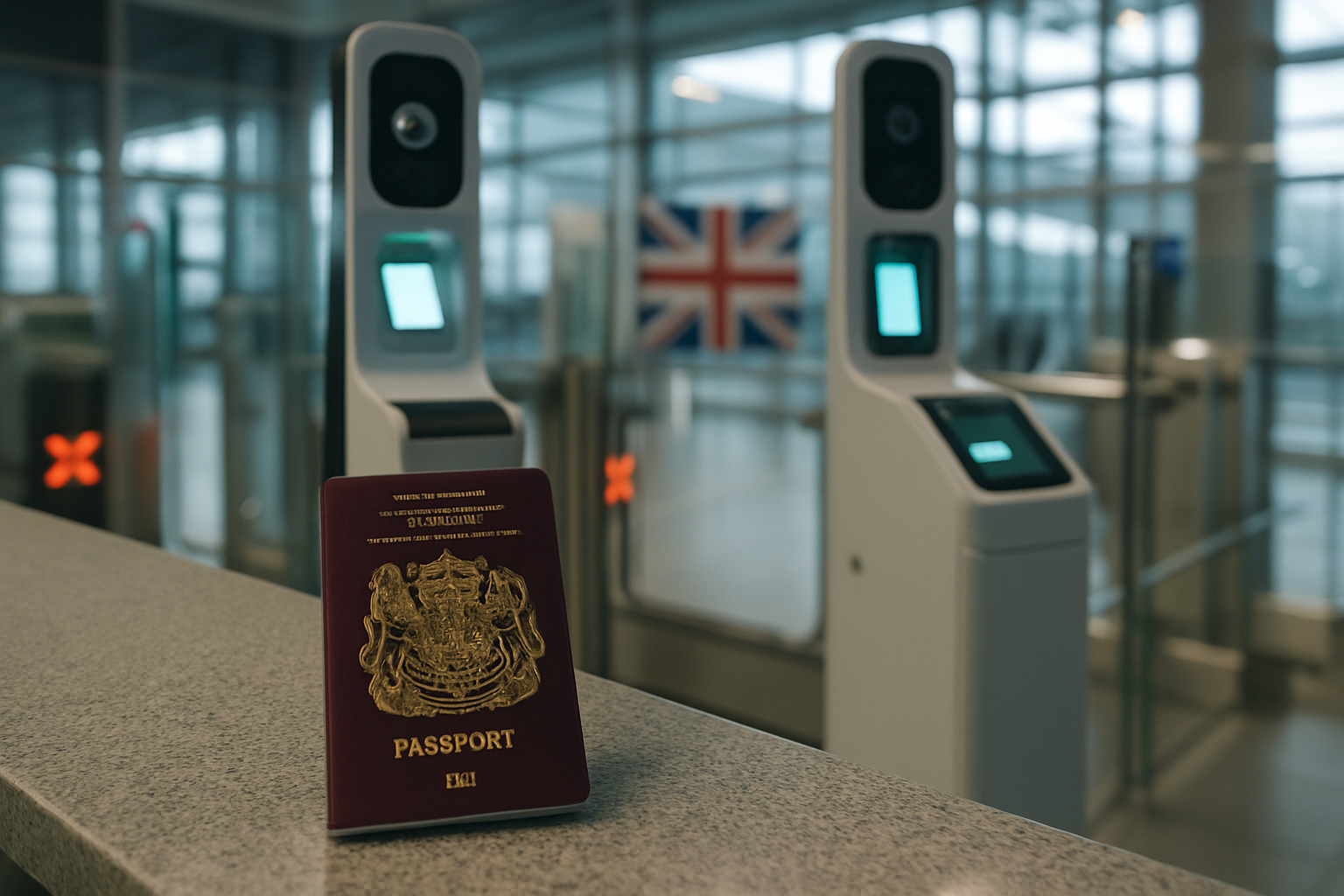
New UK passport requirements for dual citizens are creating significant challenges for travelers as Britain's border control system adapts to comprehensive digitization, prompting widespread criticism of bureaucratic barriers and costly fees for British citizens exercising their right to enter the country.
The controversial policy changes, which took effect February 25, 2026, require British dual nationals to present their British passports for entry into the UK or pay £589 for a "certificate of entitlement" to enter using non-British travel documents. This represents part of a broader immigration system overhaul toward complete electronic visa processing.
Digital Transformation of Immigration System
The new rules form part of the UK's comprehensive shift to electronic visas (eVisas), replacing physical visa vignettes entirely. All foreign nationals must now use eVisas exclusively, marking a fundamental transformation in how Britain processes immigration and border control.
The policy caught many dual nationals by surprise, creating a passport renewal scramble across UK embassies and consulates worldwide. British citizens living abroad reported weeks-long waits for appointments and processing, with some facing travel disruptions due to expired or soon-to-expire passports.
"This is a scandalous and unacceptable policy that penalizes British citizens for holding dual nationality,"
— Legal experts responding to the policy changes
Critics argue the implementation timeline created unnecessary hardship for legitimate travelers who were given insufficient notice to renew their British passports or obtain the required documentation.
Controversial Certificate Fees
The £589 fee for certificates of entitlement has drawn particular criticism from legal experts and dual nationals' rights advocates. Many argue that imposing fees on British citizens exercising their fundamental right to enter their own country violates basic citizenship principles.
The certificate system was designed as an alternative for dual nationals who need to travel urgently using non-British passports. However, the high cost and complex application process have led many to consider more drastic measures, including renouncing their British citizenship to avoid the bureaucratic burden.
Immigration lawyers report an increase in inquiries about citizenship renunciation, particularly from British nationals living permanently abroad who maintain citizenship primarily for travel convenience and family connections.
International Travel Complications
The policy has created particular difficulties for business travelers, families with mixed nationalities, and British nationals who rely on visa-free travel arrangements that their other passports provide. Many dual nationals previously used non-British passports for convenience when traveling to countries that offered better visa arrangements.
European Union members with British citizenship report confusion at EU borders, where immigration officials must now verify their status differently than other EU nationals. This has led to longer processing times and occasional misunderstandings about travel rights.

Government Defense of Modernization
Government officials defend the changes as necessary modernization of Britain's immigration system, arguing that digital processing will improve security and efficiency. They emphasize that the policy aims to prevent abuse of the immigration system while ensuring legitimate British citizens retain their rights.
The Home Office maintains that advance notice was provided through official channels, and that British passport renewal services have been enhanced to accommodate increased demand. Officials also point to improved processing times for digital applications as evidence of the system's benefits.
Immigration Minister statements emphasize the policy's role in creating a "world-class" border system that leverages technology to strengthen security while facilitating legitimate travel.
Legal Challenges Expected
Constitutional law experts are examining potential legal challenges to the policy, particularly regarding the imposition of fees on British citizens entering their own country. Questions arise about whether the charges violate fundamental rights associated with citizenship.
Legal advocacy groups are preparing court challenges focused on the constitutional principle that citizens should not pay fees to exercise basic citizenship rights. The cases may test the limits of government authority to regulate entry by its own nationals.
European human rights law may also provide grounds for challenge, particularly regarding the right to enter one's own country and prohibitions on discrimination based on nationality status.
Impact on British Diaspora
The policy particularly affects Britain's large diaspora, estimated at over 5 million British nationals living abroad. Many maintain dual citizenship for practical reasons, including ease of travel, employment rights, and family connections in both countries.
British communities in popular expatriate destinations like Spain, France, Australia, and Canada report widespread concern about the changes. Some describe feeling penalized for maintaining connections to Britain while building lives elsewhere.
The policy has prompted discussions within diaspora communities about the practical value of maintaining British citizenship versus the increasing bureaucratic costs and complications.
Border Control in Digital Age Context
The UK's passport policy changes reflect broader global trends toward digital border management and biometric identity verification. Countries worldwide are implementing similar technological solutions to address security concerns and processing efficiency.
However, Britain's approach of combining digital transformation with fees for citizenship services has drawn criticism as unnecessarily punitive. Other nations implementing digital systems have generally avoided charging citizens for exercising fundamental rights.
The controversy highlights the challenge of balancing security improvements with accessibility for legitimate travelers, particularly in an era of increasing mobility and dual nationality.
Economic and Social Implications
Beyond individual inconvenience, the policy may have broader economic implications for UK tourism and business travel. Complex entry requirements could deter visits from dual nationals who contribute to the economy through tourism, family visits, and business activities.
Universities and businesses report concerns about the impact on international engagement, particularly with British nationals abroad who serve as cultural and economic bridges between the UK and their countries of residence.
The policy also affects family reunification, with British nationals abroad reporting difficulties planning visits home, particularly for elderly relatives or family emergencies where immediate travel is required.
Looking Forward
As the policy enters its implementation phase, the government faces pressure to address practical concerns while maintaining its digitization objectives. Potential modifications could include reduced fees, longer transition periods, or enhanced embassy services to support passport renewals.
The controversy reflects broader questions about citizenship rights in an increasingly digital and security-conscious world. How nations balance legitimate security concerns with accessibility for their own citizens will likely influence immigration policy development globally.
The success or failure of Britain's approach may serve as a case study for other countries considering similar digital transformations, particularly regarding the balance between technological efficiency and citizenship rights protection.
For now, dual nationals must navigate the new system while legal challenges proceed through the courts. The ultimate resolution will likely have lasting implications for how democratic nations manage border security while respecting the fundamental rights of their citizens in an interconnected world.