British citizens traveling to Europe and Cyprus now face a fundamentally transformed travel landscape as new post-Brexit documentation requirements take effect, creating unprecedented challenges for dual nationals and forcing millions to navigate complex new rules that mark the complete end of freedom of movement privileges.
The implementation of the UK's Electronic Travel Authorization (ETA) system on February 25, 2026, represents the final milestone in Britain's departure from European travel integration, affecting 85 countries and creating what experts describe as the most significant change to British travel patterns in decades.
Dual Nationality Complications Create Travel Crisis
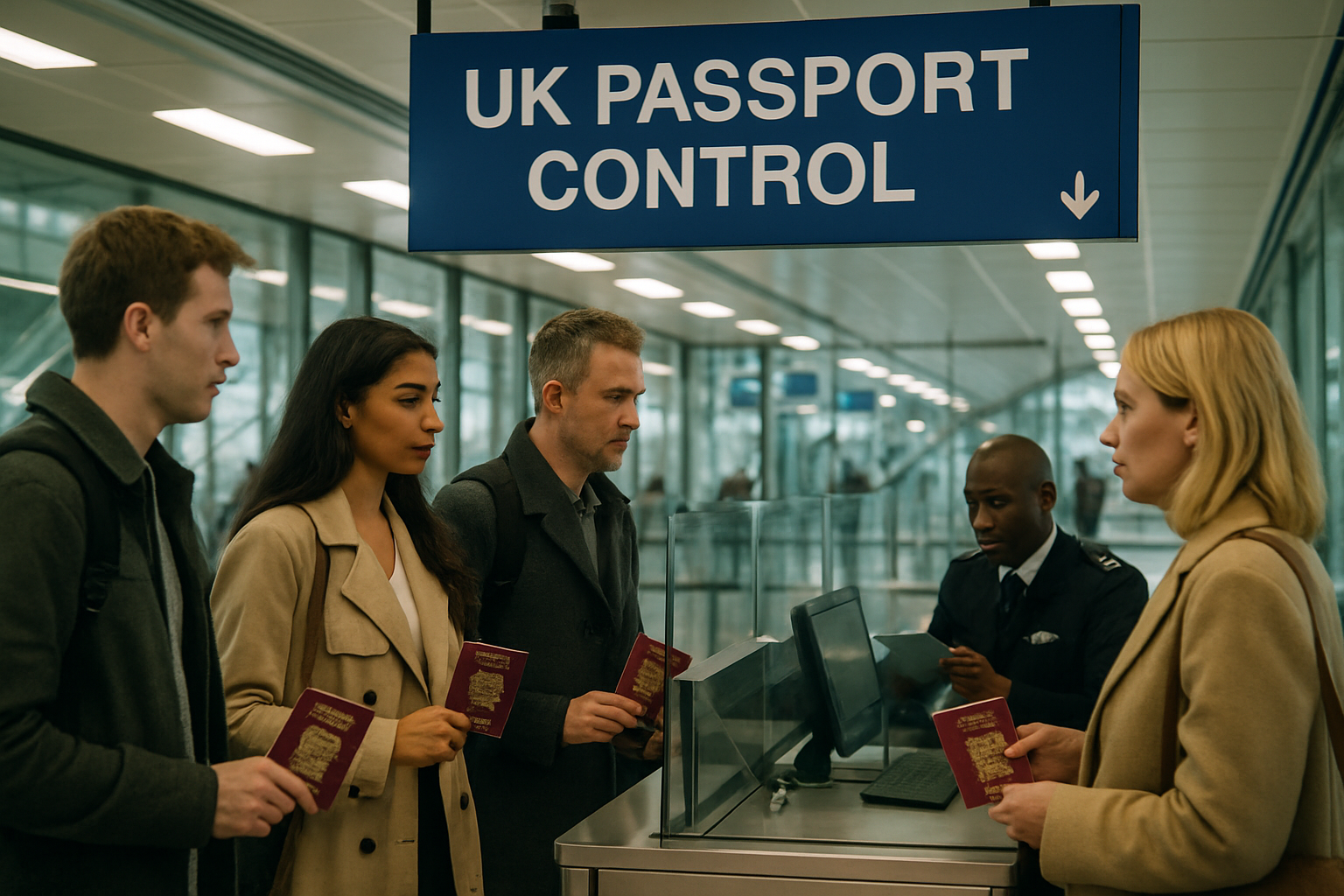
British dual nationals are experiencing the most severe impact from the new regulations, with Cyprus leading international efforts to clarify the complex requirements. The Cypriot High Commission in London announced that dual British-Cypriot citizens must now use valid British passports when entering the United Kingdom, ending decades of flexibility that previously allowed entry on non-British documents.
"The UK government allows dual nationality, but officials stress that any travel to Britain must be on a UK passport," according to official guidance from Cyprus authorities. This represents a fundamental shift from previous enforcement practices where dual nationals could enter Britain using their secondary nationality documents due to limited border control enforcement.
The Electronic Travel Authorization scheme, requiring all visitors without visa requirements to purchase a pre-travel permit online at a cost of £16, has created particular complications for dual nationals who attempt to use ETAs with non-British passports. Those declaring themselves British while using foreign travel documents would be unable to proceed, while misrepresenting nationality carries serious legal consequences.
Global Implementation Creates Widespread Disruption
The new documentation requirements extend far beyond Europe, with countries worldwide scrambling to advise their citizens on the changing landscape. Dutch authorities have issued urgent warnings to British dual nationals in the Netherlands to ensure their British passports remain current, highlighting the international scope of the changes.
Australian dual citizens face particular challenges, with reports indicating "chaos" as the decision affects thousands of Australians holding British nationality. The requirement for valid British or Irish passports to enter the UK has caught many dual nationals unprepared, leading to emergency passport renewal requests at embassies worldwide.
Pakistan has simultaneously introduced its own travel innovations, implementing electronic visas for UK travel to replace traditional physical visa stickers. The British High Commission confirmed that Pakistani visitors can now receive digital immigration status confirmation via email, representing a parallel shift toward electronic documentation systems.
Historical Context and Brexit's Travel Legacy
These changes represent the culmination of Britain's post-Brexit immigration strategy, with the country moving toward a completely digital border control system while ending the remnants of European integration. The implementation comes after years of transition periods that provided temporary flexibility for travelers adjusting to new requirements.
The transformation particularly affects the estimated 5 million British citizens living abroad, many of whom are considering renouncing their British citizenship due to the bureaucratic burden and costs associated with maintaining compliance with the new rules. Legal experts are preparing constitutional challenges regarding fees imposed on citizens exercising their fundamental right to enter their own country.
For non-British nationals, the requirement to pay £16 for Electronic Travel Authorization represents the complete end of freedom of movement privileges that Europeans enjoyed for decades. German nationals, for instance, must now pay for British entry authorization, fundamentally altering the relationship between the UK and its former EU partners.
Economic and Social Implications
The tourism industry faces significant challenges as the new requirements create psychological barriers to spontaneous European travel to Britain. Business travel has been disrupted by advance planning requirements that conflict with urgent commercial needs, potentially influencing international business relationships and conference planning.
European media coverage across France, Germany, Italy, Spain, and Belgium indicates widespread concern about travel pattern disruption, with the policy catching many European travelers unprepared and creating documentation scrambles at airports and border crossings.
The implementation has created uneven enforcement across entry points, leading to traveler uncertainty about specific requirements and processing times. This inconsistency has prompted calls for standardized procedures and improved communication between British immigration authorities and international partners.
Digital Transformation Challenges
The shift toward digital-first border control requires internet access and technological literacy, creating barriers for some travelers while potentially streamlining processes for others. Border control technology must now process increased documentation volumes while maintaining passenger flow efficiency, testing infrastructure capabilities at major airports and ports.
The technical challenges are particularly acute during high-volume travel periods, with concerns about processing delays during peak tourism seasons. European Commission officials have noted similar challenges with their own Entry/Exit System, suggesting that digital border management faces industry-wide implementation difficulties.
International Relations and Reciprocal Measures
The success or failure of Britain's digital border control system will significantly influence international travel policy development globally. EU officials are monitoring the British approach for potential reciprocal measures, with some suggesting that successful implementation could lead to similar restrictions on British citizens traveling to European destinations.
The policy creates new barriers between Britain and the European continent that could reshape travel patterns for decades, establishing precedents for other nations considering digital border control measures. The balance between security objectives and legitimate travel facilitation has become a central consideration in evaluating the system's effectiveness.
Future Implications and Adaptations
As the new system becomes operational, travelers are adapting their planning approaches to accommodate advance authorization requirements and digital processing times. The travel industry is developing new services to assist customers with ETA applications and documentation compliance, while diplomatic missions worldwide are enhancing passport renewal capabilities.
The transformation represents a crucial test of modern democratic nations' ability to balance border security with citizenship rights protection in the digital age. Legal challenges are expected to focus on constitutional citizenship rights, European human rights law regarding the right to enter one's own country, and prohibitions on nationality-based discrimination.
The resolution of these challenges will establish important precedents for how democratic nations manage the intersection of technological efficiency with accessibility, determining whether digital border management can successfully serve security goals while preserving fundamental travel rights for citizens and legitimate visitors.
For millions of British citizens and European travelers, February 25, 2026, marks not just a policy implementation date, but a fundamental shift in how international travel between Britain and Europe will function for the foreseeable future, ending an era of seamless movement and beginning a new chapter of managed, digital-first border control.