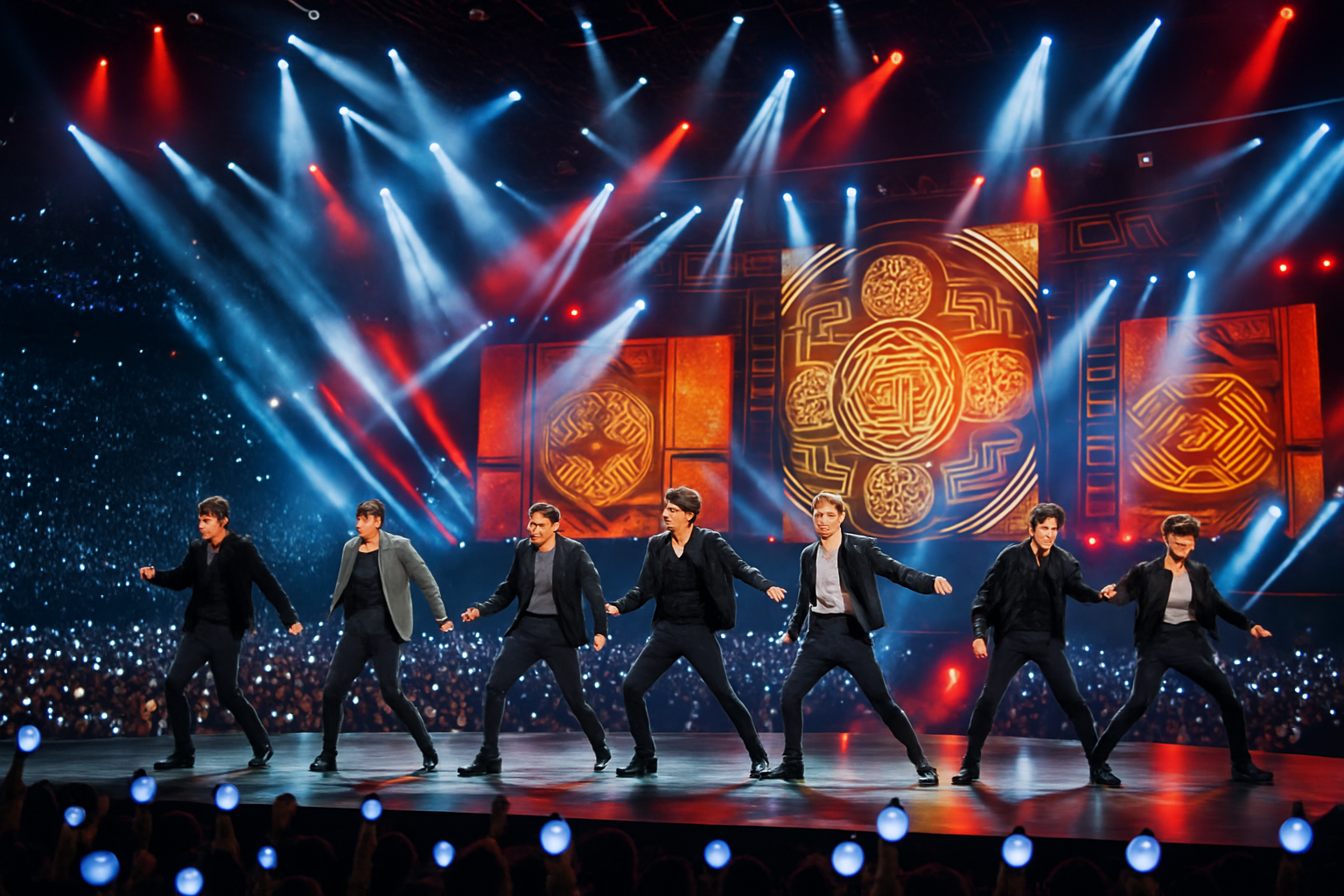
Global superstars BTS have officially returned to the music scene with their highly anticipated comeback, releasing new teasers and confirming major television appearances, while the broader K-pop industry grapples with significant challenges ranging from fan-driven protests to internal group conflicts that threaten to reshape the landscape of Korean entertainment.
The seven-member group—comprising RM, Jin, Suga, J-Hope, Jimin, V, and Jungkook—is set to stage their first full collective performance in nearly three and a half years, marking a triumphant return following their mandatory military service completion. The comeback represents not just a return to music, but a cultural phenomenon that has transformed Seoul into what observers are calling "BTS City."
The Arirang Album: Cultural Heritage Meets Global Appeal
BTS's new album "Arirang" takes its name from the traditional Korean folk song, signaling the group's intention to explore their cultural roots while maintaining their global appeal. The lead single "Swim" has already generated massive anticipation, with the group releasing a second music video teaser that has sent fans worldwide into a frenzy.
The album represents a sophisticated evolution in BTS's artistic approach, incorporating Korean cultural heritage with contemporary sounds. This strategic positioning occurs during what cultural analysts have termed the "February 2026 Cultural Renaissance," a period characterized by unprecedented global cultural activity and international artistic collaboration.
"This comeback is more than just music—it's about demonstrating how authentic cultural expression can achieve global resonance without compromising local identity."
— Music Industry Analyst, quoted in South China Morning Post
Historic Free Concert and Global Media Blitz
The group will stage a free comeback performance in front of 22,000 fans, representing one of the largest free concerts in Korean entertainment history. The scale of the event reflects both the group's massive global following and their commitment to giving back to the fanbase that supported them during their hiatus.
BTS has also confirmed their appearance on "The Tonight Show Starring Jimmy Fallon," marking their return to major American television and signaling their intent to reclaim their position at the forefront of global pop culture. The announcement coincided with a surprise drone show in New York City, demonstrating the group's sophisticated approach to global marketing and fan engagement.
The Seoul citywide transformation includes coordinated drone shows, landmark displays, and interactive pop-ups, creating what media outlets are calling the "BTS City" concept. This represents a revolutionary integration of entertainment franchises with urban planning and cultural tourism strategies.
K-Pop Industry Under Pressure
While BTS celebrates their return, the broader K-pop industry faces significant challenges that highlight the complex dynamics of fan culture and corporate management. The most dramatic example involves Enhypen, where unhappy fans have taken unprecedented action over member Heeseung's reported departure from the group.
In an extraordinary display of fan activism, supporters disrupted service lines at South Korea's National Pension Fund (NPS) in protest. The pension fund was targeted due to an erroneous social media post claiming NPS was the majority shareholder of Hybe, the parent company of Belift Lab, which manages Enhypen.
This incident demonstrates how misinformation can rapidly escalate into real-world consequences, with government services becoming collateral damage in entertainment industry disputes. The disruption of essential public services by entertainment fans represents a new frontier in the intersection of pop culture and civic life.
The Power and Peril of Fan Engagement
The Enhypen controversy illustrates the double-edged nature of K-pop's intensely engaged fanbase. While passionate fan support has been instrumental in driving the global success of Korean entertainment, it can also create volatile situations when that passion is misdirected or fueled by misinformation.
The incident at the National Pension Fund reveals how quickly entertainment industry conflicts can spill over into unrelated sectors, affecting government services and potentially disrupting essential functions for ordinary citizens who have no connection to the entertainment dispute.

Global Context and Industry Evolution
The current K-pop landscape reflects broader tensions within the global entertainment industry. While Korean entertainment has achieved unprecedented international success, this success has brought new responsibilities and challenges. The industry must navigate between maintaining the authentic cultural elements that made it globally appealing while managing the complex dynamics of international fandom.
BTS's return occurs against a backdrop of significant global cultural shifts. The group's approach of integrating traditional Korean cultural elements with contemporary global sounds represents a mature response to the challenges facing Korean entertainment. Rather than simply pursuing international market share, they are demonstrating how cultural authenticity can be a source of strength rather than limitation.
Southeast Asian Market Challenges
The industry also faces ongoing challenges in key markets, with Southeast Asian resistance campaigns in Malaysia, Indonesia, and Thailand creating complex diplomatic and commercial situations. These challenges highlight the need for more sophisticated approaches to international expansion that go beyond simple content distribution to embrace genuine cultural exchange.
The contrast between BTS's culturally grounded comeback strategy and the more commercially focused approaches that have generated backlash in some markets offers important lessons for the industry's future development.
Technology and Innovation in K-Pop
BTS's comeback demonstrates the industry's continued innovation in combining traditional entertainment with cutting-edge technology. The surprise drone show in New York City and the coordinated Seoul transformation represent new frontiers in entertainment marketing that could influence how major acts approach global promotion.
This technological integration serves multiple purposes: creating spectacular visual experiences for fans, generating social media content that extends the reach of promotional activities, and demonstrating Korean technological capabilities alongside cultural exports.
Economic and Cultural Impact
The economic implications of BTS's return extend far beyond music sales. The transformation of Seoul into "BTS City" represents a new model for cultural tourism that could generate sustained economic benefits for the city and country. Hotel bookings, transportation, merchandise, and related services all benefit from the group's activities.
More broadly, the comeback occurs during a period when Korean cultural exports are being recognized as significant soft power assets. The success of Korean entertainment in global markets has created new opportunities for international collaboration and cultural diplomacy.
Looking Forward: Sustainable Growth vs. Immediate Challenges
The juxtaposition of BTS's triumphant return with the industry's current challenges illustrates the complex dynamics facing Korean entertainment. Success has brought both opportunities and responsibilities that require careful management.
The Enhypen fan protest incident serves as a cautionary tale about the need for better communication strategies and more responsible fan community management. As K-pop groups achieve greater global prominence, their management companies must develop more sophisticated approaches to fan engagement that channel passion constructively.
BTS's focus on cultural authenticity through the "Arirang" concept may point toward a more sustainable model for international success—one that celebrates Korean identity while embracing global collaboration. This approach could help the industry navigate current challenges while building a foundation for continued growth.
The Path Ahead
As BTS prepares for their historic comeback concert and the broader K-pop industry works through its current challenges, the coming months will be crucial in determining the direction of Korean entertainment. The industry's ability to learn from recent controversies while building on its strengths will shape its trajectory for years to come.
The success of BTS's comeback will likely influence how other K-pop acts approach their own international strategies. If the culturally grounded approach of "Arirang" resonates globally, it could encourage other acts to explore similar paths that celebrate Korean heritage while appealing to international audiences.
For the industry as a whole, the current moment represents both a test and an opportunity. The challenges highlighted by the Enhypen controversy and other recent incidents require serious attention and systemic solutions. However, the continued global appetite for Korean entertainment, as demonstrated by the excitement surrounding BTS's return, suggests that the fundamental appeal of K-pop remains strong.
The key will be channeling that appeal in directions that benefit all stakeholders—artists, fans, companies, and the broader Korean cultural ecosystem—while avoiding the pitfalls that have created recent controversies. BTS's comeback may provide a template for how this balance can be achieved, combining authentic cultural expression with responsible global engagement.