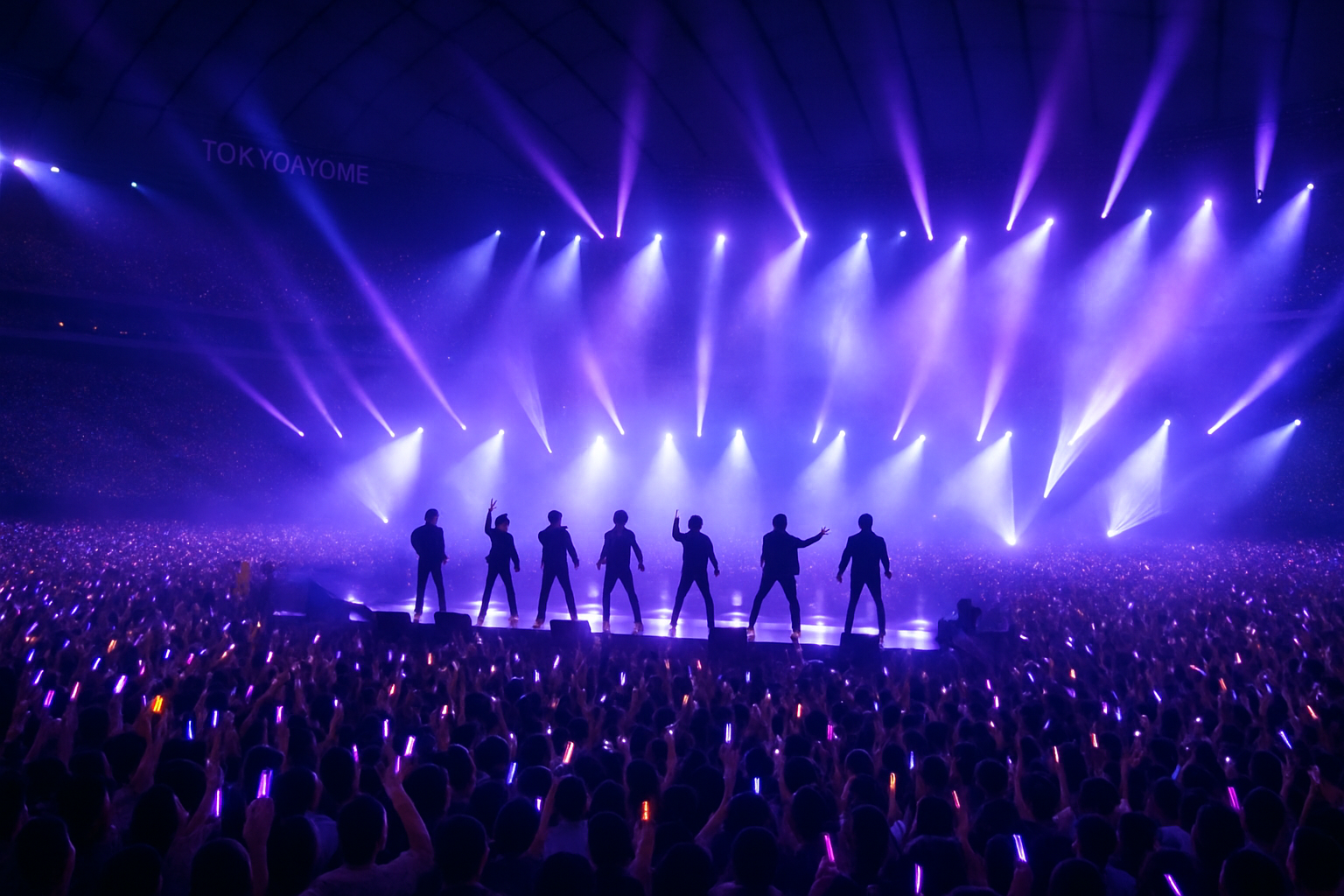
In a deeply emotional and spectacular display of musical artistry, K-pop superstars BTS delivered a triumphant reunion concert at Tokyo Dome, performing classics from "Fire" to "Idol" before tens of thousands of devoted fans who had waited years for this moment.
The concert, part of their groundbreaking "ARIRANG" World Tour, marked BTS's first international performance since completing mandatory military service in South Korea. The seven-member group—RM, Jin, Suga, J-Hope, Jimin, V, and Jungkook—took the stage to thunderous applause and an ocean of colorful ARMY Bomb light sticks that transformed the iconic venue into a constellation of synchronized lights.
A Historic Return After Military Service
This Tokyo performance represents a watershed moment for both BTS and their global fanbase, known as ARMY. The concert follows their historic March 2026 comeback in Seoul, where an estimated 260,000 fans gathered at Gwanghwamuni Square for what became one of the largest entertainment events in Korean history. The Seoul event generated over $500 million in economic impact and saw the city transform into "BTS City" with coordinated displays across major landmarks.
The military service hiatus, which lasted nearly four years, had been a source of both pride and anxiety for fans worldwide. South Korean law requires all able-bodied men to serve approximately 18-24 months in the military, and BTS's decision to fulfill this obligation despite their global superstar status demonstrated their commitment to their homeland and civic duty.
"The energy in Tokyo Dome was unlike anything I've experienced in my 15 years of following K-pop. You could feel the collective relief and joy from both the members and ARMY that we were finally together again."
— Yuki Tanaka, Japanese ARMY member
The "ARIRANG" Cultural Renaissance
The Tokyo concert is part of BTS's ambitious 82-date "ARIRANG" World Tour, which spans 34 cities and includes major Latin American markets such as Mexico City, Bogotá, Lima, Santiago, Buenos Aires, and São Paulo. The tour title references "Arirang," a traditional Korean folk song that symbolizes the group's commitment to celebrating Korean cultural heritage while maintaining global appeal.
This approach aligns with what cultural observers have termed the "February 2026 Cultural Renaissance"—a period marked by authentic cultural expression achieving international commercial success. The "ARIRANG" album topped the Billboard 200 for two consecutive weeks and achieved 99.1 million US streams in its first week, with the lead single "SWIM" reaching 1.5 million streams within the first hour of release.
The album represents a sophisticated collaboration with OneRepublic's Ryan Tedder, who described working on the project as "one of the most crazy things I've ever worked on." This cross-cultural creative partnership exemplifies the group's evolution from entertainers to cultural ambassadors, bridging international divides through authentic artistic expression.
Economic and Cultural Impact
The economic implications of BTS's return extend far beyond concert ticket sales. Hotel occupancy in Tokyo reached capacity weeks in advance, with rates increasing by 300-400%. International charter flights were added specifically for global fans traveling to Japan for the concert. The secondary market for official ARMY Bomb light sticks saw prices surge from $34 to over $300—a 900% increase—due to severe shortages, demonstrating extraordinary fan demand.
Security operations for the tour involve coordination with agencies from over 50 countries, reflecting BTS's recognition as a global cultural institution requiring state-level protection measures. This comprehensive security planning demonstrates how the group has transcended traditional entertainment boundaries to become a diplomatic and cultural force.
A Template for Global Entertainment
BTS's successful comeback provides a template for sustainable international entertainment expansion that celebrates cultural authenticity while achieving global accessibility. Their approach addresses previous Southeast Asian resistance to Korean cultural exports by emphasizing heritage celebration over purely commercial strategies.
The group's partnership with Netflix, which produced the documentary "BTS: The Return" chronicling their military service experiences and creative reunion process, represents the streaming platform's evolution from content aggregator to comprehensive entertainment ecosystem. This model prioritizes artist creative control while democratizing global distribution.
Fan Reactions and Global Response
Social media erupted with emotional tributes from fans worldwide, many of whom had traveled internationally to attend the Tokyo concert. The hashtag #BTSisBack trended globally, with fan-captured videos showing the emotional moments when the group took the stage and performed beloved hits that had been absent from live performances for years.
Many attendees described the concert as cathartic, representing not just the return of their favorite musical act but a symbol of perseverance through challenging times. The COVID-19 pandemic, followed by the military service hiatus, had created the longest gap between BTS and their fans since the group's formation in 2013.
Looking Forward: A New Chapter
The Tokyo Dome concert marks just the beginning of what promises to be one of the most significant entertainment events of 2026. The "ARIRANG" World Tour will continue to Latin America, where BTS will explore new markets and further establish their role as global cultural ambassadors.
Industry experts predict that BTS's approach—combining technological innovation with authentic cultural expression, international collaboration with heritage preservation—will influence how major artists structure global tours and cultural exchange in an increasingly interconnected world.
As the lights dimmed on Tokyo Dome and thousands of fans reluctantly made their way to the exits, the overwhelming sentiment was clear: this wasn't just a concert, but a celebration of resilience, cultural pride, and the unbreakable bond between artists and their global community. After years of separation, BTS and ARMY are truly reunited, stronger than ever and ready to write the next chapter of their remarkable cultural legacy.