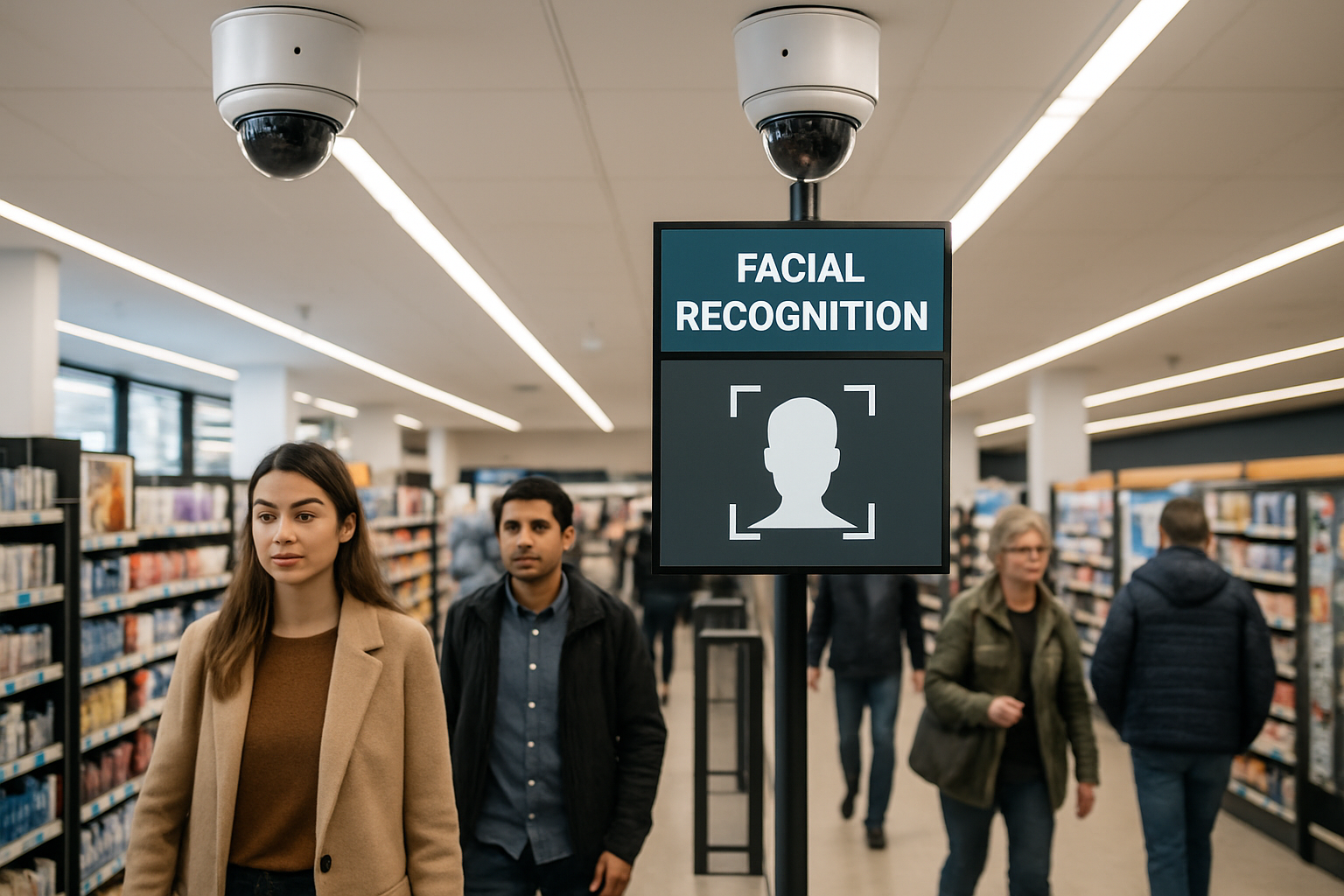
Bunnings, Australia's largest hardware retailer, has implemented facial recognition technology across all its stores nationwide, marking one of the most significant deployments of biometric surveillance in the country's retail sector.
The technology was specifically designed to provide proactive warnings when serious repeat offenders enter a store, according to company statements released March 6, 2026. The system represents a major escalation in retail security measures as businesses grapple with rising theft rates and security challenges across the country.
Technology Implementation and Scope
The facial recognition system operates by scanning customers' faces as they enter Bunnings stores and comparing them against a database of known offenders. When the system identifies a match, it automatically alerts store security personnel to take appropriate action. The technology is now operational across Bunnings' entire Australian network of over 280 stores.
Industry experts note that this implementation represents one of the largest retail surveillance deployments in Australian history, affecting millions of customers who visit Bunnings stores annually. The system joins a growing trend of retailers adopting advanced security technologies to protect their operations and merchandise.
Rising Retail Crime Driving Technology Adoption
The deployment comes amid mounting concerns about retail crime across Australia. Recent industry reports indicate that theft losses have increased significantly, with repeat offenders representing a disproportionate share of incidents. Traditional security measures, including CCTV cameras and security guards, have proven insufficient to deter persistent offenders who often target multiple locations.
Bunnings' decision reflects broader challenges facing the retail sector globally. Memory from previous retail security implementations shows that surveillance technology adoption has accelerated significantly in recent years, with companies investing heavily in digital security infrastructure despite rising costs.
"The technology was intended to provide proactive warnings when serious repeat offenders entered a store."
— Bunnings Statement
Privacy and Civil Rights Implications
The implementation has sparked immediate concerns among privacy advocates and civil rights groups. Unlike traditional CCTV systems that record activity for later review, facial recognition technology actively identifies individuals in real-time, creating new categories of privacy concerns.
Legal experts point to the absence of explicit customer consent for biometric data collection, raising questions about compliance with Australian privacy laws. The Office of the Australian Information Commissioner has previously expressed concerns about retail facial recognition systems, particularly regarding data storage, sharing practices, and the rights of individuals incorrectly identified by the technology.
Consumer advocacy groups argue that customers should be clearly informed about biometric data collection and have the right to opt out of such systems while still accessing essential retail services. The debate reflects broader global tensions between security needs and privacy rights in an increasingly digital retail environment.
Global Context: Retail Technology Revolution
Bunnings' deployment occurs within a broader transformation of retail technology worldwide. The global retail technology sector has experienced unprecedented growth, with companies investing billions in security, artificial intelligence, and customer analytics systems.
Memory from recent technology developments shows that retailers globally are adopting increasingly sophisticated surveillance systems. However, implementation has been uneven, with some regions embracing the technology while others impose strict regulatory limitations on biometric data collection.
The semiconductor crisis affecting Samsung, SK Hynix, and Micron has paradoxically accelerated adoption of practical security solutions, as retailers seek efficient systems that deliver immediate security benefits without requiring extensive infrastructure investments.
Technical Capabilities and Limitations
Modern facial recognition systems used in retail environments typically achieve accuracy rates of 95-99% under optimal conditions. However, performance can degrade significantly due to factors including lighting conditions, camera angles, facial coverings, and changes in appearance over time.
The technology raises particular concerns about false positives, where innocent customers may be incorrectly identified as known offenders. Such incidents can lead to embarrassing confrontations, wrongful detention, and potential legal liability for retailers. Industry best practices emphasize the importance of human verification before taking any enforcement action based on algorithmic identification.
Data security represents another critical challenge. Biometric databases containing facial recognition data are extremely sensitive and require robust cybersecurity measures to prevent unauthorized access or data breaches. Recent global cybersecurity incidents have highlighted the vulnerabilities of centralized data repositories.
Regulatory Environment and Compliance
Australia's regulatory framework for facial recognition technology remains in development, creating uncertainty for both retailers and consumers. The Privacy Act 1988 provides some protections, but it was written before the widespread adoption of biometric surveillance systems.
European Union regulations have established stricter requirements for biometric data processing, including explicit consent requirements and data minimization principles. Some Australian privacy advocates are calling for similar protections to be implemented locally.
The Australian Human Rights Commission has previously warned that facial recognition systems can create discriminatory impacts, particularly affecting minority communities who may be disproportionately represented in criminal databases used to train these systems.
Industry Response and Competitive Implications
Bunnings' implementation is likely to influence security practices across Australia's retail sector. Competitors may feel pressure to adopt similar technologies to avoid being at a disadvantage in loss prevention, while others may differentiate themselves by emphasizing privacy protection and customer choice.
The hardware retail sector, in particular, faces unique security challenges due to the high value and portability of many products. Power tools, hardware, and building materials represent attractive targets for organized retail crime, making security investments particularly valuable for companies like Bunnings.
Industry analysts suggest that the success or failure of Bunnings' facial recognition deployment will significantly influence adoption decisions by other major Australian retailers in the coming months.
Future Implications for Australian Retail
The Bunnings facial recognition deployment represents a potential turning point for retail surveillance in Australia. If successful in reducing theft without generating significant customer backlash, it may accelerate adoption across other retail categories.
However, the implementation also raises fundamental questions about the future of retail shopping experiences. Customers may increasingly expect transparency about surveillance systems and have greater concerns about how their biometric data is collected, stored, and used.
The technology's effectiveness will ultimately be measured not only by its impact on theft reduction but also by its effect on customer experience, brand reputation, and regulatory compliance. Early results from the deployment will be closely watched by retailers, privacy advocates, and policymakers alike.
Looking Ahead
As Bunnings becomes the first major Australian retailer to implement comprehensive facial recognition technology, the deployment will serve as a critical test case for the balance between retail security needs and consumer privacy rights. The outcome may shape regulatory approaches and industry practices for years to come.
The broader retail technology sector continues to evolve rapidly, with artificial intelligence, biometric identification, and advanced analytics becoming increasingly central to retail operations. The challenge for companies like Bunnings will be implementing these technologies in ways that enhance security while maintaining customer trust and regulatory compliance.
The success of this implementation may determine whether facial recognition becomes a standard feature of Australian retail or faces restrictions similar to those emerging in other jurisdictions worldwide.