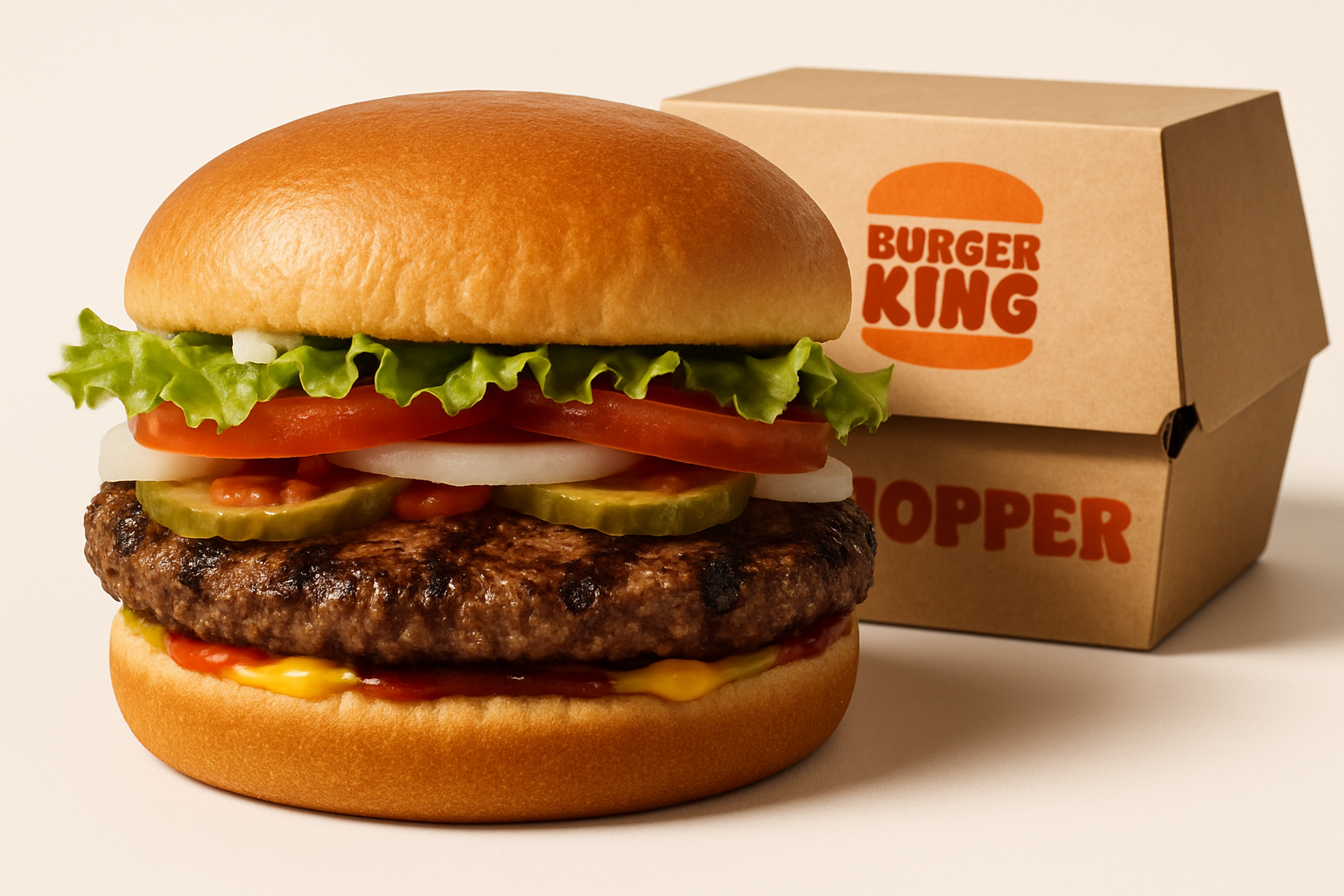
Fast food giant Burger King announced Thursday a comprehensive overhaul of its signature Whopper burger, marking the first major update to the iconic menu item in a decade as the chain responds to years of mounting customer complaints about burgers falling apart.
The updated Whopper will feature a redesigned, sturdier bun and will be served in cardboard box packaging instead of traditional paper wrapping, addressing what company executives acknowledge has been a persistent quality control issue affecting customer satisfaction scores across North America.
Structural Integrity Crisis
The announcement comes after extensive internal research revealed that structural failure of the Whopper burger had become one of the most frequent customer complaints received by the Miami-based restaurant chain. Social media platforms have been flooded with images and videos of collapsed Whopper burgers, with customers expressing frustration over the messy eating experience and perceived value deterioration.
The company's decision to redesign its flagship product represents a significant acknowledgment that the current Whopper construction has failed to meet consumer expectations in an increasingly competitive fast-food landscape where rivals have focused heavily on product quality improvements.
Industry Context and Competition
The Whopper redesign occurs during a period of intense competition among major fast-food chains, with competitors like McDonald's and Wendy's having undergone their own menu innovations and quality improvements in recent years. Industry analysts suggest that Burger King's move reflects broader consumer demands for higher-quality fast food experiences, even at traditional value-oriented chains.
This development also coincides with the ongoing global food safety crisis that has dominated headlines throughout 2026. While Burger King's announcement focuses on structural improvements rather than safety concerns, the emphasis on quality control comes as consumers have become increasingly scrutinizing of food industry practices following widespread contamination incidents across multiple countries.
The fast-food industry has faced mounting pressure to balance convenience, affordability, and quality as consumer expectations evolve. Burger King's Whopper update represents an attempt to address the quality component without significantly altering the product's core identity or pricing structure.
Corporate Strategy and Market Position
Restaurant industry experts view the Whopper redesign as part of Burger King's broader efforts to revitalize its brand image and compete more effectively with rivals who have successfully repositioned themselves in the premium fast-casual space. The company has struggled in recent years to maintain market share against competitors who have invested heavily in ingredient quality and customer experience improvements.
The timing of the announcement, coming during the first quarter of 2026, suggests the company aims to implement changes during a traditionally slower period for fast-food sales, allowing for staff training and supply chain adjustments before peak summer demand.
Implementation and Customer Response
Burger King has not yet announced specific rollout dates for the updated Whopper, though industry sources suggest implementation will likely begin in test markets before expanding system-wide. The company will need to coordinate changes across its supply chain, including bun suppliers and packaging manufacturers, to ensure consistent implementation across its extensive franchise network.
Initial customer reactions on social media have been cautiously optimistic, with many expressing appreciation that the company has acknowledged the structural issues that have long frustrated consumers. However, some customers have raised concerns about potential price increases that might accompany the enhanced packaging and improved bun quality.
Broader Industry Implications
The Whopper redesign reflects broader trends in the food service industry toward quality improvements and customer experience enhancement. As consumers become more discerning about food quality and value, traditional fast-food chains face pressure to evolve their offerings while maintaining the speed and affordability that define their market position.
This announcement also comes during a period of unprecedented global food safety awareness, with 2026 having witnessed numerous high-profile contamination incidents and regulatory enforcement actions across multiple countries. While Burger King's changes focus on structural rather than safety improvements, the emphasis on quality control resonates with current consumer priorities.
Looking Ahead
The success of Burger King's Whopper redesign will likely influence similar quality improvement initiatives across the fast-food industry. As consumer expectations continue to evolve, traditional quick-service restaurants must balance their core value propositions of speed and affordability with increasing demands for higher-quality food experiences.
For Burger King, the Whopper update represents both an opportunity to address longstanding customer concerns and a critical test of the company's ability to execute significant operational changes across its global restaurant network. The initiative's success could help restore consumer confidence in the brand and improve competitive positioning in an increasingly crowded marketplace.
The fast-food industry will be closely watching customer response and sales performance as Burger King implements these changes, with the results likely to influence future product development strategies across the sector. As the company works to ensure that its signature burger no longer falls apart, it faces the challenge of maintaining the Whopper's iconic status while meeting contemporary consumer expectations for quality and convenience.