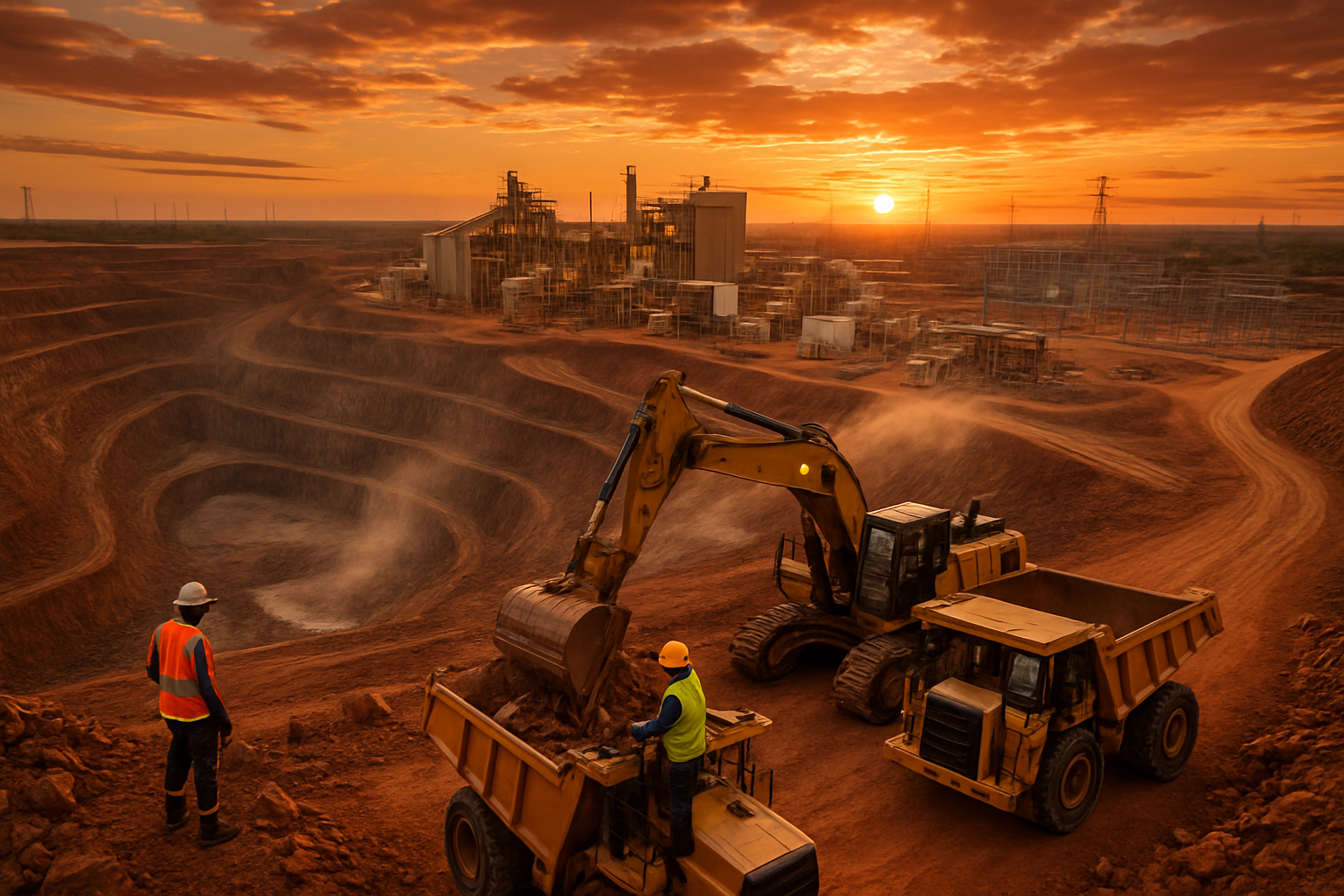
West and Central Africa are experiencing a remarkable transformation in their extractive and energy sectors, with Burkina Faso achieving a historic 94-ton gold production record in 2025 while Gabon simultaneously launches critical power infrastructure modernization projects in Port-Gentil to secure electricity supply for its economic capital.
The mineral-rich Sahel nation of Burkina Faso has reached an unprecedented milestone in its gold production capabilities, according to an announcement by the Minister of Energy, Mines and Quarries. The country's extractive sector produced 94 tons of gold in 2025, representing a spectacular increase from the previous year and marking what officials describe as a "historic threshold" for the industry.
This achievement comes under the framework of sovereignty reforms implemented by Captain Ibrahim Traoré's administration, which has prioritized asserting state control over natural resources since the 2022 military transition. The record production demonstrates the success of policies aimed at maximizing national benefit from the country's mineral wealth.
Strategic Resource Management Under Military Leadership
The remarkable gold production figures reflect broader changes in resource governance across the Alliance of Sahel States (AES), which includes Burkina Faso, Mali, and Niger. These nations have increasingly emphasized resource sovereignty and renegotiation of mining contracts with international companies to ensure greater national benefit.
Burkina Faso's mining sector has become a cornerstone of the national economy, with gold exports providing crucial foreign currency earnings amid challenging security conditions. The 94-ton production milestone positions the country among Africa's leading gold producers and demonstrates the sector's resilience despite ongoing regional instability.
The achievement also coincides with the military government's broader restructuring of the political landscape, including the dissolution of political parties in January 2026 as part of what authorities describe as efforts to eliminate divisive influences during the transition period.
Gabon's Power Infrastructure Revolution
Meanwhile, 1,500 kilometers south, Gabon has launched a comprehensive modernization of its electricity infrastructure with the official commencement of gas turbine replacement operations in Port-Gentil, the country's economic capital and oil industry hub. The initiative represents a critical investment in securing reliable power supply for the nation's industrial and commercial activities.
Port-Gentil, situated in the Ogooué-Maritime province, serves as the heart of Gabon's petroleum industry and requires stable electricity supply to maintain operations. The turbine replacement project addresses aging infrastructure challenges that have periodically threatened power reliability in this strategically important city.
The power infrastructure upgrade comes as Gabon prepares to participate in the Investing in African Mining Indaba 2026 in Cape Town, where Prime Minister Sosthène Nguema Nguema is expected to present the country's mining and energy development strategies to international investors and industry leaders.
Regional Context and International Engagement
These developments occur within the broader context of Africa's push for greater control over natural resources and infrastructure development. The Mining Indaba gathering represents a crucial platform for African nations to attract investment while maintaining sovereignty over their resource sectors.
Gabon's participation in the Cape Town conference, scheduled for February 2026, will provide an opportunity to showcase the country's commitment to infrastructure modernization and sustainable resource development. The timing of the Port-Gentil power upgrades ahead of this international forum demonstrates strategic planning to present a modernized energy sector to potential investors.
The contrast between Burkina Faso's record production under military leadership and Gabon's civilian government-led infrastructure modernization illustrates the diverse approaches African nations are taking to resource development and economic sovereignty.
Economic Implications and Future Prospects
The 94-ton gold production achievement in Burkina Faso represents significant economic value, potentially worth over $6 billion at current market prices. This revenue provides crucial resources for the government's development programs and security expenditures amid ongoing counterterrorism operations in the Sahel region.
For Gabon, the power infrastructure investments in Port-Gentil support the country's economic diversification efforts beyond petroleum dependency. Reliable electricity supply is essential for attracting manufacturing industries and supporting the growth of non-oil sectors.
Both developments reflect a broader African trend toward asserting greater control over natural resources while simultaneously investing in critical infrastructure to support economic growth and development objectives.
Challenges and Opportunities Ahead
Despite these achievements, both countries face significant challenges. Burkina Faso must maintain production levels while addressing security concerns that affect mining operations in certain regions. The country's mineral wealth remains a target for various armed groups operating in the Sahel.
Gabon's infrastructure modernization efforts require substantial investment and technical expertise to ensure long-term reliability and efficiency. The success of these projects will be crucial for maintaining the country's position as a stable investment destination in Central Africa.
The international mining community will closely watch both nations' progress as indicators of Africa's evolving approach to resource management and infrastructure development. Success stories from these initiatives could inspire similar approaches across the continent.
As Africa continues to assert greater control over its natural resources while simultaneously modernizing critical infrastructure, the experiences of Burkina Faso and Gabon provide valuable case studies for balancing sovereignty objectives with development needs and international investment requirements.