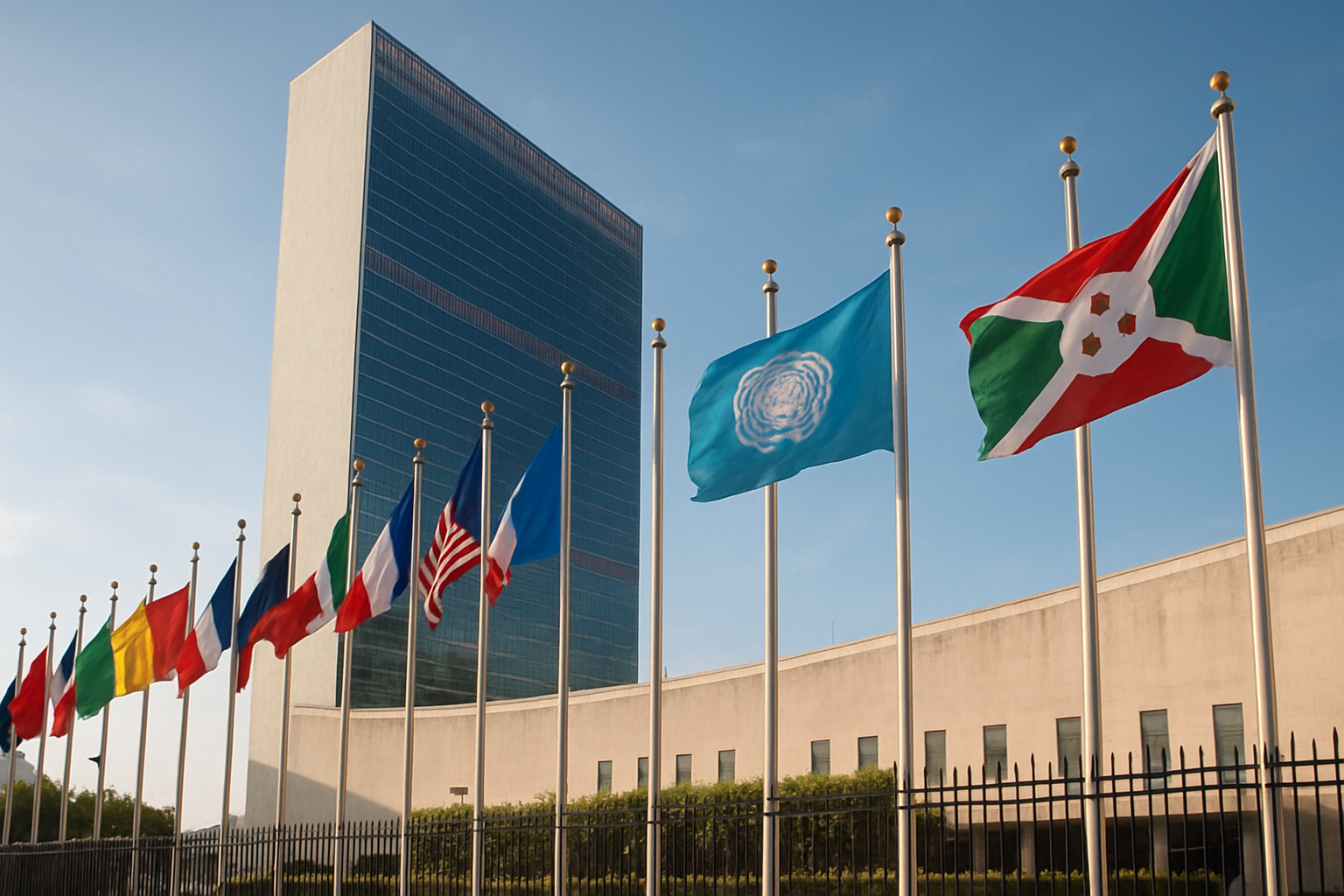
Burundi has officially submitted the candidacy of former Senegalese President Macky Sall for the position of UN Secretary-General at the United Nations headquarters in New York, launching what promises to be a competitive selection process for António Guterres' successor in 2027.
The nomination comes as Burundi currently holds the rotating presidency of the African Union, lending additional diplomatic weight to the candidacy. According to reports from Burkina Faso and Portuguese media, the formal submission marks the beginning of the 2026 selection process for the world's top diplomatic post.
Strategic Timing and African Leadership
The timing of Sall's nomination appears carefully orchestrated, with Burundi leveraging its current AU presidency to advance an African candidate for the UN's highest position. This aligns with the principle of regional rotation that has guided Secretary-General selections in recent decades, with Africa having last held the position through Boutros Boutros-Ghali of Egypt from 1992 to 1996.
Macky Sall, who served as Senegal's president from 2012 to 2024, brings extensive experience in African diplomacy and continental governance. His presidency coincided with significant economic growth in Senegal and active participation in regional peacekeeping efforts across West Africa.
Controversial Circumstances
However, the nomination comes amid controversy in Senegal, where Sall faces accusations of concealing the country's public debt during his tenure. Portuguese media specifically cited these allegations as the reason Burundi, rather than Senegal itself, submitted the candidacy. This unusual arrangement suggests potential diplomatic complications surrounding Sall's domestic legacy.
The debt concealment allegations have created political tensions in Senegal, potentially complicating what would otherwise be a straightforward endorsement from his home country. By having Burundi submit the nomination through its AU presidency, supporters appear to be navigating around domestic political obstacles.
The 2026 Selection Process
The nomination launches what is expected to be an extensive selection process throughout 2026, with the new Secretary-General set to begin work in January 2027. The process typically involves multiple rounds of consultations among UN member states, particularly the five permanent Security Council members who hold veto power over the final selection.
Current Secretary-General António Guterres, who has served since 2017, will complete his second term at the end of 2026. Guterres, a former Portuguese Prime Minister, has led the organization through multiple global crises, including the COVID-19 pandemic, climate emergencies, and ongoing conflicts in Ukraine and the Middle East.
African Union's Strategic Position
Burundi's decision to champion Sall's candidacy reflects broader African Union strategic thinking about global representation. The AU has consistently advocated for greater African representation in international institutions, and the Secretary-General position represents one of the world's most influential diplomatic roles.
Recent memory shows that Burundi's AU presidency has been actively engaged in continental affairs, with the organization recently addressing multiple crises including the ongoing situation in Sudan, climate challenges, and economic integration efforts across Africa.
International Diplomatic Landscape
The nomination comes at a particularly complex time in international relations, with the UN facing unprecedented challenges. From nuclear governance crises following the expiration of the New START treaty between the US and Russia to ongoing conflicts in multiple regions, the next Secretary-General will inherit a demanding portfolio.
Sall's diplomatic experience includes his involvement in various African mediation efforts and his participation in international climate initiatives during his presidency. His supporters point to his track record in managing Senegal's democratic transitions and economic development as qualifications for global leadership.
Regional and Global Competition
While Sall's nomination represents the first formal candidacy announced, the selection process typically attracts multiple candidates from different regions. The principle of regional rotation suggests African candidates may have an advantage, given that the position has recently been held by representatives from Europe (Guterres) and Asia (Ban Ki-moon).
The selection will unfold against the backdrop of significant global challenges, including climate change, technological governance, nuclear security, and ongoing conflicts. These issues will likely influence member states' preferences for leadership experience and diplomatic expertise.
Looking Ahead
As the 2026 selection process begins, Sall's candidacy represents both an opportunity for African leadership on the global stage and a test of how domestic political challenges affect international diplomatic careers. The role of Burundi as the nominating country adds an interesting dimension to traditional diplomatic protocols.
The coming months will reveal whether additional candidates emerge and how the international community responds to various nominations. With the UN facing multiple existential challenges, from climate action to nuclear governance, the selection of Guterres' successor will be closely watched by governments and civil society organizations worldwide.
The formal nomination process will now move through various diplomatic channels, with member states beginning consultations that will ultimately determine who will lead the United Nations through what promises to be another challenging period in global affairs.