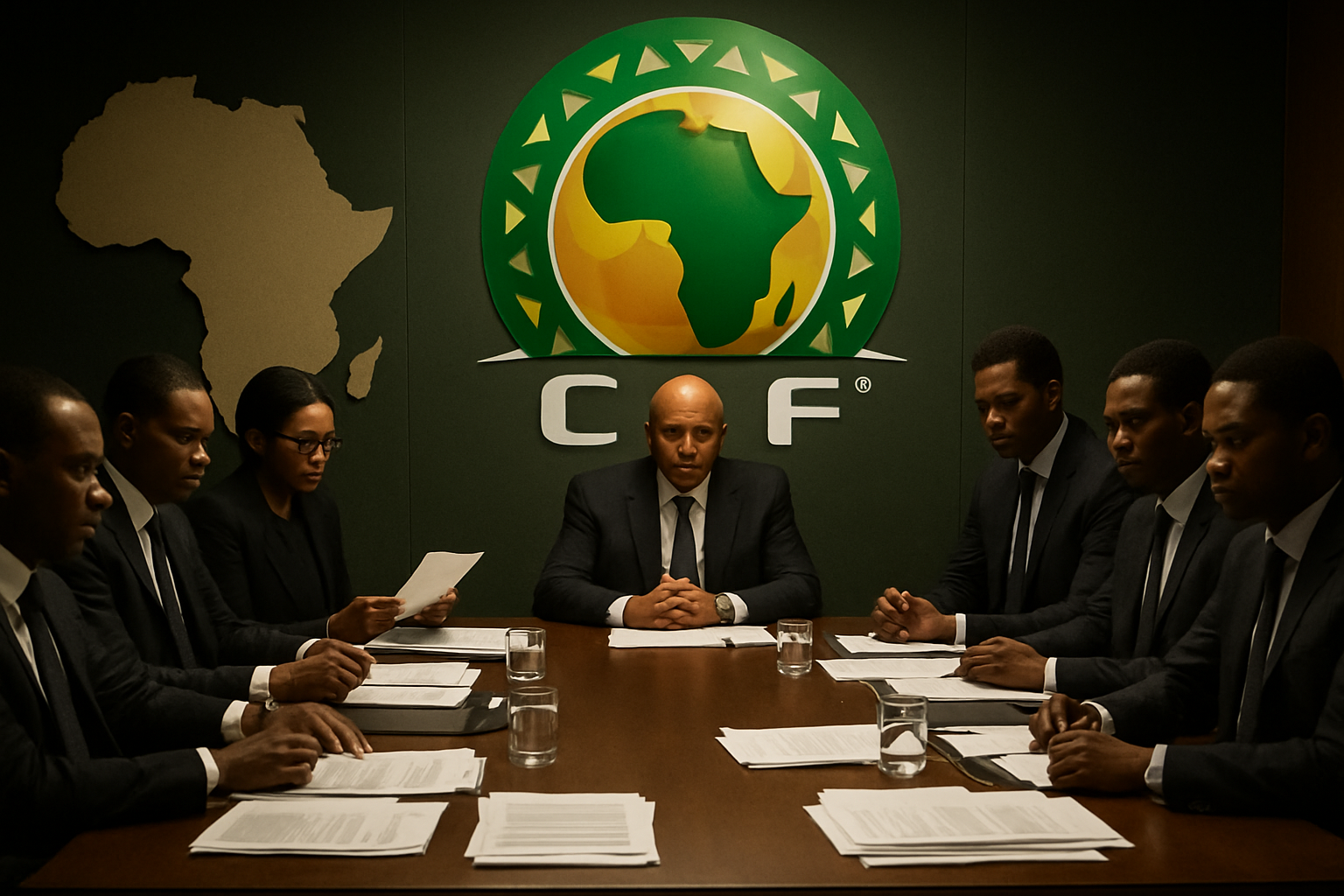
The Confederation of African Football (CAF) Disciplinary Board has imposed unprecedented sanctions on Morocco and Senegal following chaotic scenes that marred the 2025 Africa Cup of Nations final in Rabat, with both federations facing heavy fines and multiple suspensions for players and officials.
The disciplinary action, announced on January 28, 2026, comes after what observers described as a "farce" during the TotalEnergies CAF Africa Cup of Nations Morocco 2025 final on January 19, which saw Senegal defeat Morocco to claim the continental championship amid controversial and unsporting incidents that violated the CAF Disciplinary Code.
Sanctions Against Senegal
The Fédération Sénégalaise de Football (FSF) bore the brunt of the sanctions, with CAF imposing severe penalties on multiple individuals within the Senegalese delegation. Head coach Pape Bouna Thiaw received a five-match suspension and was fined $10,000 for his role in the misconduct during the final.
Two key Senegalese players also faced individual sanctions. Ismaïla Sarr, the talented winger, was suspended for two matches and fined $5,000, while midfielder Iliman Ndiaye received a similar two-match suspension with a $5,000 penalty. These suspensions will apply to upcoming international fixtures for the Senegalese national team.
Additionally, the FSF itself was hit with a substantial $50,000 fine for the collective misconduct of its delegation during the final. The federation was also given a suspended sanction of playing one match behind closed doors, which will be activated if similar incidents occur within the next two years.
Morocco Faces Equal Punishment
The Fédération Royale Marocaine de Football (FRMF) did not escape punishment, receiving sanctions commensurate with those imposed on Senegal. Morocco's coaching staff and players also faced individual penalties, though specific details of the Moroccan sanctions were not fully disclosed in the initial announcements.
Like Senegal, Morocco was fined $50,000 and received a suspended sanction regarding playing behind closed doors. The host nation's behavior during the final, particularly given their role as tournament organizers, was heavily scrutinized by the disciplinary board.
CAF Rejects Morocco's Appeal
In a significant development, CAF definitively rejected Morocco's formal complaint regarding the 2025 AFCON final result. The confederation made it explicitly clear that the disciplinary proceedings arising from the match misconduct do not affect the final outcome, confirming that Senegal remains the rightful African champion.
"The final scoreline stands and Senegal remains the rightful African champion."
— CAF Official Statement
This decision effectively ends any possibility of the match result being overturned or the trophy being redistributed, despite the various incidents that occurred during and after the final.
The Controversial Final
The January 19 final in Rabat was overshadowed by a series of controversial incidents that transformed what should have been a celebration of African football into a disciplinary nightmare. Multiple sources described the match as descending into chaos, with unsporting behavior from both sides leading to the current sanctions.
Among the controversies was the issue of goalkeepers using towels during the match, which has prompted CAF Referees Committee President Olivier Safari to hint at potential regulation changes. The incident has raised questions about existing rules governing goalkeeper equipment and conduct.
Diplomatic Efforts to Repair Relations
Despite the on-field tensions, diplomatic efforts have emerged to prevent lasting damage to Morocco-Senegal relations. Senegalese Prime Minister Ousmane Sonko visited Rabat following the final, stating that ties between the two nations were "stronger than emotion" and working to downplay the football-related tensions.
The diplomatic intervention highlights the broader implications of the AFCON final incidents, extending beyond football into international relations between two important West African nations.
Senegal Accepts Sanctions
In a significant development announced on January 31, 2026, the Fédération Sénégalaise de Football officially notified CAF of its decision not to appeal the sanctions. In a statement, the FSF confirmed it would not contest the disciplinary measures imposed on the federation or the individual sanctions against coach Pape Thiaw and players Ismaïla Sarr and Iliman Ndiaye.
This acceptance of the sanctions demonstrates a desire to move forward and avoid prolonging the controversy that has overshadowed Senegal's AFCON triumph.
Implications for African Football
The severe sanctions imposed by CAF send a strong message about the confederation's commitment to maintaining discipline and sportsmanship in African football. The precedent set by these punishments may influence future behavior in continental competitions.
The incident has also prompted discussions about potential rule changes, particularly regarding goalkeeper conduct and equipment regulations. CAF officials have indicated they may review existing guidelines to prevent similar controversies in future tournaments.
Financial Impact
The combined fines of $100,000 imposed on both federations, plus individual player fines totaling thousands more, represent significant financial penalties. These sanctions underscore CAF's determination to enforce its disciplinary code and maintain the integrity of its premier competition.
The suspended sanctions regarding playing behind closed doors serve as an additional deterrent, hanging over both federations as they prepare for future international competitions.
As African football moves forward from this controversial final, the sanctions imposed by CAF mark a watershed moment in the confederation's approach to discipline and conduct. While Senegal celebrates their continental triumph, both nations must now focus on rebuilding their reputations and ensuring such incidents do not recur in future competitions.