Véron Mosengo-Omba, Secretary General of the Confederation of African Football (CAF), announced his resignation on Sunday, March 29, 2026, ending a distinguished three-decade career in international football administration during one of the most turbulent periods in African football history.
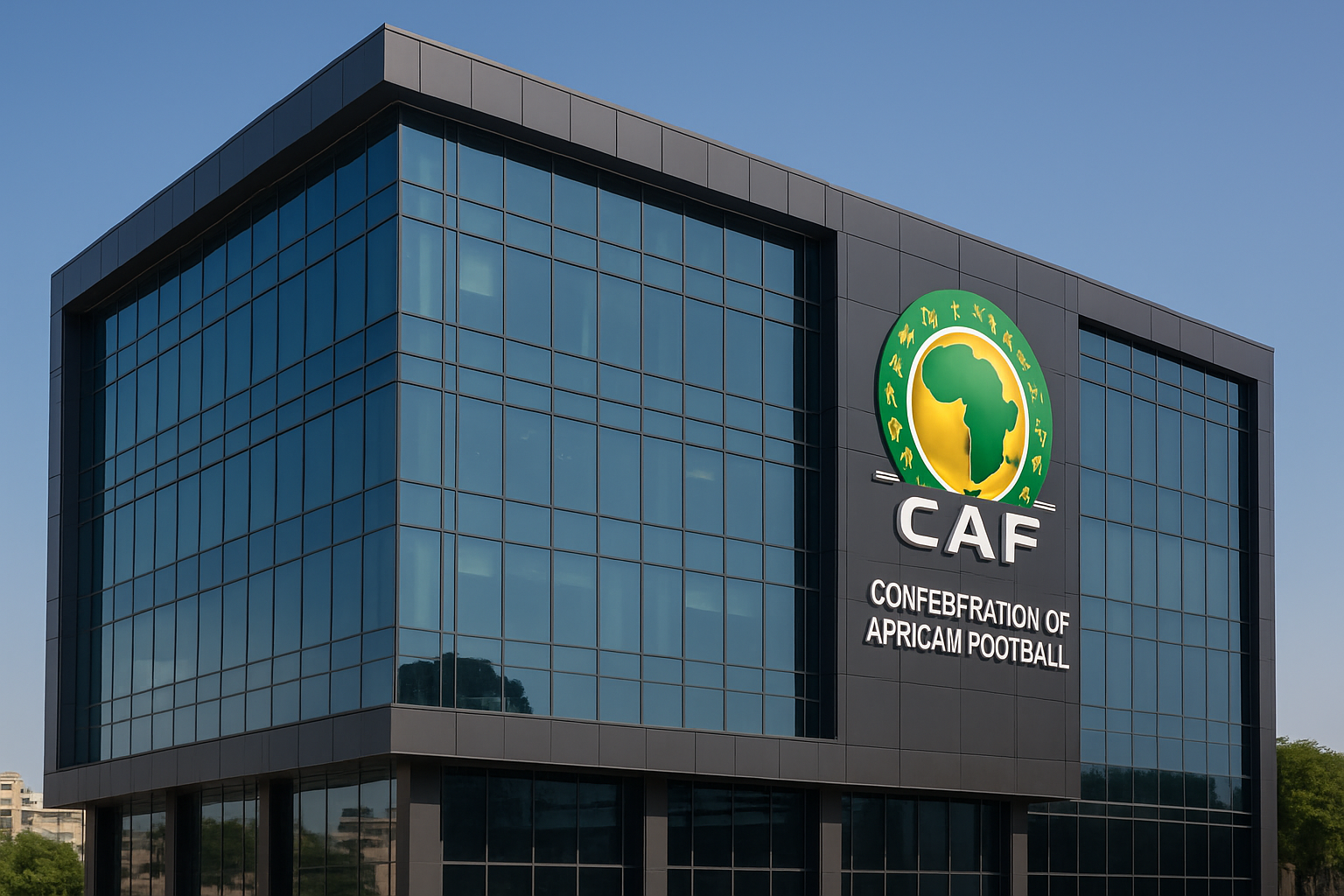
In a statement issued from CAF headquarters in Cairo, the veteran administrator cited a desire to focus on "personal projects" after more than 30 years of service to international football. The resignation comes just days after the most significant governance crisis in African football history, centered around the controversial stripping of Senegal's 2025 AFCON title and its subsequent award to Morocco.
Departure Amid Unprecedented Crisis
Mosengo-Omba's departure occurs during what sports law experts have described as "the greatest scandal in African football history." The crisis erupted when CAF's Appeals Committee made the unprecedented decision to strip Senegal of their 2025 AFCON championship title months after the tournament's completion, awarding it instead to Morocco.
The controversy has drawn international condemnation, with former Egyptian international Ahmed Hossam Mido calling it the "greatest scandal in African football history." Spanish club Cádiz CF offered unprecedented solidarity to Senegal with their "Todos con vosotros" (We are all with you) campaign, while European media condemned the decision as a "joke of the century."
In his resignation statement, Mosengo-Omba maintained that he was leaving "sereinement et sans contrainte" (serenely and without constraint), claiming to have addressed the suspicions that had surrounded his management in recent months. "I can retire serenely and without constraint, leaving behind a CAF that is more prosperous than ever," he declared, highlighting what he saw as progress made during his tenure.
International Legal Challenge Continues
The timing of Mosengo-Omba's resignation is particularly significant as the Court of Arbitration for Sport (CAS) has imposed a historic conservatory measure, freezing Morocco's disputed title pending final arbitration. This marks the first time in AFCON history that a continental title has been suspended by international sports arbitration months after completion.
"We will not surrender the trophy. The irregularities in this decision are clear, and we will pursue all legal avenues available to us."
— Augustin Senghor, Senegalese Football Federation President
Sports law expert Me Moustapha Kamara, with 25 years of experience, identified "irregularities" in CAF's decision to declare Senegal forfeit two months after the tournament's completion. The CAS intervention validates Senegal's strategy of seeking international arbitration rather than accepting CAF's controversial ruling.
Government-Level Involvement
The crisis has escalated beyond traditional sporting disputes, with the Senegalese government providing unprecedented backing for the legal challenge. Prime Minister Ousmane Sonko's administration has described CAF's decision as "grossly illegal" and is demanding an international investigation into the continental football body.
This represents the first time an African government has formally challenged a continental football body over corruption allegations related to a title decision. The diplomatic implications extend beyond sports, with Morocco-Senegal relations further strained after previous incidents involving the imprisonment of 18 Senegalese football fans.
Historical Context and Precedent Concerns
The controversy has raised serious questions about the consistency of CAF's application of regulations. Legal experts note that Morocco's 2019 walkoff incident, where the team "never returned to finish the encounter," did not result in similar retroactive sanctions, highlighting potential inconsistencies in the organization's decision-making process.
CAF President Patrice Motsepe has acknowledged that recent events have "damaged trust in African football," while insisting that "Senegal has the right to appeal." This admission of institutional damage comes during a critical period when African football is experiencing expanded World Cup participation and increased global scrutiny.
Mosengo-Omba's Legacy
The departing Secretary General's career spanned more than three decades of service to international football, during which he witnessed and participated in the significant evolution of African football administration. His tenure saw efforts to modernize CAF's operations and enhance the profile of African football on the global stage.
However, his departure amid this governance crisis raises questions about institutional leadership during challenging periods. The search for his replacement will be closely watched as CAF attempts to rebuild trust and credibility in African football governance.
Broader Implications for African Football
The resignation occurs against the backdrop of what international sports law experts are monitoring as a template-setting case for continental competition disputes. The outcome of the CAS proceedings will establish important precedents for how post-tournament administrative decisions are handled globally.
The crisis also unfolds during a period of significant African continental development, including AfCFTA implementation and major infrastructure projects. The football scandal risks undermining the continent's reputation for transparent governance during strategic international partnerships.
Looking Forward
As CAF begins the process of identifying Mosengo-Omba's successor, the organization faces the challenge of restoring institutional credibility while the CAS proceedings continue. The Court of Arbitration for Sport must now examine the legality of CAF's post-tournament title reversal and determine proper procedural compliance.
The coming weeks will be decisive in determining not only the rightful holder of the 2025 AFCON championship but also in establishing frameworks for sporting integrity preservation in future continental competitions. The international sports law community continues to monitor this precedent-setting case that will influence democratic institutions, continental competition standards, and the capacity of sporting bodies to maintain credibility under intense scrutiny.
For African football, Mosengo-Omba's resignation represents both an end to an era of leadership and the beginning of what many hope will be a period of institutional reform and renewed commitment to transparent governance in continental football administration.