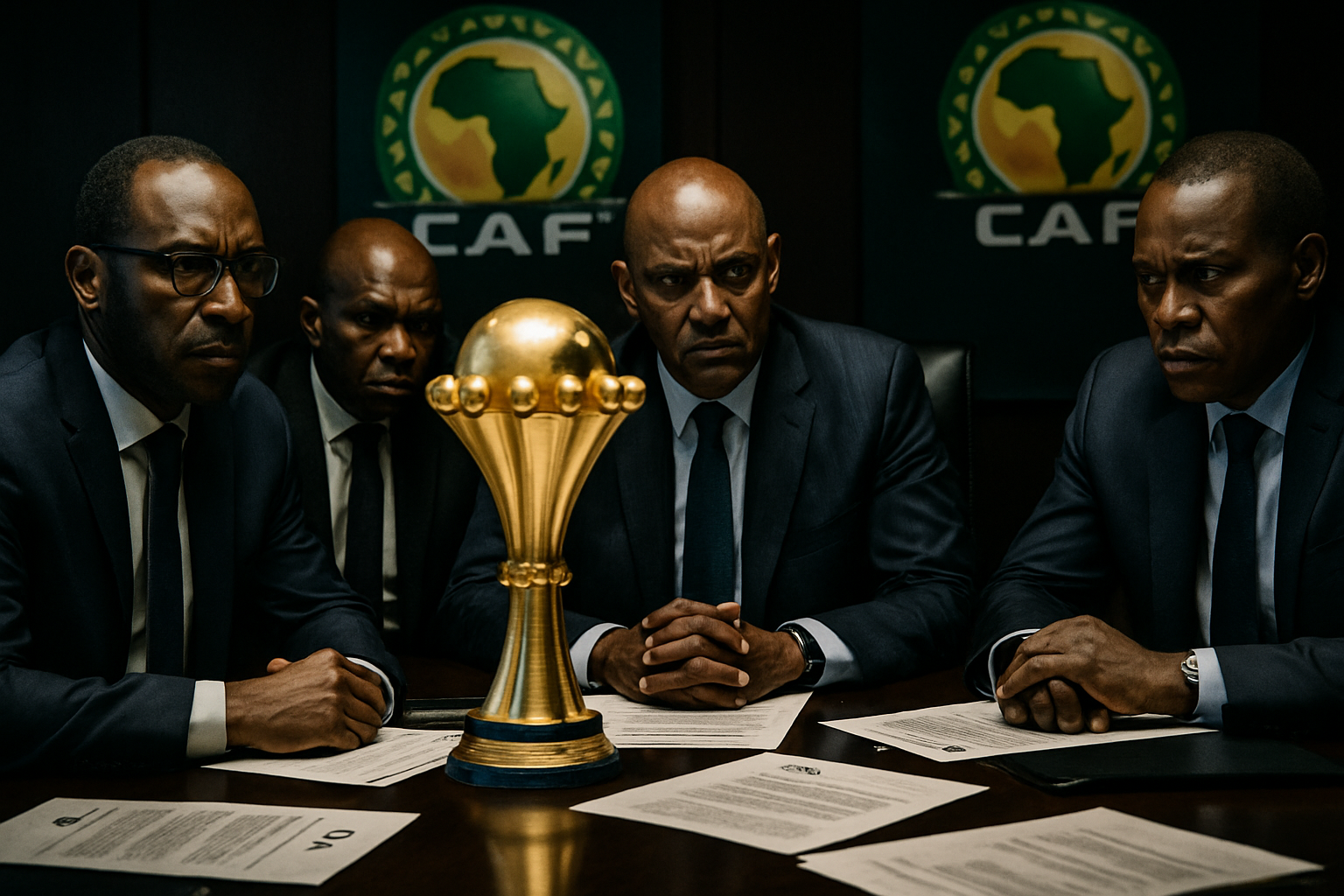
The Confederation of African Football (CAF) has delivered African football's most stunning administrative decision in history, stripping Senegal of their 2025 Africa Cup of Nations title and declaring Morocco champions in an unprecedented post-tournament reversal that has sent shockwaves across the continent and beyond.
The bombshell announcement came on Tuesday, March 17, 2026 - exactly 57 days after Senegal celebrated what they believed was their continental triumph following a dramatic 1-0 extra-time victory over Morocco in Rabat on January 18, 2026. CAF's Appeals Board ruled that Senegal forfeited the final after players temporarily left the pitch for 14 minutes to protest a VAR penalty decision.
The Chaotic Final That Changed Everything
The controversy stems from scenes of chaos during the AFCON 2025 final at the Mohammed V Stadium in Rabat. With the match tied at 0-0 in extra time, Senegalese players walked off the field in protest after a VAR decision awarded Morocco a penalty. The Lions of the Teranga returned after 14 minutes of heated discussions, completed the match, and ultimately won 1-0 through Pape Gueye's goal.
What seemed like a moment of protest that was resolved on the pitch has now become the basis for the most controversial decision in African football history. CAF's Appeals Board, citing Articles 82 and 84 of AFCON regulations regarding forfeiture, has ruled that Senegal's temporary abandonment constituted a forfeit, awarding Morocco a 3-0 victory and the continental title.
"We thought it was a joke at first. Nobody could believe this was happening. It's a victory without any taste."
— Anonymous Senegalese Federation Official
Unprecedented Administrative Intervention
This marks the first time in AFCON history that a title has been stripped from winners months after a tournament's conclusion. The decision represents a watershed moment for African football governance, raising fundamental questions about the relationship between sporting achievement on the pitch and administrative interpretation in boardrooms.
The extensive timeline of CAF's decision has drawn criticism from sports law experts worldwide. Claude Le Roy, the veteran French coach with extensive African football experience, condemned the ruling as setting a "dangerous precedent" that questions the very foundations of African football governance.
Morocco, meanwhile, gains their first AFCON title since 1976, though the controversial circumstances surrounding their continental triumph have left even some Moroccan officials uncomfortable with the situation. The Atlas Lions had been devastated after believing they had lost the championship on home soil, making this administrative victory bittersweet at best.
Immediate Backlash and Legal Challenges
The reaction in Senegal has been immediate and furious. The Senegalese Football Federation announced within hours that they would appeal the decision to the Court of Arbitration for Sport (CAS), with former federation president Augustin Senghor declaring they would "not surrender the trophy."
The Senegalese government has also weighed in, with officials describing themselves as "totally dismayed" by CAF's decision and announcing plans to "counterattack" through all available diplomatic and legal channels. Prime Minister Ousmane Sonko's government sees this as more than a sporting issue, viewing it as a matter of national dignity.
Iconic Senegalese musician Youssou Ndour captured the national mood when he declared, "This will not pass!" The Senegalese Football Federation has been notably active on social media, retweeting videos showing spontaneous celebrations that erupted in the streets of Dakar following news of the CAF decision - a defiant gesture that has not gone unnoticed.
International Sports Law Implications
Sports law experts are watching this case closely, as it could set important precedents for how post-tournament appeals are handled globally. South African journalist Melissa Reddy, a recognized specialist in international football, has outlined the legal strategy available to Senegal before CAS, suggesting the case hinges on whether temporary protest constitutes abandonment under international sporting regulations.
The controversy highlights broader challenges in African football governance and administrative rule interpretation versus sporting achievement balance. The CAF decision creates immediate Morocco-Senegal tensions that extend well beyond football, potentially affecting diplomatic relations between the two West African neighbors.
Historical Context and Precedents
This decision comes against a backdrop of previous tensions between the two nations' football federations. Both countries faced CAF sanctions following misconduct during the chaotic final, with $50,000 fines levied on each federation plus individual sanctions on players and coaching staff.
The original sanctions included Senegal coach Pape Bouna Thiaw receiving a 5-match suspension plus $10,000 fine, while players Ismaïla Sarr and Iliman Ndiaye each received 2-match suspensions plus $5,000 fines. At that time, CAF had rejected Morocco's initial appeal and confirmed Senegal as rightful champions.
The reversal of that position months later has created confusion about CAF's consistency and decision-making processes, with critics arguing that such dramatic post-tournament administrative interventions undermine the integrity of continental competitions.
Global Reaction and Media Coverage
International media has dubbed the situation the "joke of the century," with coverage spanning from France 24 to Al Jazeera highlighting the unprecedented nature of the decision. The Swiss media noted this represents "a story world football has never experienced before," emphasizing how the controversy has captured global attention.
Swedish media reported that Morocco becomes African champions for the first time in 50 years through an administrative decision rather than on-field triumph, underscoring the unusual circumstances of their continental success.
Impact on 2026 World Cup Preparations
The timing of this decision has significant implications for both nations' 2026 World Cup preparations. Senegal, grouped with Norway in qualifying, faces potential disruption to their campaign planning, while Morocco gains championship momentum heading into their World Cup preparations.
FIFA has yet to comment on whether they will recognize the result reversal, adding another layer of uncertainty to an already complex situation. The football world is watching to see how the global governing body responds to CAF's unprecedented decision.
Financial and Commercial Ramifications
Beyond the sporting implications, the decision raises questions about the financial implications for both federations. Prize money, commercial agreements, and sponsorship deals based on the original result may now need to be renegotiated or adjusted, adding economic complexity to an already charged political situation.
The commercial aspects of this reversal could set precedents for how post-tournament administrative decisions affect contractual obligations and financial arrangements in international football.
The Road Ahead
As Senegal prepares its CAS appeal, the international sporting justice system faces its most significant test in recent memory. The resolution will establish important precedents for how global post-tournament appeals are handled and could influence continental competition administration for years to come.
The case represents a watershed moment that will determine the relationship between sporting achievement and administrative oversight in modern football. Whether sporting results achieved on the pitch can be overturned months later by boardroom decisions goes to the heart of football's integrity and the trust fans place in the game.
This unprecedented controversy has already begun to reshape discussions about African football governance evolution and the balance between institutional authority and sporting authenticity. The legacy of this decision will be felt long after the immediate political tensions subside, potentially influencing how continental competitions are administered across the globe.
For now, two nations remain in limbo - one stripped of glory they believed they had earned, another crowned champions through circumstances beyond their control. The beautiful game has rarely faced such an ugly administrative controversy, and the resolution will determine whether football's future lies in sporting excellence or administrative interpretation.