Eight backcountry skiers have been confirmed dead and one remains missing after a devastating avalanche struck the Castle Peak area northwest of Lake Tahoe on Tuesday morning, marking California's deadliest avalanche incident in more than four decades.
The massive slide occurred at approximately 11:30 AM Pacific Time on February 17, 2026, when an automatic emergency signal was received by the 911 dispatch center. According to Nevada County Sheriff Shannan Moon, the missing ninth skier is presumed dead due to the power of the avalanche and deteriorating weather conditions.
Six members of the skiing group survived the ordeal and have been rescued from the Sierra Nevada wilderness. The incident has sent shockwaves through California's outdoor community, highlighting the inherent dangers of backcountry skiing even for experienced enthusiasts.
Massive Rescue Operation Underway
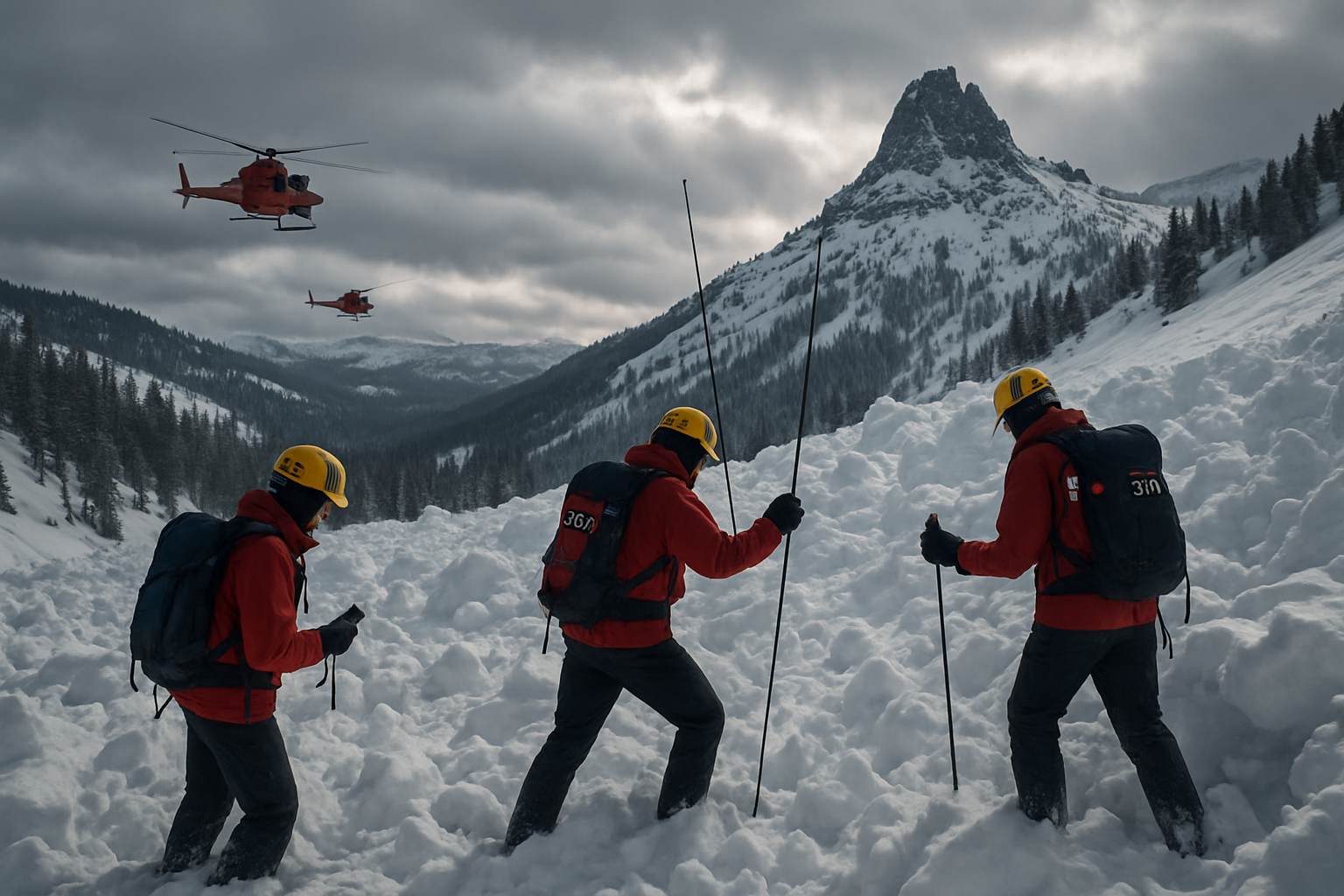
Search and rescue teams have mounted one of the most extensive alpine rescue operations in recent California history. Multiple agencies are coordinating efforts using avalanche transceivers, probe poles, and trained rescue dogs to systematically search the debris field, which has been described as "football field-sized" by authorities.
The rescue operation has been complicated by the same dangerous conditions that triggered the avalanche. Heavy snowfall and high winds are limiting helicopter access to the remote area, forcing ground teams to navigate treacherous terrain amid continued avalanche risks from fresh snow loading.
"This represents the most significant avalanche tragedy in California in over 40 years," Sheriff Moon stated during a press briefing.
— Sheriff Shannan Moon, Nevada County
The victims were part of an experienced backcountry tour group that had been returning from a three-day expedition in the Sierra Nevada mountains. All members were equipped with proper safety equipment including avalanche transceivers, but the sheer magnitude of the slide overwhelmed their preparations.
Emotional Impact on Rescue Community
The tragedy has taken an particularly emotional toll on the rescue community, as one of the deceased was the spouse of a search-and-rescue team member, according to Placer County Sheriff Wayne Woo. This personal connection has complicated the already challenging emotional aspects of the rescue operation.
Despite the personal impact, rescue teams continue their methodical search efforts. However, the bodies remain trapped in the snow and cannot be safely recovered due to ongoing avalanche dangers in the area.
Global Avalanche Crisis Context
The Castle Peak tragedy occurs amid what experts are calling a global avalanche crisis. The European Alps have recorded over 60 deaths this winter season, with particularly deadly incidents in France, Austria, and Italy. Just hours before the California incident, three skiers died in separate avalanche incidents across Austria's Tirol region.
Europe is experiencing what meteorologists describe as the harshest winter in decades, with temperatures dropping to -30°C in some regions. These extreme conditions have created ideal snow for Olympic events but treacherous off-piste conditions that have claimed dozens of lives.
The same day as the Castle Peak avalanche, Austria reported three deaths: a 71-year-old Dutch tourist killed in Fiss, a 44-year-old German ski mountaineer in Navis Valley, and a 20-year-old Austrian skier in Kirchberg. Austria has issued avalanche warnings of level 4 out of 5 for regions above the tree line.
Challenging Mountain Terrain
The Castle Peak area is well-known among backcountry enthusiasts for its challenging terrain and significant avalanche risks during heavy snow periods. The region, located in the Tahoe National Forest, attracts experienced skiers seeking pristine powder conditions away from crowded resort slopes.
The incident occurred during a powerful winter storm that created the same dangerous conditions responsible for triggering the avalanche. Weather complications from heavy snow and high winds have limited visibility and helicopter operations throughout the rescue effort.
Rising Backcountry Popularity
The tragedy highlights the growing popularity of backcountry skiing that has surged since the COVID-19 pandemic, as outdoor enthusiasts seek wilderness experiences away from crowded resort areas. This increased participation has led to greater exposure to avalanche terrain, even among those with proper safety equipment and education.
Industry experts emphasize that while proper avalanche safety education, equipment maintenance, and condition assessment are essential, they cannot eliminate the inherent risks of backcountry skiing entirely.
Investigation and Support Efforts
A full investigation into the circumstances surrounding the avalanche will begin once rescue operations are completed. Authorities are examining weather conditions, terrain factors, and group decision-making processes that led to the tragedy.
The Northern California outdoor community has rallied to support rescue efforts and the affected families. Local organizations are coordinating assistance while respecting the ongoing search and rescue operations.
If the ninth victim is confirmed deceased, this incident would rank among the deadliest single avalanche events in U.S. history, representing the most significant California avalanche tragedy in modern times.
Weather and Safety Implications
The Castle Peak avalanche serves as a stark reminder of nature's unpredictable power and the critical importance of avalanche safety education. Even experienced backcountry enthusiasts with proper equipment can fall victim to the sudden and overwhelming force of a major avalanche.
Mountain safety experts continue to stress the importance of checking avalanche bulletins, carrying appropriate safety gear, and making conservative decisions in uncertain conditions. However, they also acknowledge that some avalanches, particularly those of this magnitude, can overwhelm even the best-prepared groups.
As rescue operations continue and the outdoor community processes this devastating loss, the Castle Peak tragedy will likely influence backcountry safety protocols and education programs for years to come, serving as a sobering reminder of the respect that mountain environments demand.