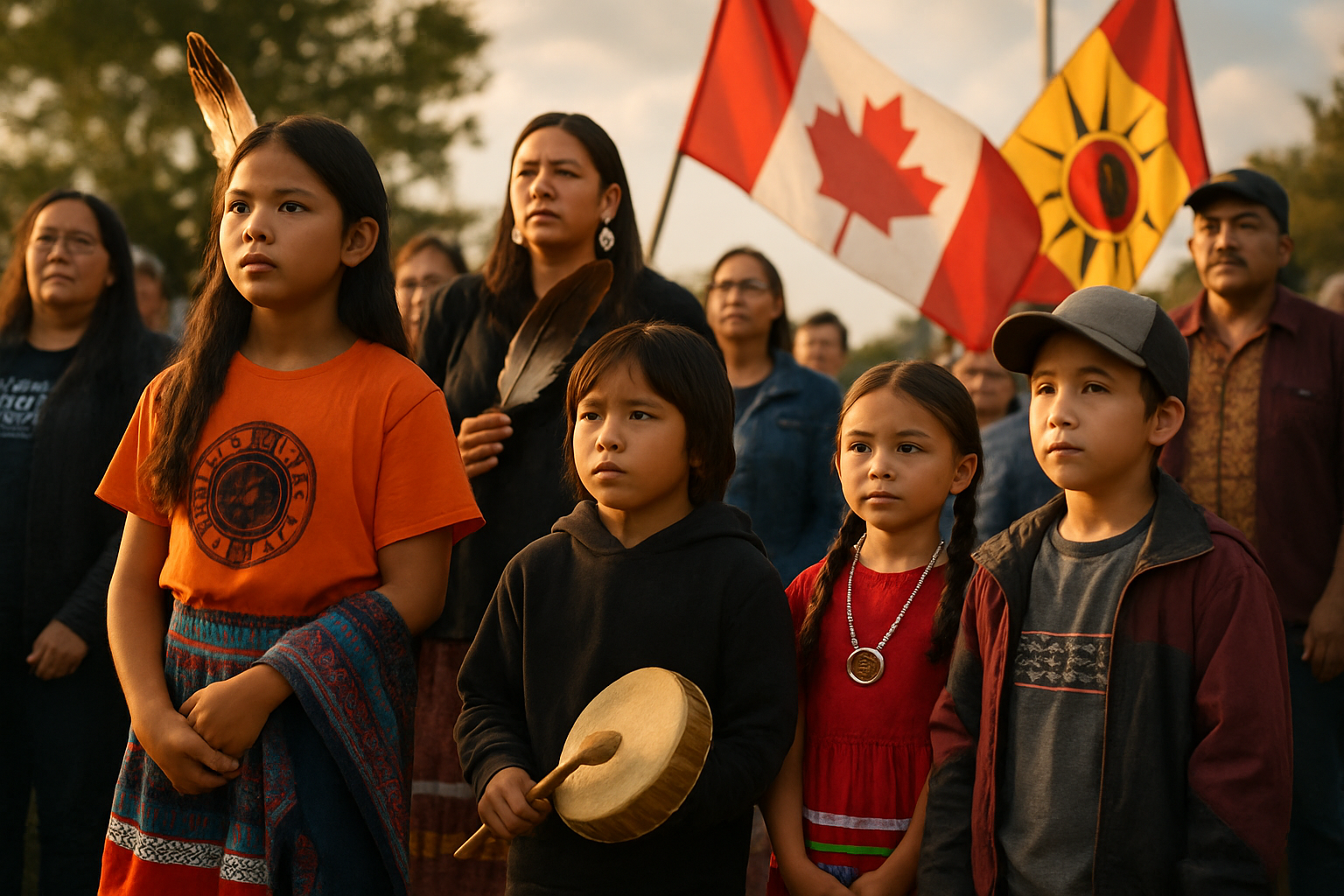
The Canadian Human Rights Tribunal has approved a groundbreaking $8.5 billion child welfare settlement between the federal government and First Nations communities in Ontario, marking a pivotal moment in Canada's ongoing reconciliation efforts and ending a decades-long discrimination case.
This historic agreement, announced on March 30, 2026, represents one of the largest child welfare settlements in Canadian history and establishes a comprehensive framework for transforming how Indigenous children and families are supported across Ontario. The settlement partially resolves a discrimination case that has been ongoing for over two decades, addressing systemic underfunding and inequitable treatment in First Nations child and family services.
Background of the Discrimination Case
The settlement stems from a landmark discrimination complaint originally filed with the Canadian Human Rights Tribunal, which found that the federal government systematically underfunded First Nations child welfare services compared to provincial systems. This underfunding created dangerous gaps in services, leading to disproportionately high rates of Indigenous children being removed from their families and communities.
According to evidence presented throughout the case, First Nations children were far more likely to be placed in care than non-Indigenous children, despite many families needing support services rather than child removal. The tribunal's findings documented how this chronic underfunding perpetuated cycles of family separation and community trauma across generations.
The case gained momentum following previous national settlements, including a $47.8 billion deal that First Nations chiefs twice voted down in 2024, citing concerns about implementation and long-term sustainability. The Ontario-specific agreement represents a more targeted approach, focusing on building sustainable, culturally appropriate support systems within the province.
Key Components of the Settlement
The $8.5 billion settlement encompasses several critical areas of reform and investment. Primary funding will support the development of Indigenous-led child and family service agencies, ensuring that First Nations communities have direct control over the care and protection of their children. This represents a fundamental shift from colonial-era policies that removed decision-making authority from Indigenous communities.
A significant portion of the settlement will fund preventive services designed to keep families together through enhanced support systems. These services include mental health programs, addiction treatment, housing assistance, and educational support – addressing the root causes that often lead to child welfare interventions rather than simply responding to crises after they occur.
The agreement also establishes comprehensive training programs for child welfare workers, ensuring they understand Indigenous cultures, traditions, and the historical trauma that continues to impact communities. This cultural competency training aims to eliminate discriminatory practices and ensure that Indigenous families receive respectful, appropriate support.
Infrastructure investments form another crucial component, with funding allocated for building new facilities and upgrading existing ones to meet the specific needs of Indigenous children and families. These facilities will be designed with cultural considerations in mind, incorporating traditional healing spaces and community gathering areas.
Implementation and Oversight
Indigenous Services Minister Mandy Gull-Masty, who played a crucial role in negotiating the settlement, emphasized the government's commitment to ensuring effective implementation. "This agreement represents more than financial compensation – it's about transforming how we support Indigenous children and families," Minister Gull-Masty stated during parliamentary proceedings.
The settlement includes robust oversight mechanisms to ensure funds are used effectively and that promised reforms are actually implemented. A joint oversight committee, composed of government representatives and First Nations leaders, will monitor progress and address any implementation challenges that arise.
Timeline requirements built into the agreement mandate that initial funding must flow to communities within six months, with full program implementation expected within two years. This accelerated timeline reflects lessons learned from previous settlements where delays undermined community confidence and delayed necessary reforms.
Community Response and Significance
First Nations leaders across Ontario have expressed cautious optimism about the settlement, while emphasizing that success will depend on meaningful implementation. Many community leaders who experienced the failures of previous national agreements stressed the importance of maintaining community oversight and ensuring that bureaucratic delays don't undermine the settlement's potential impact.
The agreement's focus on Indigenous self-determination represents a significant departure from historical approaches to child welfare in Indigenous communities. Rather than imposing external solutions, the settlement empowers First Nations communities to develop and implement their own culturally appropriate child and family service systems.
Child welfare advocates have highlighted the settlement's potential to break cycles of intergenerational trauma. By investing in prevention and family preservation, the agreement addresses long-standing concerns that the child welfare system was perpetuating rather than solving problems in Indigenous communities.
Historical Context and Reconciliation
This settlement occurs within the broader context of Canada's ongoing reconciliation efforts with Indigenous peoples. The agreement builds on previous initiatives, including the February 2026 historic Musqueam rights recognition agreement covering Metro Vancouver territories, which established new frameworks for Indigenous consultation and decision-making in urban areas.
The child welfare settlement also reflects growing recognition of the connection between colonial policies and contemporary challenges facing Indigenous communities. The residential school system, the Sixties Scoop, and other assimilationist policies created lasting trauma that continues to impact families and communities today. This settlement represents an attempt to address these historical wrongs through concrete, sustained investment in Indigenous-led solutions.
Prime Minister Mark Carney's government has positioned these agreements as central to Canada's reconciliation agenda, particularly as the country faces questions about its commitment to Indigenous rights on the international stage. The settlement provides tangible evidence of Canada's efforts to address historical injustices through meaningful policy change and financial investment.
Challenges and Expectations
Despite widespread support for the settlement, significant challenges remain in ensuring successful implementation. First Nations communities have experienced decades of broken promises and failed initiatives, creating understandable skepticism about government commitments. Building trust will require consistent follow-through on all aspects of the agreement.
The complexity of transforming child welfare systems presents additional challenges. Creating new Indigenous-led agencies, training culturally competent staff, and developing prevention-focused programs will require sustained effort and coordination across multiple levels of government and community organizations.
Capacity building within First Nations communities represents another crucial challenge. While the settlement provides funding for Indigenous-led services, many communities will need time and support to develop the organizational infrastructure necessary to deliver these services effectively.
Broader Implications
The Ontario settlement may serve as a template for similar agreements in other provinces, where First Nations communities continue to advocate for equitable child welfare services. The agreement's emphasis on Indigenous self-determination and prevention-focused approaches could influence child welfare reform efforts across Canada and internationally.
Legal experts suggest that the tribunal's approval of this agreement strengthens the precedent for human rights-based approaches to Indigenous issues. By framing child welfare inequities as human rights violations rather than simply policy disagreements, the case establishes important legal principles that could apply to other areas of government service delivery.
The settlement also demonstrates the potential for negotiated solutions to complex historical injustices. Rather than pursuing lengthy court battles, the agreement shows how collaborative approaches can produce concrete results that address both immediate needs and long-term systemic reform.
Looking Forward
As implementation begins, all parties acknowledge that the agreement's ultimate success will be measured not in dollars allocated but in outcomes for Indigenous children and families. Key indicators will include reduced rates of child apprehension, increased family preservation, improved child welfare outcomes, and stronger, more resilient Indigenous communities.
The settlement represents a critical test of Canada's commitment to reconciliation and Indigenous self-determination. Success could provide a model for addressing other areas where Indigenous communities continue to experience discrimination and inequitable treatment. Failure could further undermine trust and set back reconciliation efforts for years to come.
For the thousands of Indigenous children and families who will be directly impacted by this agreement, the settlement offers hope for a future where cultural identity is preserved and celebrated, where families receive support rather than punishment, and where Indigenous communities control their own destinies. The agreement's true measure of success will be found in the lives it transforms and the communities it strengthens in the years ahead.