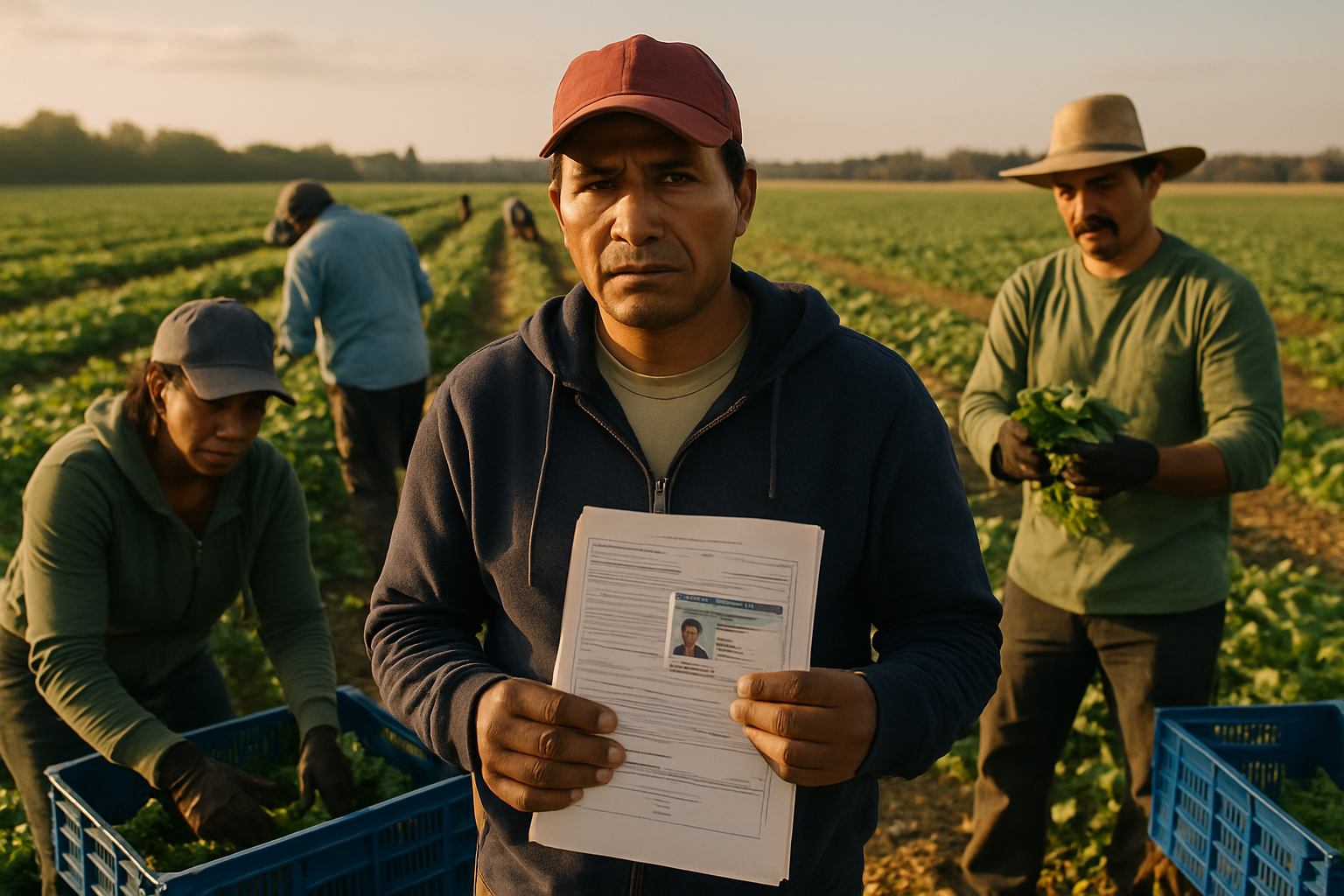
A Canadian judge has certified a groundbreaking class action lawsuit challenging Canada's Seasonal Agricultural Worker Program, marking a significant milestone in the fight for migrant worker rights and potentially reshaping agricultural labor practices across the country.
The lawsuit, which alleges that the federal program systematically exploits agricultural workers' labor and Charter rights, received judicial approval to proceed last week, opening the door for thousands of seasonal farm workers to seek legal redress for alleged violations of their employment insurance benefits and workplace protections.
Core Allegations Against the Seasonal Agricultural Worker Program
The class action centers on claims that Canada's Seasonal Agricultural Worker Program creates a two-tiered system that denies fundamental workplace protections to temporary foreign workers while providing them to domestic employees. The plaintiffs argue that current program restrictions violate both Canadian labor law and Charter rights by limiting workers' access to employment insurance benefits and restricting their mobility between employers.
According to legal documents, the program's structure creates systemic barriers that prevent migrant workers from accessing the same employment insurance benefits available to Canadian workers, despite making identical contributions to the system. The lawsuit also challenges work permit restrictions that tie workers to specific employers, potentially creating conditions for exploitation and abuse.
Historical Context of Migrant Worker Rights in Canada
The certification of this class action lawsuit comes against a backdrop of growing international attention to migrant worker rights, particularly in agricultural sectors worldwide. Recent investigations across multiple countries have revealed similar patterns of systemic challenges facing seasonal agricultural workers, from employment insurance restrictions to workplace safety concerns.
Canada's Seasonal Agricultural Worker Program, established decades ago to address labor shortages in agriculture, has long been criticized by advocates who argue that its structure creates inherent vulnerabilities for participating workers. The program brings thousands of workers annually from Caribbean and Latin American countries to work on Canadian farms under temporary foreign worker permits.
"The significance of this judicial decision cannot be overstated. It represents a fundamental recognition that migrant workers deserve the same legal protections and benefits as any other worker contributing to Canada's agricultural sector."
— Legal Expert on Migrant Worker Rights
Employment Insurance Benefits at the Center of the Dispute
A central component of the lawsuit focuses on employment insurance (EI) benefits, with plaintiffs arguing that seasonal agricultural workers face systematic barriers to accessing these benefits despite making required contributions. The legal challenge contends that current program rules effectively exclude many migrant workers from receiving unemployment benefits during off-seasons or between contracts.
This issue has broader implications for Canada's social safety net, as it raises questions about whether temporary foreign workers should have access to the same employment insurance protections as domestic workers when they contribute equally to the system through payroll deductions.
The lawsuit also addresses restrictions that prevent workers from changing employers during their contract periods, arguing that these limitations create vulnerability to exploitation and violate fundamental principles of worker mobility and choice.
Regional and Economic Implications
The approval of this class action lawsuit has significant implications for Canada's agricultural sector, which relies heavily on seasonal foreign workers to maintain production levels. Agricultural employers across provinces including Ontario, Quebec, and British Columbia have expressed concerns about potential changes to the program structure.
Industry representatives argue that the current system provides necessary labor force flexibility for seasonal agricultural operations while ensuring worker protection through program oversight. However, worker advocacy groups contend that existing protections are inadequate and fail to address systemic imbalances in the employer-worker relationship.
The economic impact of potential changes to the program structure could affect both agricultural productivity and worker welfare, with implications extending beyond individual farms to rural communities dependent on agricultural employment.
Legal Precedent and Charter Rights Considerations
The court's decision to certify the class action represents a significant legal development, as it acknowledges that the plaintiffs' claims regarding Charter rights violations merit full judicial examination. The case may establish important precedents regarding the extent to which Canada's Charter of Rights and Freedoms applies to temporary foreign workers.
Legal experts note that the lawsuit challenges fundamental assumptions about the differential treatment of temporary foreign workers versus permanent residents and citizens in employment matters. The outcome could influence how courts interpret Charter protections in the context of temporary worker programs across various sectors.
The certification also suggests that courts may be increasingly willing to examine whether current immigration and labor policies create systemic disadvantages for vulnerable worker populations, potentially affecting other temporary foreign worker programs beyond agriculture.
International Context and Comparative Analysis
This legal challenge occurs within a broader international context of scrutiny regarding migrant worker rights. Recent investigations across multiple countries have revealed similar challenges facing agricultural workers, from employment insurance restrictions to workplace safety concerns and mobility limitations.
Comparative analysis with other jurisdictions suggests that Canada's approach to temporary agricultural worker programs faces similar criticisms to those leveled against programs in Australia, the United States, and European countries. International labor organizations have increasingly focused attention on ensuring that temporary worker programs maintain adequate protections against exploitation.
The Canadian case may serve as a template for similar legal challenges in other jurisdictions, particularly regarding the intersection between immigration status and employment rights in agricultural sectors.
Potential Outcomes and Reform Implications
If successful, the lawsuit could compel significant reforms to Canada's Seasonal Agricultural Worker Program, potentially affecting program administration, benefit eligibility, and worker mobility rights. Changes might include expanded access to employment insurance benefits, modified work permit conditions, or enhanced oversight mechanisms.
The federal government has indicated it will defend the current program structure while remaining open to improvements that balance worker protection with agricultural sector needs. Officials emphasize the program's role in addressing legitimate labor market shortages while providing employment opportunities for workers from participating countries.
Advocacy groups view the lawsuit as a crucial step toward ensuring that migrant workers receive fair treatment and protection under Canadian law, regardless of their temporary status. The outcome may influence broader discussions about immigration policy and worker rights in other economic sectors.
Broader Implications for Agricultural Policy
The class action lawsuit highlights broader questions about the structure and oversight of temporary foreign worker programs in Canada's agricultural sector. These include issues of worker recruitment, contract enforcement, living conditions, and access to legal recourse for workplace violations.
Recent climate challenges affecting agricultural production across Canada have intensified discussions about the need for reliable labor force arrangements while ensuring adequate worker protections. The lawsuit occurs during a period of significant agricultural policy review as governments balance production needs with worker welfare considerations.
The case also raises questions about the relationship between federal immigration policy and provincial labor standards, as agricultural work conditions fall under provincial jurisdiction while immigration policy remains federal responsibility.
Looking Forward: Timeline and Next Steps
With the class action now certified to proceed, the legal process moves into the discovery and evidence-gathering phase, which could take several years to complete. The court will examine detailed evidence regarding program operations, benefit administration, and worker experiences under current arrangements.
The timeline for resolution remains uncertain, as complex class action lawsuits involving government policy often require extensive legal proceedings. However, the certification itself represents a significant victory for worker advocates who have sought judicial review of program practices for years.
Stakeholders across the agricultural sector, worker advocacy organizations, and government agencies are closely monitoring developments, as the case's outcome could establish important precedents for migrant worker rights and temporary foreign worker program administration in Canada and potentially other jurisdictions facing similar challenges.