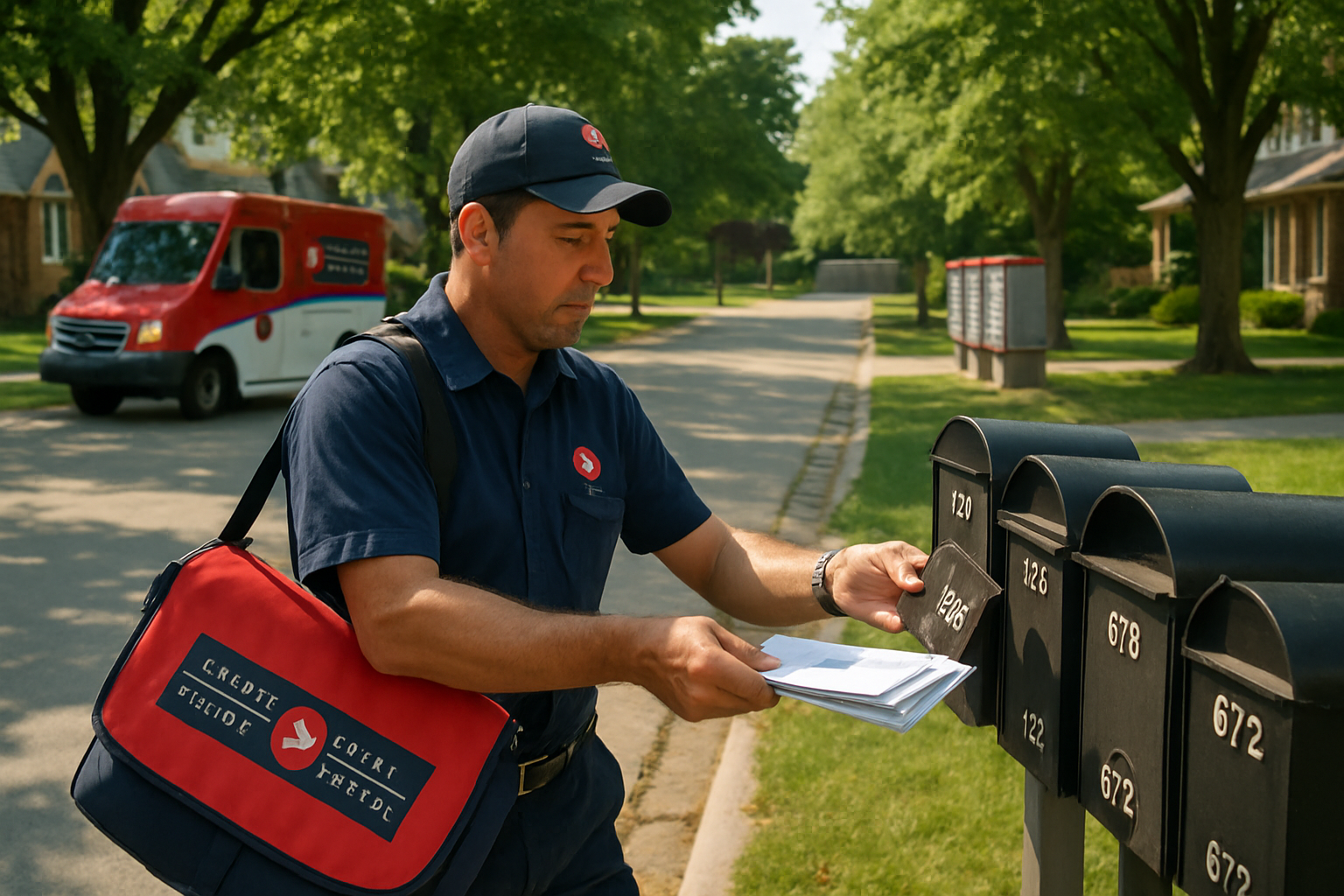
Canada Post has announced the first 136,000 addresses that will lose door-to-door mail delivery as part of a comprehensive nationwide transition to community mailbox systems, representing the most significant change to Canadian postal services since Confederation.
The Crown corporation confirmed Thursday that 13 communities across Canada will be converted from traditional home delivery to centralized community mailboxes in late 2026 and early 2027, affecting hundreds of thousands of households currently receiving mail at their front doors.
Scope and Scale of the Transformation
This announcement represents the implementation of Canada Post's previously outlined strategy to eliminate door-to-door mail delivery in favor of community mailbox systems. The transition affects millions of households nationwide that currently receive home delivery, representing the most comprehensive postal service transformation in Canadian history.
According to Canada Post's implementation plan, community mailboxes are centralized clusters serving 15-30 households each with locked compartments and integrated parcel lockers. The phased rollout begins in urban centers before expanding to suburban and then rural communities over multiple years.
The postal service has committed to providing six-month advance notification to affected communities, along with community consultation processes to address local concerns and logistics.
Accessibility and Special Provisions
Recognizing the significant impact on vulnerable populations, Canada Post has outlined special arrangements for mobility-challenged residents, elderly citizens, and those with medical needs through alternative delivery options or assisted pickup services.
The new community mailbox installations will be required to meet strict accessibility standards including wheelchair-accessible units, adequate lighting, snow clearance protocols, and clear pathways. The corporation is conducting ongoing consultation with disability advocacy groups to ensure the transition maintains service equity.
"We are committed to ensuring that all Canadians continue to receive reliable postal service, regardless of their physical abilities or circumstances. The new community mailbox systems will be designed with accessibility as a core principle."
— Canada Post spokesperson
Community Response and Challenges
The announcement has generated mixed reactions across affected communities. Supporters cite improved security and reliability benefits of community mailboxes, while critics express concerns about accessibility and weather exposure, particularly during Canada's harsh winter months.
Rural communities face unique implementation challenges due to lower population density and greater distances between households. Indigenous communities are receiving specialized consultation to address their specific needs and concerns about service changes.
The conversion represents a significant shift for Canadian families accustomed to door-to-door service, requiring adjustments to daily routines and potentially creating challenges for elderly residents and those with mobility limitations.
Economic and Workforce Impact
Canada Post has emphasized that workforce adjustments will be handled through attrition and redeployment rather than layoffs, though the transition will affect thousands of letter carriers nationwide. The cost savings generated by community mailboxes are intended to address Canada Post's ongoing financial challenges while maintaining universal postal service obligations.
The economic rationale centers on operational efficiency gains and reduced delivery costs per household, which Canada Post argues are necessary to ensure long-term sustainability of postal services across the country.
Historical Context and Global Trends
Community mailboxes have existed in Canada since the 1980s for new developments, currently covering approximately one-third of Canadian addresses. However, the current plan represents the first comprehensive nationwide transition affecting existing door-to-door service areas.
The transformation aligns with global postal modernization trends as postal services worldwide adapt to declining letter volumes while managing increased e-commerce parcel delivery demands. Many international postal services have implemented similar centralized delivery systems to improve operational efficiency.
Implementation Timeline and Next Steps
The conversion of the first 136,000 addresses will begin in late 2026, with the full nationwide transition expected to span several years. Canada Post will provide detailed implementation schedules for each affected community, including specific timelines for mailbox installation and service transition dates.
The corporation has committed to extensive community outreach programs to educate residents about the new system and address concerns before conversion begins. This includes information sessions, printed materials, and online resources to help households prepare for the change.
As this historic transformation unfolds, the success of the initial conversions will likely influence the pace and approach for subsequent phases of the nationwide program, making these first 13 communities crucial test cases for Canada Post's ambitious modernization effort.