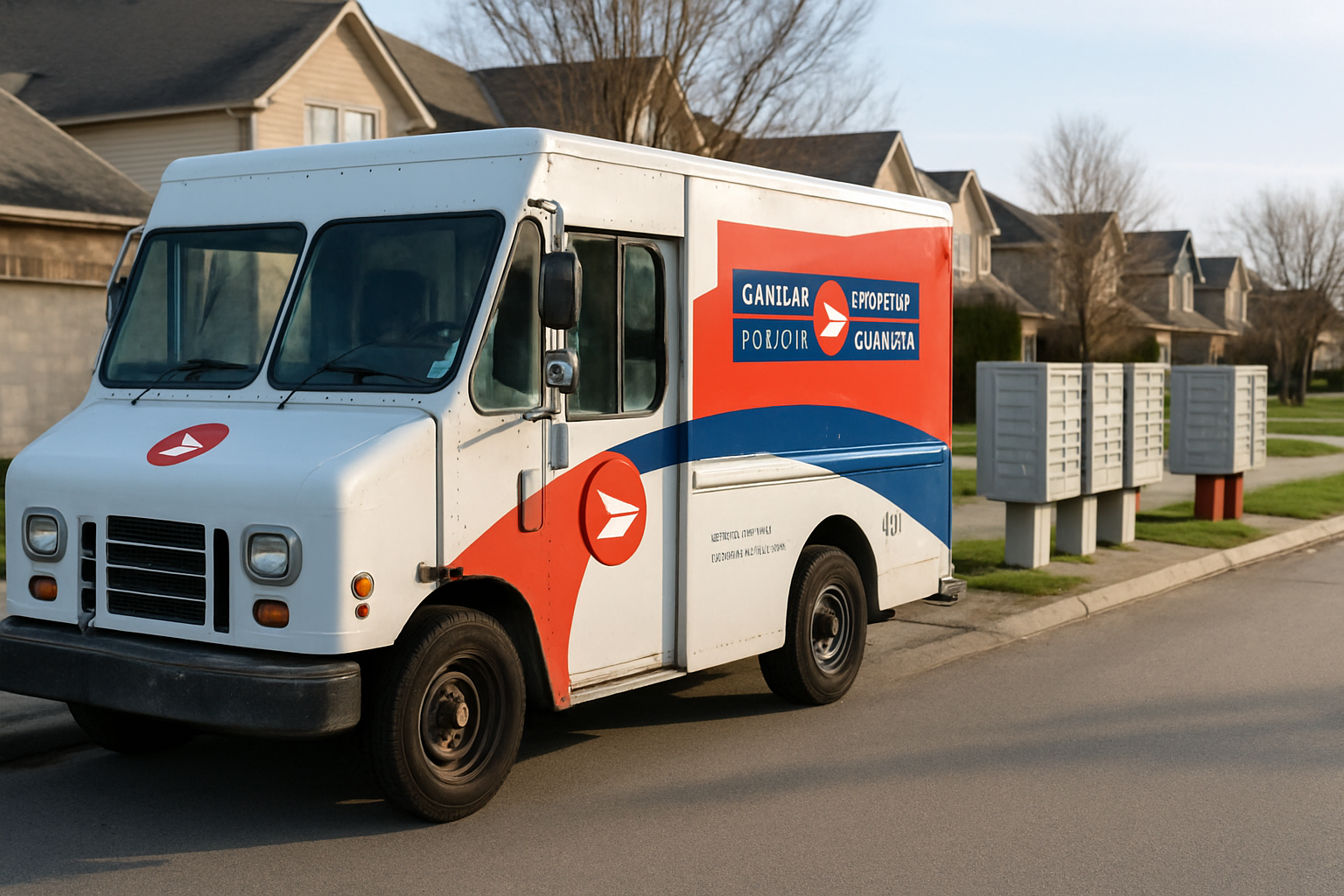
Canada Post has announced a transformative shift in its delivery model, planning to eliminate door-to-door mail delivery nationwide in favor of community mailbox systems, ending a cherished Canadian tradition that has served households for over a century.
The Crown corporation's decision represents the most significant change to Canadian postal services since Confederation, affecting millions of households currently receiving mail directly at their front doors. The transition will see the installation of centralized community mailbox clusters throughout residential neighborhoods, fundamentally altering how Canadians interact with their postal system.
Understanding the Community Mailbox System
Community mailboxes are centralized clusters of locked mail compartments strategically located within residential areas, typically serving 15-30 households per installation. These metal structures, already familiar to residents in many newer subdivisions, will become the standard across Canada as the crown corporation phases out individual home delivery.
Each household will receive a designated mailbox key and be assigned a specific compartment within their neighborhood cluster. For packages too large for standard compartments, a separate parcel locker system will be integrated into each community mailbox installation, with recipients receiving a secure key for pickup.
The transition addresses mounting operational challenges Canada Post has faced in recent years, including rising delivery costs, an aging workforce, and the need to modernize infrastructure for changing postal demands. Rural and urban areas will see different implementation timelines, with densely populated regions prioritized for early conversion.
Historical Context and Previous Attempts
This announcement builds upon previous initiatives to modernize Canada's postal infrastructure. The community mailbox concept was initially introduced in the 1980s for new residential developments, gradually expanding to encompass approximately one-third of Canadian addresses. However, the current plan represents the first comprehensive nationwide transition affecting all remaining door-to-door delivery routes.
The decision comes amid broader postal service transformations witnessed globally, as national postal systems adapt to declining letter volumes and increased parcel delivery demands driven by e-commerce growth. Canada Post joins several international postal services that have successfully implemented centralized delivery models while maintaining service quality.
Implementation Timeline and Process
The phased rollout will begin in urban centers before expanding to suburban and eventually rural communities. Canada Post has indicated the transition will occur over multiple years to ensure adequate consultation with communities and proper infrastructure installation.
Local communities will receive advance notification approximately six months before their area's conversion date. This notification period will include community meetings, information sessions, and consultation opportunities to address specific neighborhood concerns and optimal mailbox placement.
Special provisions are being developed for residents with mobility challenges, elderly citizens, and individuals with specific medical needs that may complicate mailbox access. Alternative arrangements, including continued home delivery or assisted pickup services, will be available through application processes.
Community Response and Concerns
The announcement has generated mixed reactions across Canadian communities. Supporters argue the system will improve mail security, reduce delivery delays during adverse weather, and provide more reliable service through centralized collection points. Community mailboxes also offer enhanced package delivery capabilities with integrated parcel lockers.
Critics express concerns about accessibility for elderly residents, individuals with disabilities, and those living in areas where community mailbox placement may require significant walking distances. Winter weather conditions present additional challenges, as recipients will need to travel to outdoor mailbox locations regardless of weather conditions.
"This change affects how millions of Canadians have received mail for generations. While modernization is necessary, we must ensure no community is left behind in this transition."
— Community advocacy representative
Accessibility and Special Considerations
Canada Post has committed to developing comprehensive accessibility protocols for the community mailbox transition. These include installation of wheelchair-accessible units, ensuring adequate lighting and snow clearance around installations, and maintaining clear pathways for year-round access.
For residents unable to access community mailboxes due to mobility limitations or medical conditions, alternative service arrangements will include flex delivery options, designated pickup locations at postal facilities, and continued home delivery in exceptional circumstances through medical certification processes.
The corporation is also consulting with disability advocacy groups to ensure community mailbox designs meet universal accessibility standards and comply with federal accessibility legislation requirements.
Economic and Operational Impacts
The transition to community mailboxes represents a significant operational restructuring for Canada Post, affecting thousands of letter carriers nationwide. The corporation has indicated that workforce adjustments will occur through attrition and redeployment rather than layoffs, with affected employees offered training for other postal service roles.
Estimated cost savings from the community mailbox transition will help address Canada Post's ongoing financial challenges while maintaining universal service obligations. The modernization is expected to improve delivery efficiency and reduce operational costs associated with individual home visits.
Local businesses and service providers may experience indirect impacts as community mailbox installations potentially influence foot traffic patterns and neighborhood dynamics. Some communities anticipate increased social interaction around mailbox locations, while others express concerns about clustering effects.
Security and Safety Measures
Enhanced security features distinguish community mailbox systems from traditional home delivery. Each compartment requires individual key access, reducing mail theft opportunities compared to unsecured doorstep delivery. Integrated parcel lockers provide secure package storage, addressing growing concerns about package theft affecting home delivery.
Canada Post will implement surveillance systems around community mailbox installations where warranted, alongside improved lighting and clear sightlines to enhance user safety. Regular maintenance schedules will ensure locks, lighting, and accessibility features remain functional throughout all seasons.
Community safety protocols include strategic placement away from traffic hazards, adequate parking or walking access, and consultation with local law enforcement to identify optimal security configurations for each neighborhood.
Rural and Remote Community Considerations
Rural communities present unique challenges for community mailbox implementation, given lower population densities and greater distances between households. Canada Post is developing specialized rural delivery models that may include modified community mailbox configurations or hybrid systems maintaining some home delivery elements.
Remote communities with challenging geographic conditions or extreme weather may qualify for exemptions or alternative service arrangements. Indigenous communities will receive specific consultation to ensure postal service changes respect cultural considerations and maintain essential communication links.
The corporation acknowledges that rural implementation will require more flexible approaches compared to urban and suburban transitions, with timeline adjustments based on community-specific factors and infrastructure requirements.
Looking Forward: A New Era for Canadian Mail
Canada Post's transition to community mailboxes represents more than operational change—it signals a fundamental transformation in how Canadians connect with their postal system. While the shift away from door-to-door delivery marks the end of a cherished tradition, the modernization aims to create a more sustainable, secure, and efficient postal service for future generations.
The success of this unprecedented transition will depend largely on community engagement, accessibility provisions, and Canada Post's ability to address legitimate concerns while implementing necessary operational changes. As Canadian communities adapt to this new reality, the community mailbox system may ultimately prove to enhance rather than diminish the postal service experience.
For millions of Canadians, the morning routine of checking mail at the front door will soon become a community experience at neighborhood mailbox clusters—representing not just a change in delivery method, but a transformation in the social fabric of Canadian postal tradition.