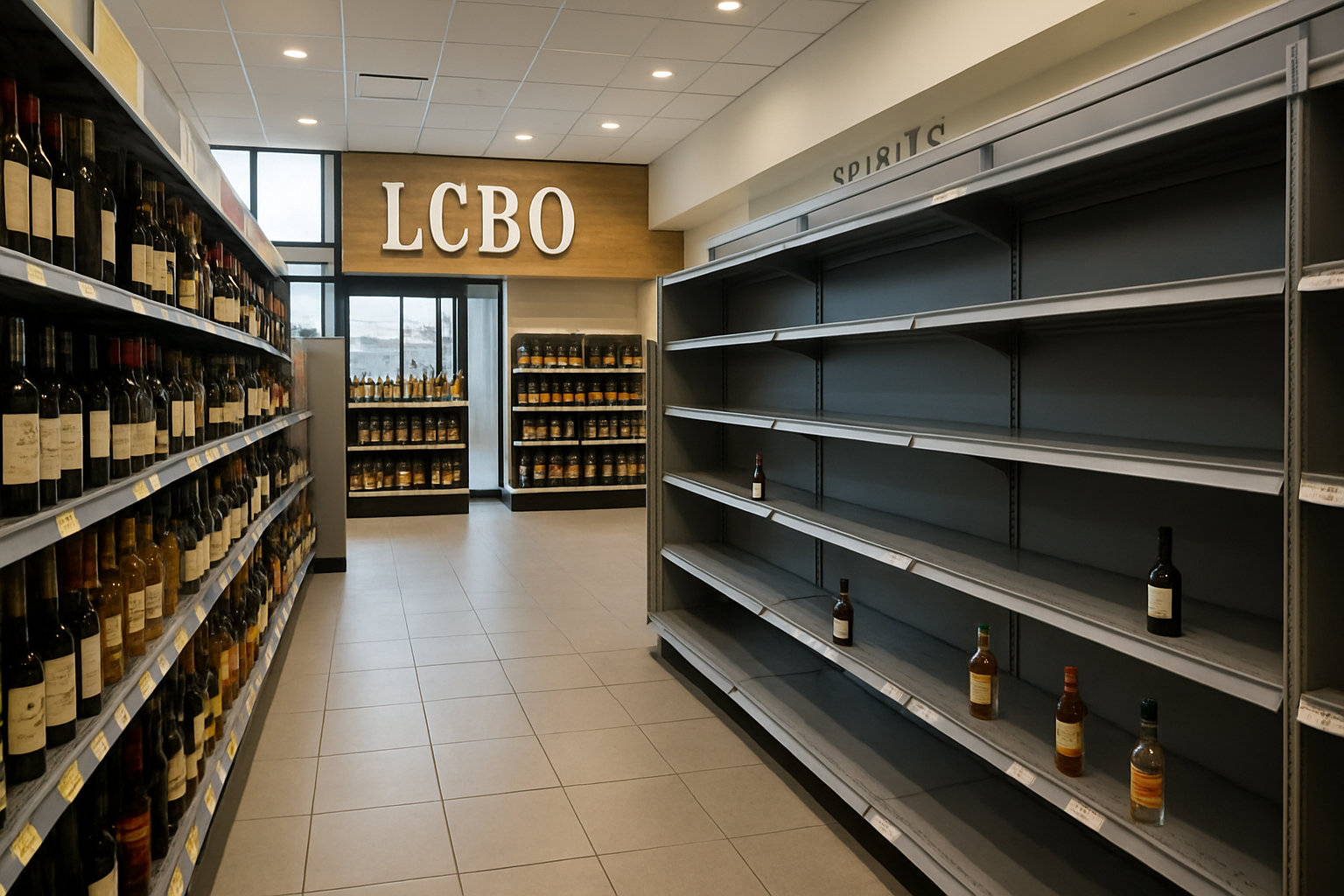
Canadians are purchasing significantly less alcohol, driving the largest annual decline in beer, wine, spirits and cider sales in the 20 years Statistics Canada has been tracking comprehensive beverage data, according to a new federal report released this week.
The unprecedented drop marks a pivotal moment in Canadian consumer behavior, representing not just a temporary downturn but potentially a fundamental shift in the nation's relationship with alcohol consumption. The Statistics Canada data reveals declining sales across all major alcohol categories, suggesting this trend extends beyond any single demographic or geographic region.
Historic Scale of Decline
The magnitude of the sales decrease surpasses any previous annual decline recorded since Statistics Canada began systematic tracking of alcohol retail data in 2006. This 20-year comparison provides robust evidence that current consumption patterns represent an extraordinary departure from historical norms rather than typical market fluctuation.
Industry analysts point to multiple converging factors contributing to this dramatic shift. The decline encompasses beer, wine, spirits, and cider equally, indicating broad-based changes in Canadian drinking preferences rather than substitution between alcohol types.
Broader Context and Contributing Factors
The Canadian alcohol consumption decline occurs within a broader international context of changing attitudes toward alcohol. Recent medical research, including Swedish laboratory studies on GLP-1 receptor agonists, has demonstrated these weight-loss medications can significantly reduce alcohol consumption, potentially contributing to decreased demand among the growing population using these treatments.
Additionally, the trend aligns with documented lifestyle changes following the pandemic period, including increased health consciousness, remote work patterns affecting social drinking occasions, and rising costs of living prompting consumers to reduce discretionary spending on alcohol.
Economic Implications for the Industry
The substantial decline in alcohol sales creates significant challenges for Canada's beverage industry, retailers, and hospitality sector. Major international brewing companies have already begun adjusting their workforce and strategies in response to changing global consumption patterns, with companies like Heineken reducing staff by 6,000 positions over two years while pivoting toward non-alcoholic alternatives.
Canadian provincial liquor control boards, including the LCBO in Ontario, face revenue pressures as alcohol sales typically generate substantial government income through taxation and retail operations. The decline may necessitate budget adjustments and operational restructuring across multiple provinces.
"This represents the most significant shift in Canadian alcohol consumption patterns we've documented in the modern era."
— Statistics Canada Analyst
Health and Social Implications
Public health experts view the declining alcohol consumption as potentially beneficial for Canadian population health outcomes. Reduced alcohol consumption correlates with lower rates of liver disease, certain cancers, cardiovascular problems, and alcohol-related accidents and violence.
The trend also reflects changing social norms, particularly among younger Canadians who increasingly prioritize wellness, fitness, and mental health over traditional drinking-centered social activities. This generational shift may represent a permanent alteration in Canadian drinking culture rather than a temporary adjustment.
Regional and Demographic Variations
While Statistics Canada reports nationwide decline, regional variations likely exist across provinces and territories. Urban versus rural consumption patterns, age demographics, income levels, and cultural backgrounds all influence local alcohol purchasing behaviors.
The data suggests this decline affects all major alcohol categories equally, indicating the change transcends specific beverage preferences and represents broader lifestyle modifications across Canadian society.
Industry Adaptation Strategies
Alcohol retailers and producers are increasingly investing in non-alcoholic alternatives, premium products for occasional consumption, and experience-based offerings rather than volume sales. The shift mirrors international trends where quality over quantity becomes the dominant consumer preference.
Provincial liquor boards are exploring diversification strategies, including expanded non-alcoholic beverage selections, cannabis products where legally permitted, and enhanced retail experiences to maintain revenue despite declining traditional alcohol sales.
Long-term Outlook
The Statistics Canada data suggests this consumption decline may represent a permanent shift rather than a temporary adjustment. Factors including health consciousness, economic pressures, changing social norms, and potential medical interventions affecting alcohol cravings indicate the trend could continue or stabilize at these lower levels.
For policymakers, the decline presents both challenges and opportunities. Reduced alcohol consumption may decrease healthcare costs and social problems while requiring adjustments to taxation strategies and government revenue projections that traditionally relied on alcohol sales.
As Canadian drinking habits continue evolving, this historic 20-year low in alcohol sales marks a significant milestone in the nation's relationship with alcohol, potentially setting the stage for continued transformation in beverage consumption patterns throughout the decade.