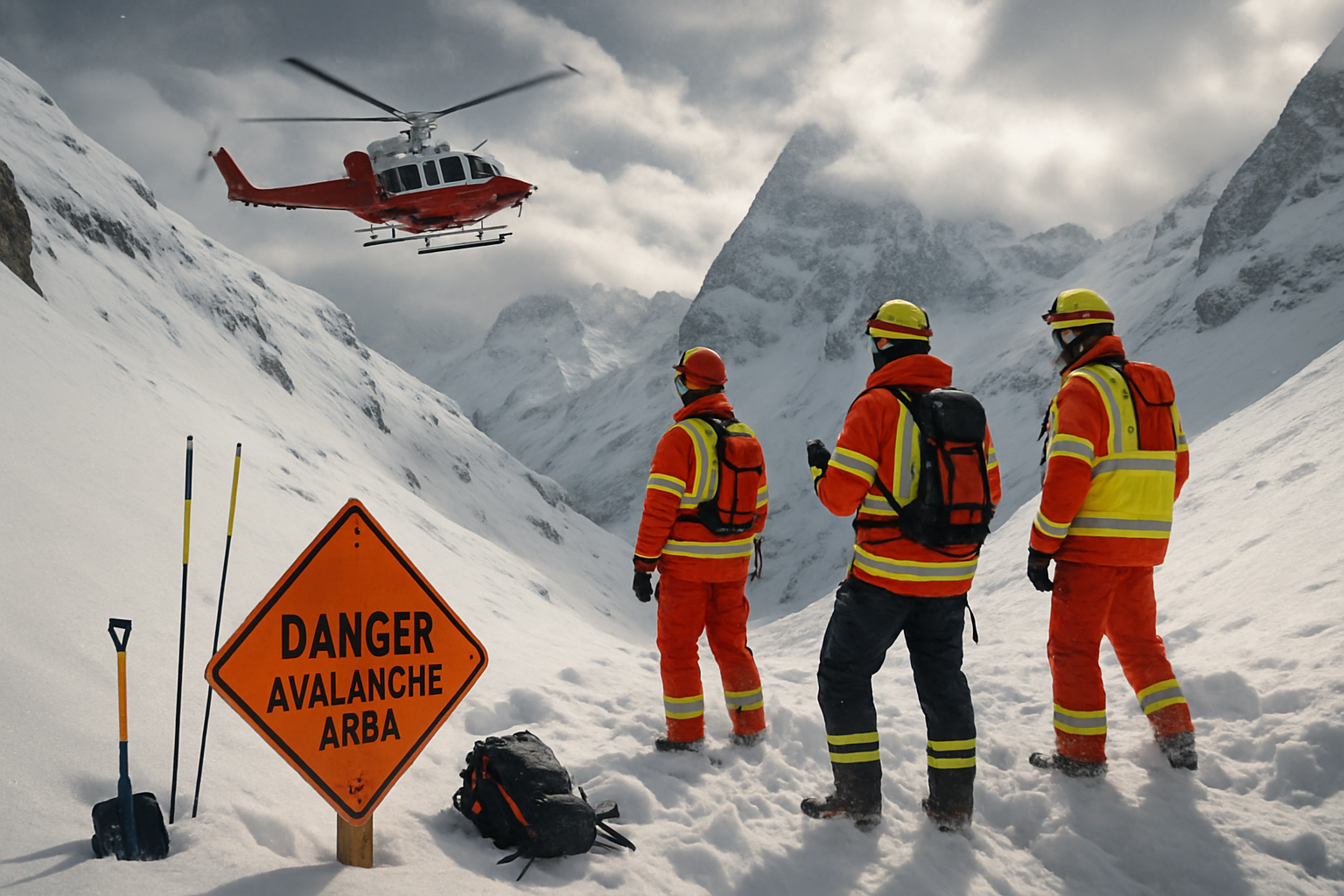
A snowmobiler has died in a British Columbia avalanche at Kootenay Pass, prompting urgent safety warnings from forecasters who are alerting recreational users of extremely high avalanche risks across the province's backcountry regions.
The fatal incident occurred Saturday in the Kootenay Pass area of B.C.'s Interior, according to reports from emergency services. While details of the victim and circumstances remain limited, the tragedy has reignited concerns about dangerous snow conditions that have persisted throughout the region during what experts describe as a particularly hazardous winter season.
Extreme Avalanche Conditions Persist
Avalanche forecasting services across British Columbia have issued warnings about extremely dangerous conditions in backcountry areas, with unstable snow layers creating high-risk scenarios for anyone venturing into mountainous terrain. The combination of recent snowfall, temperature fluctuations, and wind loading has created what experts describe as a "perfect storm" for avalanche activity.
The Kootenay Pass area, located along the British Columbia-Alberta border, is known for its challenging terrain and variable snow conditions. The region's steep slopes and exposure to Pacific storm systems create conditions that can rapidly shift from stable to dangerous, making it particularly hazardous for recreational users.
Emergency response teams mobilized quickly to the scene, but dangerous conditions likely complicated rescue efforts. The incident serves as a stark reminder that even experienced backcountry users face significant risks when avalanche conditions deteriorate.
Part of Global Avalanche Crisis
This latest British Columbia fatality comes amid what has been described as one of the most deadly avalanche seasons on record globally. European Alps have recorded more than 60 avalanche deaths this winter season alone, with incidents claiming lives in Austria, France, Italy, and Switzerland.
In North America, the California Castle Peak avalanche in February claimed nine lives in what became the deadliest U.S. avalanche incident in 45 years. The global pattern of increased avalanche fatalities has been attributed to a combination of factors including extreme weather conditions, increased backcountry recreation participation, and what experts describe as unprecedented snow instability.
"We're seeing conditions that challenge even the most experienced avalanche professionals. The snow layers are creating scenarios that are difficult to predict and extremely dangerous."
— Avalanche Safety Expert
The current winter season has been characterized by successive storm systems that have created layered, unstable snow conditions. These layers can remain dormant for days or weeks before being triggered by the weight of a single person, making avalanche prediction particularly challenging.
Backcountry Recreation Risks
The tragic death highlights the inherent risks of backcountry snowmobiling, skiing, and other winter recreation activities in mountainous terrain. While modern avalanche safety equipment including transceivers, probes, and shovels have improved rescue capabilities, prevention remains the most effective safety strategy.
Avalanche education programs emphasize the importance of checking daily avalanche bulletins, traveling with properly trained partners, carrying appropriate safety equipment, and making conservative terrain choices when conditions are unstable. However, the dynamic nature of avalanche conditions means that even well-prepared individuals can encounter unexpected dangers.
The growth of backcountry recreation, particularly following the COVID-19 pandemic, has increased the number of people exposed to avalanche terrain. This trend, combined with challenging snow conditions, has contributed to the elevated number of avalanche incidents across North America and Europe.
Emergency Response Challenges
Search and rescue operations in avalanche terrain present unique challenges for emergency responders. Dangerous conditions that trigger initial avalanches often persist, creating ongoing risks for rescue teams. Weather conditions, including storm systems and limited visibility, can further complicate response efforts.
The remote nature of many backcountry areas adds logistical challenges, requiring helicopter access that may be limited by weather conditions. Emergency services emphasize that the best avalanche rescue is prevention through education, proper equipment, and conservative decision-making.
Mountain rescue organizations across British Columbia maintain specialized avalanche response capabilities, but the dangerous conditions that create avalanche hazards also limit the ability to conduct immediate rescue operations. Teams must carefully assess ongoing risks before deploying personnel into potentially unstable terrain.
Climate and Weather Factors
The extreme avalanche conditions this season coincide with broader patterns of weather volatility that have affected mountain regions globally. Temperature fluctuations, intense storm systems, and rapid weather changes have created snow conditions that are particularly difficult to assess and predict.
While the current winter has produced excellent snow conditions for resort skiing, the same weather patterns that create deep powder also contribute to avalanche instability in backcountry areas. The contrast between controlled resort environments and unmanaged backcountry terrain becomes particularly stark during periods of high avalanche danger.
Meteorological factors including wind direction, precipitation intensity, and temperature gradients all contribute to avalanche formation. The complex interaction of these factors makes avalanche forecasting both a science and an art, requiring continuous monitoring and assessment of changing conditions.
Safety Recommendations
Avalanche safety experts are urging all backcountry users to exercise extreme caution and follow established safety protocols. Key recommendations include:
- Check daily avalanche bulletins before venturing into backcountry terrain
- Travel with partners trained in avalanche rescue techniques
- Carry appropriate safety equipment including transceivers, probes, and shovels
- Choose conservative terrain that matches current avalanche conditions
- Consider postponing trips when avalanche danger is elevated
Professional avalanche education courses are strongly recommended for anyone planning to spend time in avalanche terrain. These courses provide essential skills for hazard assessment, safe travel techniques, and emergency response procedures that can be lifesaving in critical situations.
Looking Forward
The British Columbia avalanche fatality serves as a sobering reminder of the serious risks associated with backcountry winter recreation. As investigation into the incident continues, the focus remains on preventing future tragedies through education, awareness, and responsible decision-making in avalanche terrain.
Avalanche forecasting services will continue monitoring conditions throughout the region, providing critical safety information to help backcountry users make informed decisions. The collaboration between forecasters, emergency services, and the recreation community remains essential for minimizing avalanche risks while allowing people to safely enjoy British Columbia's spectacular mountain environments.
The tragedy underscores the need for continued vigilance and respect for mountain environments, particularly during periods of elevated avalanche danger. While the risks cannot be eliminated entirely, proper preparation, education, and conservative decision-making can significantly reduce the likelihood of avalanche incidents in Canada's backcountry areas.