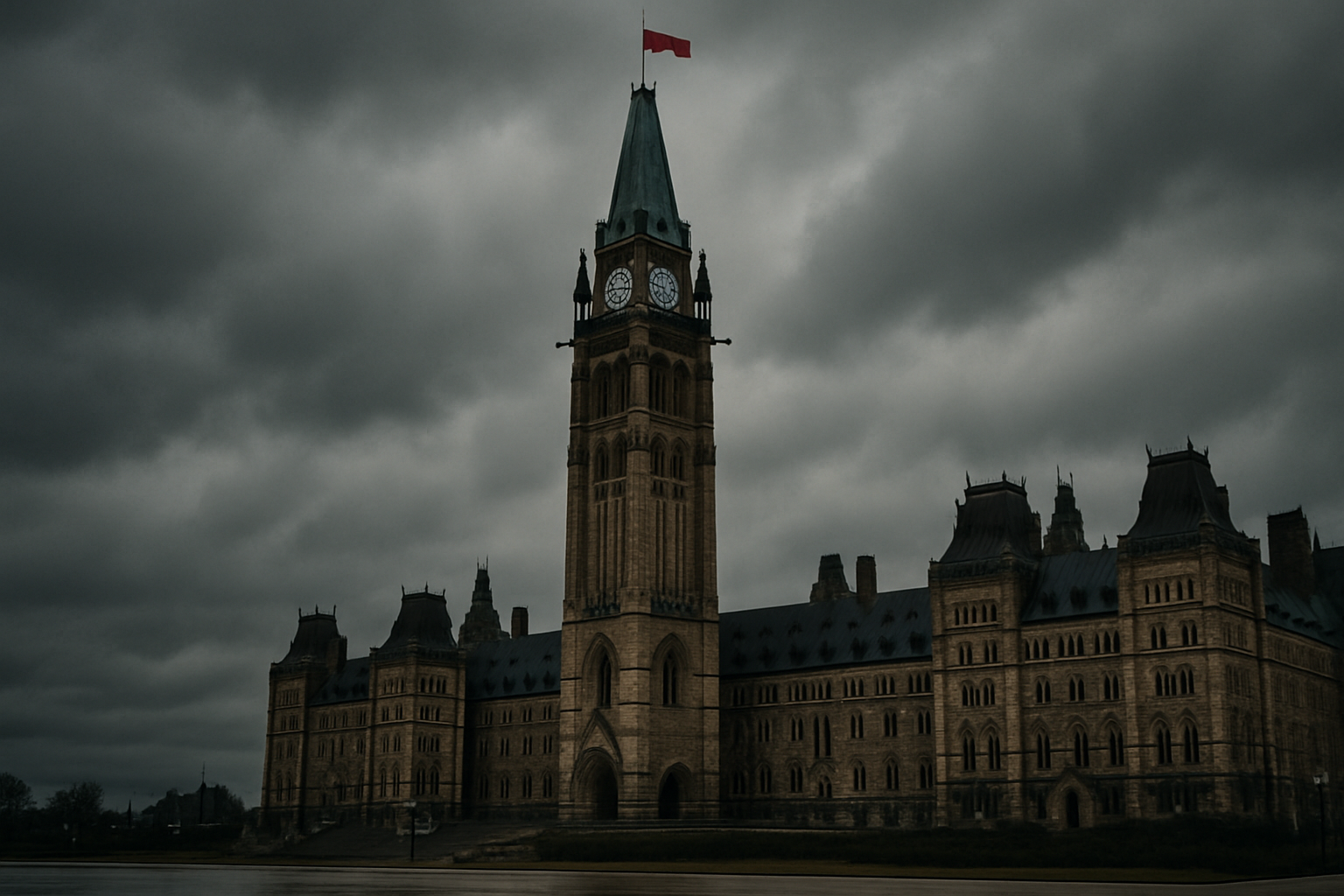
A major immigration reform bill has become law in Canada after a week that saw a scathing auditor general's report find the federal Immigration Department has failed to act on fraud in its international student program, raising significant concerns about potential rollbacks in refugee rights and due process protections.
The legislation, which received royal assent on March 30, 2026, grants Immigration, Refugees and Citizenship Canada (IRCC) expanded powers to combat fraud while implementing stricter oversight mechanisms across various immigration streams. However, refugee advocacy groups and legal experts warn that some provisions could undermine fundamental protections for asylum seekers and vulnerable migrants.
Context of the Reform
The immigration reform comes in the wake of Auditor General Karen Hogan's damning report that revealed extensive fraud within Canada's international student program during the tenure of former Immigration Minister Sean Fraser, who now serves as Justice Minister. The Opposition Conservatives have demanded resignations over what they characterize as systematic exploitation of legal immigration channels.
Minister Lena Metlege Diab, who currently leads Immigration, Refugees and Citizenship Canada, has faced mounting pressure to address these vulnerabilities while managing Canada's complex immigration system during a period of global migration challenges.
The reform legislation addresses several key areas identified in the auditor general's findings, including enhanced verification processes for educational institutions, stricter monitoring of student visa compliance, and expanded authority for immigration officials to investigate suspected fraud cases.
Key Provisions and Concerns
While the government emphasizes the bill's role in protecting program integrity, critics have raised alarm about several provisions that could impact refugee protections. The legislation includes expanded detention powers, accelerated processing procedures that may limit appeal rights, and enhanced information-sharing capabilities between immigration and security agencies.
Legal experts point to concerning parallels with restrictive immigration trends observed globally, including the UK's recent implementation of country-specific emergency visa restrictions and the European Union's shift toward deterrence-focused asylum policies. In February 2026, the European Parliament approved historic changes allowing deportation to "safe" third countries, representing a fundamental departure from protection-based principles.
Immigration lawyer associations have particularly criticized provisions that allow for expedited removal procedures in certain fraud cases, arguing that legitimate refugees fleeing persecution could be caught in the expanded enforcement net without adequate due process protections.
Broader Immigration Policy Context
The Canadian reforms occur within a complex global immigration landscape. Recent memory includes several significant policy shifts that provide important context for understanding the potential implications of Canada's new legislation.
In March 2026, Canada experienced its first annual population decline since Confederation in 1867, coinciding with a devastating employment crisis that saw 84,000 jobs lost in February alone, pushing unemployment to 6.7%. These demographic and economic pressures have intensified debates over immigration levels and program effectiveness.
International examples have shown how immigration reforms intended to address fraud can have unintended consequences for legitimate applicants. The Trump administration's expanded immigration enforcement in the United States has resulted in systematic challenges for both documented and undocumented immigrants, with federal courts increasingly requiring warrants for ICE arrests and civil rights organizations filing numerous constitutional challenges.
Similarly, European nations have implemented increasingly restrictive approaches, with enhanced cooperation mechanisms enabling smaller member state groups to advance policies without unanimous consent, effectively bypassing traditional humanitarian safeguards.
Refugee Rights and Due Process Concerns
Refugee advocacy organizations have expressed particular concern about provisions that could impact asylum seekers' access to fair hearings and legal representation. The Canadian Council for Refugees warned that expanded detention powers and accelerated processing timelines could disproportionately affect vulnerable populations, including trauma survivors and individuals from countries experiencing active conflicts.
The timing of these reforms is especially significant given global displacement pressures. With 19 consecutive months of global temperatures exceeding 1.5°C above pre-industrial levels, climate-induced displacement is creating unprecedented migration flows that traditional refugee categories struggle to accommodate.
Legal challenges to the legislation are anticipated, with constitutional experts questioning whether certain provisions adequately balance security concerns with Charter rights protections. The experience of other democracies suggests that overly broad enforcement powers can lead to systematic violations of international refugee law principles, particularly the fundamental principle of non-refoulement.
International Student Program Reforms
Central to the new legislation are comprehensive reforms to the international student program, which has become a significant source of immigration to Canada. The auditor general's findings revealed that fraudulent applications and inadequate oversight had compromised program integrity, necessitating substantial structural changes.
The reforms include enhanced verification requirements for designated learning institutions, mandatory reporting mechanisms for suspicious activities, and expanded authority for immigration officials to conduct unannounced inspections. These measures aim to prevent the type of systematic abuse documented in the auditor general's report.
However, genuine international students and educational institutions have raised concerns about increased bureaucratic burdens and processing delays that could affect Canada's competitiveness in the global education market. With other countries like Australia also implementing restrictive measures targeting international students, there are concerns about a race to the bottom in educational migration policies.
Enforcement and Implementation Challenges
The successful implementation of the new immigration powers will depend heavily on adequate resources and training for IRCC officials. Past experience with immigration reform suggests that insufficient implementation support can lead to inconsistent application of new rules and potential violations of individual rights.
The legislation provides for enhanced coordination between immigration authorities and law enforcement agencies, building on existing frameworks but expanding information-sharing capabilities. This approach mirrors trends observed in other jurisdictions, where immigration enforcement has become increasingly integrated with broader security operations.
Critics worry that this integration could lead to the criminalization of immigration violations that were previously handled through administrative procedures, potentially exposing vulnerable migrants to harsh penalties for technical infractions.
Political and Economic Implications
The immigration reform represents a significant political test for the current government, which must balance competing pressures from various constituencies. Economic interests favor continued high immigration levels to address labor shortages, while public opinion has shown growing concern about system integrity and fraud.
The recent economic challenges facing Canada, including the historic job losses and population decline, have created additional complexity for immigration policy. The government must demonstrate that its immigration system serves both humanitarian objectives and economic interests while maintaining public confidence in program administration.
Opposition parties have used the fraud revelations to question the government's overall competence in immigration management, making effective implementation of the reforms politically crucial for the ruling party's prospects in future elections.
Looking Forward: Implementation and Oversight
As the new immigration law takes effect, close monitoring will be essential to ensure that anti-fraud measures do not compromise Canada's humanitarian commitments. The government has committed to regular reviews of the legislation's impact, with particular attention to its effects on refugee protection and due process rights.
International observers will be watching Canada's experience closely, as it could provide a model for other democratic nations seeking to balance immigration system integrity with humanitarian obligations. The success or failure of Canada's approach may influence similar policy debates worldwide.
The coming months will be critical in determining whether the reforms achieve their stated objectives of combating fraud while preserving Canada's reputation as a welcoming destination for legitimate immigrants and refugees. The true test of the legislation will be its implementation on the ground, where individual cases will determine whether the balance between security and rights has been appropriately struck.
Civil society organizations have indicated they will maintain close oversight of the law's application, prepared to challenge any implementation that appears to violate Charter rights or international refugee law obligations. This ongoing scrutiny will be essential to ensuring that Canada's immigration system continues to uphold the values and legal principles that have traditionally distinguished its approach to migration governance.