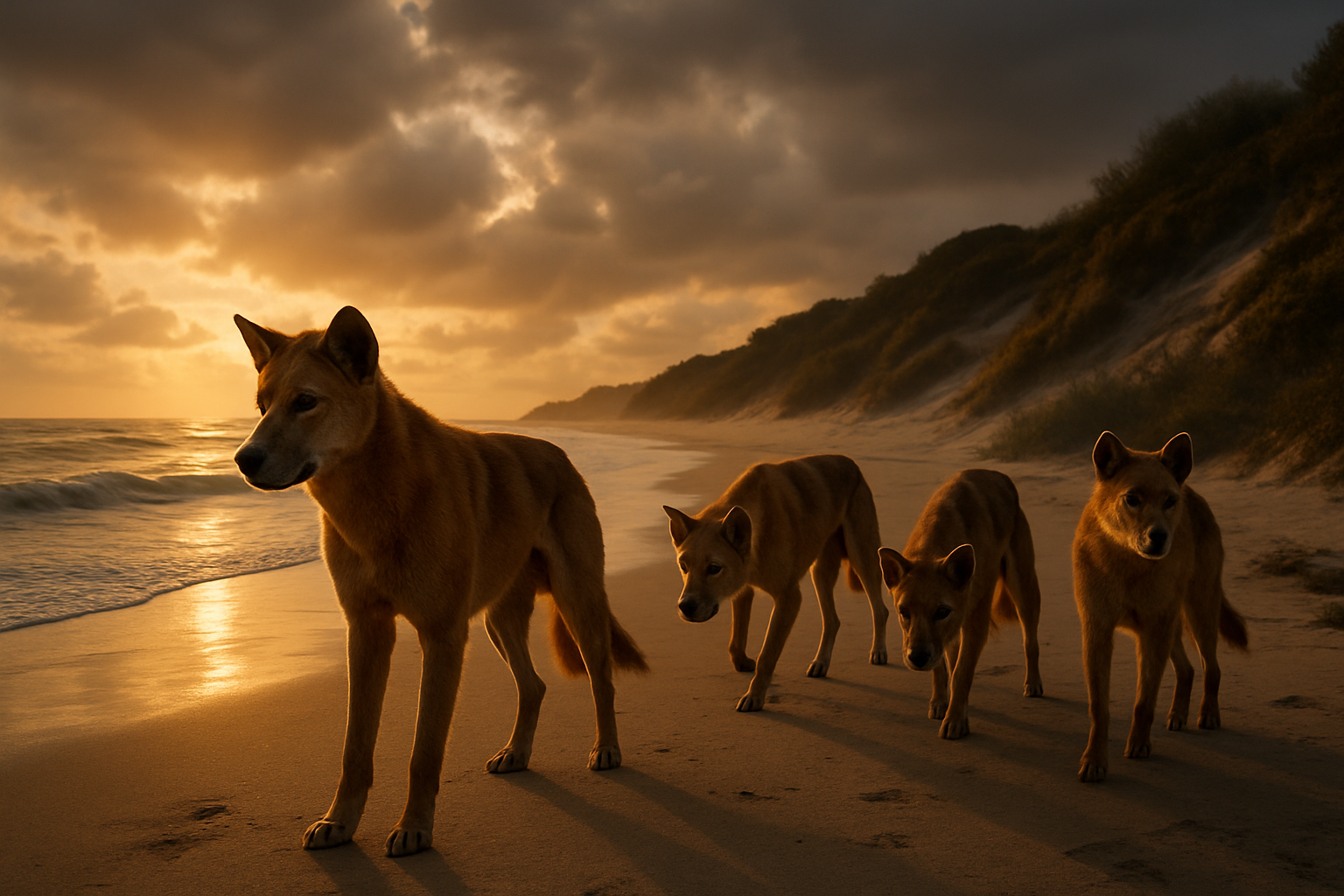
A Queensland coroner has determined that Canadian backpacker Piper James died from drowning after being forced into water by a pack of dingoes on K'gari Island, Australia's popular tourist destination formerly known as Fraser Island.
The 19-year-old from Campbell River, British Columbia, was found dead on the morning of January 19, 2026, near Orchid Beach, north of the Maheno Wreck. Her body was discovered with significant bite injuries and surrounded by a pack of dingoes, according to official reports from Queensland authorities.
James had told friends she was going for an early morning swim but never returned to her accommodation. The coroner's findings provide the first official determination of the circumstances that led to the tragic death of the young Canadian who had been working on the island as part of her backpacking journey through Australia.
Official Investigation Findings
The coroner's investigation concluded that James sustained injuries from the dingo attack that forced her into the water, ultimately leading to her drowning. The ruling represents a significant development in understanding what happened during those fatal morning hours on one of Australia's most renowned natural heritage sites.
K'gari, a World Heritage-listed sand island off the Queensland coast, is home to one of Australia's purest populations of dingoes. The island's dingo population is considered genetically distinct and plays a crucial ecological role in the island's ecosystem. However, human-dingo interactions have been a growing concern for park authorities and tourists alike.
The beach where James was found is located in a relatively remote section of the island, popular with backpackers and independent travelers seeking to experience K'gari's pristine wilderness areas.
Victim Background and Journey
Piper James had been working on K'gari as part of her Australian backpacking experience, a common rite of passage for young Canadians exploring Australia's working holiday opportunities. The island attracts thousands of international workers annually, particularly in tourism and hospitality sectors.
Family photographs released by The Globe and Mail show James with her parents Angela and Todd after her graduation ceremony, capturing happier times before her tragic Australian adventure. Friends and family described her as an adventurous spirit who embraced new experiences and cultures.
Her presence on K'gari reflected the strong ties between Canada and Australia, particularly the popularity of working holiday exchanges that allow young people to experience different countries while contributing to local economies.
Dingo Behavior and Island Safety
K'gari's dingo population is estimated at approximately 25-30 family groups, representing one of the most genetically pure populations in Australia. These native predators play a vital ecological role but have been involved in several serious incidents with humans over recent years.
Park authorities have long warned visitors about proper dingo safety protocols, including never feeding the animals, traveling in groups, and maintaining safe distances. However, dingoes on K'gari have become increasingly bold in their interactions with humans, particularly around camping and accommodation areas.
The animals are naturally curious and opportunistic, leading to potentially dangerous encounters when visitors fail to follow safety guidelines or when dingoes exhibit aggressive territorial behavior.
"This tragic incident reminds us of the wild nature of K'gari and the importance of respecting the island's native wildlife."
— Queensland Parks and Wildlife Official
Tourism Industry Impact
The coroner's ruling is likely to prompt renewed discussions about safety protocols for international visitors to K'gari, particularly young backpackers who may have limited experience with Australian wildlife.
K'gari attracts over 350,000 visitors annually, generating significant tourism revenue for the Fraser Coast region. The island's unique ecosystem, including its dingo population, pristine beaches, and rainforest lakes, makes it one of Queensland's premier eco-tourism destinations.
Tourism operators and park authorities will likely face increased pressure to enhance safety briefings and implement additional protective measures for visitors, particularly those camping or staying in remote areas of the island.
International Implications
The death of Piper James has resonated strongly in Canada, where her story has been covered extensively by major news outlets including The Globe and Mail and CBC News. The tragedy highlights the risks faced by young Canadians participating in working holiday programs abroad.
Canadian consular officials worked closely with Australian authorities throughout the investigation, ensuring proper support for James's family during the difficult process. The case may prompt enhanced safety advisories for Canadian citizens considering working holiday opportunities in Australia's more remote tourism destinations.
The incident also underscores the challenges faced by popular eco-tourism destinations in balancing conservation of native species with visitor safety, a dilemma faced by wildlife destinations globally.
Ongoing Conservation Challenges
The coroner's findings come at a time when K'gari faces multiple environmental pressures, including increased visitor numbers, climate change impacts, and the complex challenge of managing human-wildlife interactions.
Dingo conservation on K'gari represents a delicate balance between protecting this genetically important population and ensuring visitor safety. Any management response to James's death will need to consider both human safety and the ecological importance of maintaining the island's natural predator population.
Environmental groups and wildlife experts will be watching closely to ensure that enhanced safety measures don't compromise the conservation values that make K'gari a World Heritage site.
Looking Forward
As authorities consider potential changes to safety protocols and visitor management, the memory of Piper James serves as a sobering reminder of the real dangers that can exist in Australia's pristine wilderness areas.
Her death, while tragic, may lead to improved safety measures that could prevent similar incidents while still allowing future generations of international visitors to experience the unique wonder of K'gari's natural environment.
The coroner's ruling provides closure for James's family while highlighting the ongoing need for vigilance and respect when encountering Australia's native wildlife in their natural habitats.