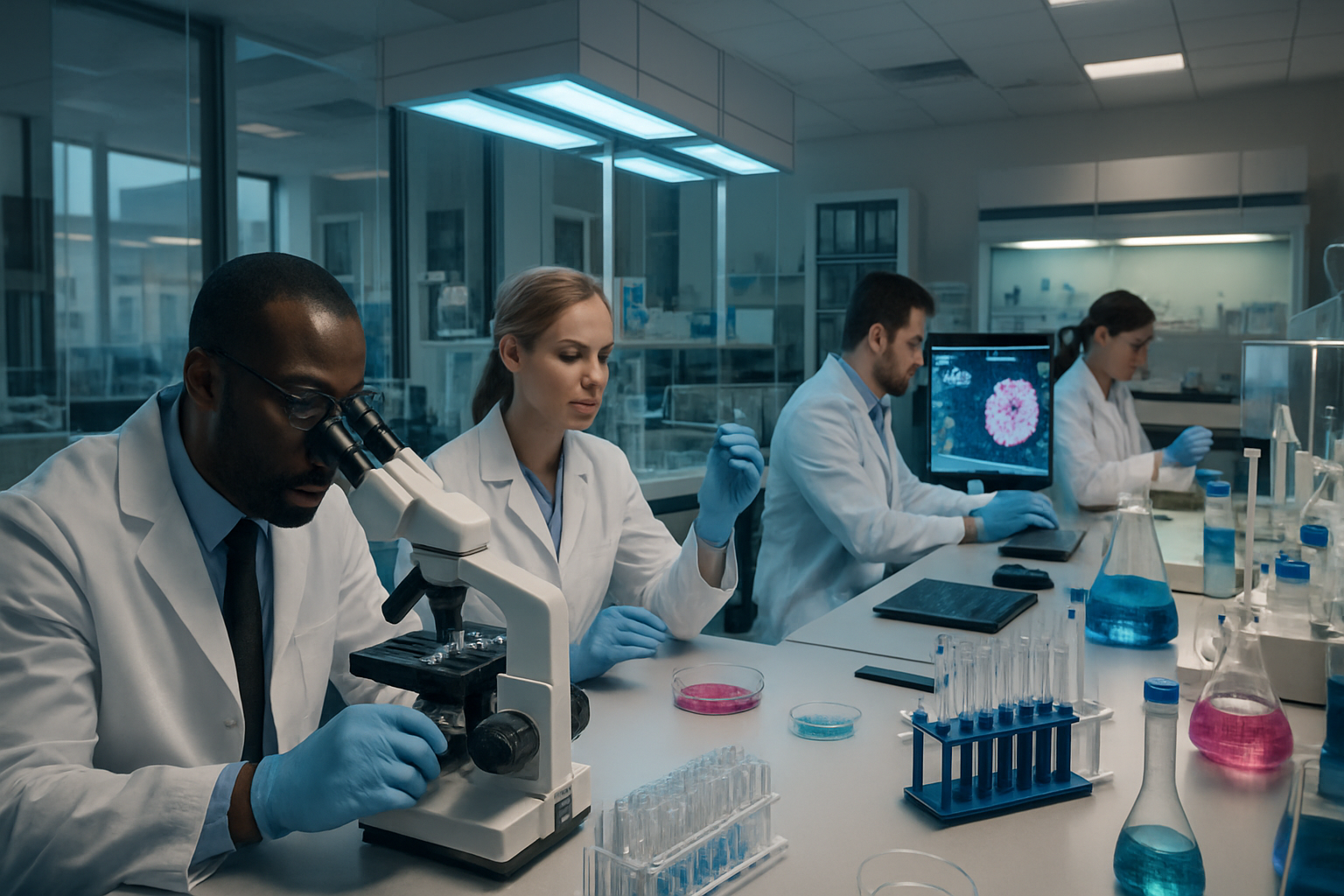
A groundbreaking wave of cancer treatments based on stimulating the immune system is fundamentally changing how cancer is treated, offering some patients the chance of recovery without surgery, chemotherapy, or radiation therapy. After nearly a century of research, immunotherapy is finally producing spectacular results, though it remains effective only for a subset of patients.
The latest developments in cancer immunotherapy represent what medical experts are calling the "Therapeutic Revolution of 2026" - a year marked by unprecedented international cooperation and medical breakthroughs that are transforming cancer care worldwide. According to Romanian medical sources, these innovative treatments are beginning to deliver results that many describe as "incredible" and "like science fiction."
The Science Behind Immunotherapy
Unlike traditional cancer treatments that directly attack tumor cells through toxic chemicals or radiation, immunotherapy works by enhancing the body's natural immune system to recognize and eliminate cancer cells. This approach represents a paradigm shift from conventional oncology, focusing on empowering the patient's own biological defenses rather than relying solely on external interventions.
The breakthrough treatments utilize several sophisticated mechanisms. Some therapies remove immune cells from patients, genetically modify them to better recognize cancer, and reinfuse them back into the body. Others use checkpoint inhibitors that remove the molecular "brakes" that prevent immune cells from attacking tumors. Advanced approaches include personalized cancer vaccines that train the immune system to target specific cancer markers unique to each patient's tumor.
Global Research Momentum
The immunotherapy revolution is not limited to Romania. Across the globe, medical researchers are reporting remarkable advances that collectively represent the most significant progress in cancer treatment in decades. In Russia, the world's first comprehensive personalized mRNA cancer vaccine program "Neoonkovac" has been launched, with the first patient - a 60-year-old from Kursk Oblast - reportedly feeling well and continuing treatment.
"This is a historic moment for cancer treatment. We're witnessing the emergence of therapies that can make tumors disappear without the devastating side effects of traditional treatments."
— Dr. Mikhail Murashko, Russian Health Minister
Spain has achieved revolutionary breakthroughs with triple-drug pancreatic cancer therapy that completely eliminated tumors in laboratory studies. The coordinated approach simultaneously targets growth pathways, signal receptors, and survival mechanisms, preventing the resistance development that has plagued previous treatments. This represents a paradigm shift from single-target to coordinated intervention for one of medicine's most challenging malignancies.
The Precision Medicine Revolution
Perhaps the most remarkable aspect of modern immunotherapy is its precision. Portuguese scientists have successfully conducted the world's first cancer cell reprogramming procedures, enabling the development of more effective immunotherapies tailored to individual patients. This breakthrough represents a fundamental shift from conventional chemotherapy toward harnessing and enhancing the body's immune system to recognize and eliminate cancer cells more effectively.
The creation of personalized vaccines takes approximately three months per patient, according to Russian health officials. This timeline, while requiring patience, represents a dramatic improvement over the years-long development cycles of traditional cancer drugs. The N.F. Gamaleja National Research Center collaboration with the National Medical Research Center has pioneered techniques that analyze each patient's unique tumor genetics to create targeted immunotherapies.
International Cooperation and Access
The cancer immunotherapy revolution is benefiting from unprecedented international cooperation. Despite funding challenges facing traditional global health organizations, bilateral partnerships and regional collaboration networks are driving medical innovation through peer-to-peer knowledge sharing. Countries are transitioning from healthcare recipients to healthcare innovators through sustained research investment and international collaboration.
In Slovakia, researchers have unlocked therapy resistance secrets - modern oncology's greatest challenge affecting millions worldwide. Their discoveries could lead to combination therapies preventing or overcoming resistance mechanisms, extending survival rates for aggressive cancers. Simultaneously, they're advancing innovative treatments that transform immune cells into "cancer hunters," teaching immune systems to recognize and remember cancer cells for sustained tumor attacks after treatment completion.
Challenges and Limitations
Despite the remarkable progress, medical experts emphasize that immunotherapy remains effective for only a portion of cancer patients. The treatments work best for certain cancer types and genetic profiles, and research is ongoing to expand their applicability. The Romanian medical community notes that while results can be spectacular, not all patients respond to current immunotherapy protocols.
Access to these breakthrough treatments varies significantly worldwide. While developed nations are implementing comprehensive immunotherapy programs, many regions still lack the infrastructure and resources necessary for these sophisticated treatments. The complex manufacturing requirements for personalized vaccines and modified immune cells present logistical challenges that researchers and health systems are working to address.
Economic and Social Implications
The economic implications of the immunotherapy revolution extend far beyond healthcare costs. Prevention-focused strategies that include early cancer detection and immunotherapy show superior cost-effectiveness compared to traditional treatment models. Countries implementing comprehensive cancer prevention programs report 40% cost reductions through decreased emergency interventions while achieving superior population health outcomes.
The social impact is equally significant. Patients who previously faced months of debilitating chemotherapy and radiation can now, in some cases, receive treatments that allow them to maintain their quality of life while fighting cancer. This transformation affects not only patients but entire families and communities, reducing the social and economic burden of cancer care.
The Path Forward
As we advance through 2026, the cancer immunotherapy revolution continues to gain momentum. Research centers worldwide are reporting breakthrough discoveries almost monthly, from DNA analysis revealing cancer resistance mechanisms to innovative approaches using engineered immune cells. The convergence of artificial intelligence, genetic analysis, and immunotherapy is creating possibilities that seemed impossible just years ago.
Climate change and environmental factors are adding urgency to cancer research, as the 18th consecutive month of global temperatures exceeding 1.5°C pre-industrial levels may be influencing cancer patterns. However, the prevention-first approaches inherent in immunotherapy are well-positioned to address these evolving challenges through proactive intervention rather than reactive crisis management.
Hope for the Future
The testimonials from patients and medical professionals worldwide paint a picture of unprecedented hope. From Romania to Russia, from Spain to Slovakia, cancer patients are experiencing outcomes that would have been unthinkable with conventional treatments. While challenges remain in expanding access and improving efficacy for all cancer types, the foundation for a cancer-free future has never been stronger.
The success of immunotherapy depends on sustained political commitment to healthcare investment, comprehensive professional training, and continued international cooperation. As medical experts note, the convergence of precision medicine advances, international cooperation models, and prevention-focused strategies provides a robust foundation for resilient healthcare systems addressing 21st-century challenges.
For cancer patients and their families, the message from the global medical community is clear: immunotherapy represents a genuine turning point in the fight against cancer. While not every patient will benefit immediately, the rapid pace of discovery and the growing arsenal of immune-based treatments offer hope that cancer may one day become a manageable condition rather than a life-threatening disease.