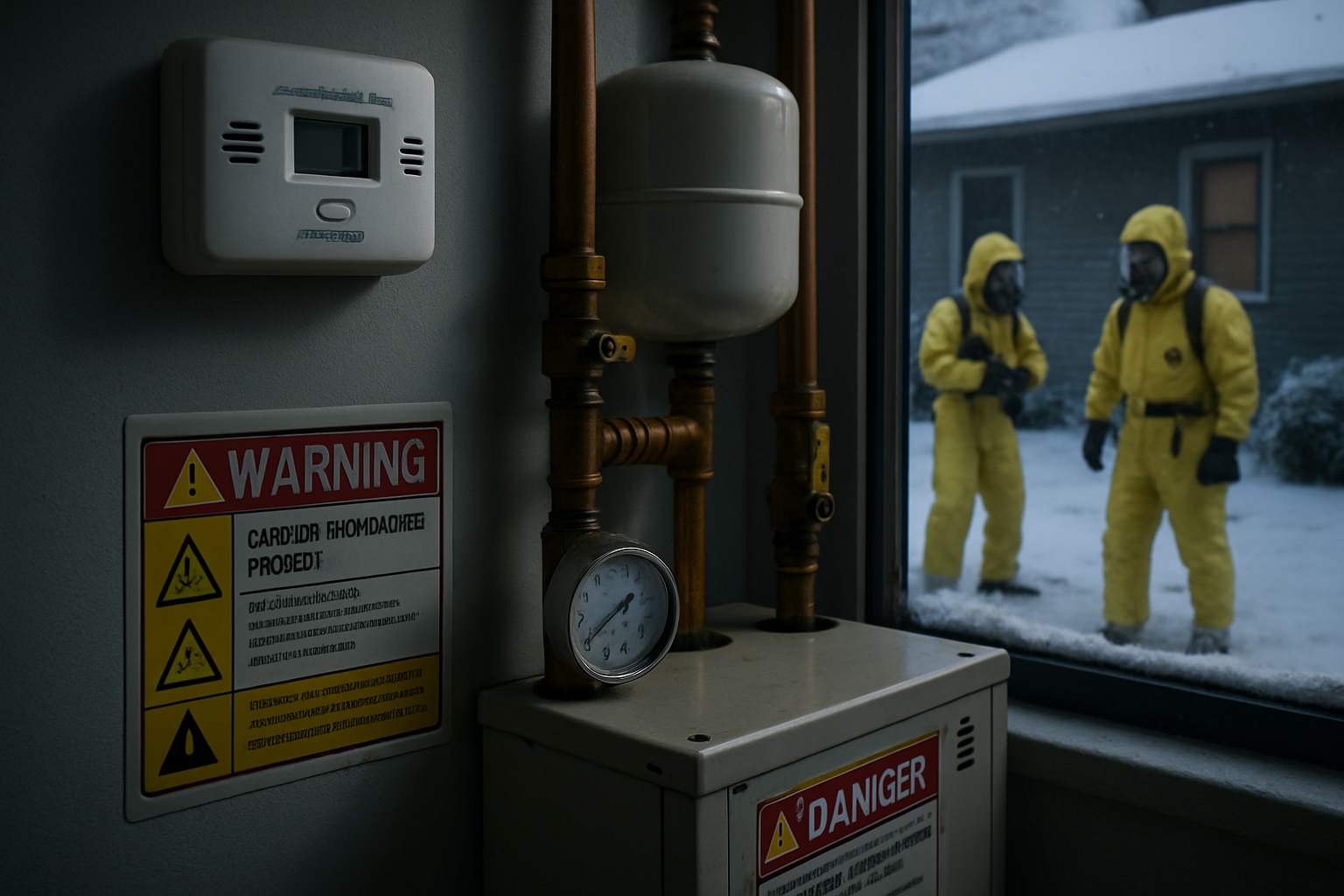
Multiple tragic carbon monoxide poisoning incidents have claimed several lives across Europe this week, with four members of an Albanian family found dead in their home in Italy's Tuscany region, highlighting critical safety concerns with heating systems during the continent's harsh winter conditions.
The most devastating incident occurred in Rughi, a village in Porcari within the province of Lucca, Tuscany, where an entire Albanian family was discovered deceased from suspected carbon monoxide poisoning. The victims include a 48-year-old father, a 42-43-year-old mother, and their two children aged 23 and 15 years old.
According to Italian media reports, the tragedy was discovered when family members could not reach the household by telephone. A relative went to check on them and made the horrific discovery before immediately alerting authorities. Emergency services, including firefighters, Carabinieri, and medical teams, rushed to the scene but could only confirm the deaths of all four family members.
Investigation Points to Faulty Heating System
Preliminary investigations suggest the deaths resulted from carbon monoxide exposure from a malfunctioning heating system. Fire department technical experts are conducting thorough examinations to determine the exact cause of the gas leak that led to this family tragedy.
The incident has had wider implications for emergency responders. A fifth person was hospitalized in Pisa but is reportedly not in life-threatening condition. Additionally, three Carabinieri officers who entered the house during the initial inspection suffered mild carbon monoxide poisoning, demonstrating the dangerous levels of the toxic gas present in the home.
Italian authorities have not yet released the family's names as investigations continue into the circumstances surrounding their deaths. The Albanian community in Italy has been deeply affected by this tragedy, which underscores the deadly risks posed by improperly maintained heating systems.
Separate Incident in Azerbaijan
In a related incident, Azerbaijan experienced its own carbon monoxide emergency, with reports of a mother and three children being hospitalized after exposure to the toxic gas. While details of this case remain limited, it demonstrates that carbon monoxide poisoning remains a persistent threat across different regions during the winter heating season.
Europe's Winter Crisis Amplifies Risks
These tragic incidents occur against the backdrop of one of Europe's harshest winters in decades. The continent has been experiencing severe weather conditions that have put unprecedented strain on heating systems and infrastructure. Recent weather reports indicate that Poland has faced temperatures as low as -28°C with infrastructure failures including burst water pipes, while Estonia is experiencing its coldest winter in 25 years.
The extreme weather conditions have forced many households to rely heavily on heating systems, some of which may be inadequately maintained or improperly ventilated. This increased usage, combined with people spending more time indoors with windows and doors sealed against the cold, creates perfect conditions for carbon monoxide accumulation.
"Carbon monoxide is called the 'silent killer' because it's colorless, odorless, and tasteless. During severe winter weather, the risk increases significantly as people use heating systems more intensively while keeping homes sealed against the cold."
— European Emergency Response Guidelines
Understanding Carbon Monoxide Dangers
Carbon monoxide (CO) is a toxic gas produced by incomplete combustion of carbon-containing fuels such as gas, oil, coal, and wood. When heating systems malfunction or lack proper ventilation, CO can accumulate to deadly levels within homes. The gas prevents the body from using oxygen properly, leading to tissue damage and potentially death.
Early symptoms of carbon monoxide poisoning include headaches, dizziness, nausea, and fatigue - symptoms that are often mistaken for flu or other common illnesses. As exposure continues, victims may experience confusion, rapid heartbeat, and loss of consciousness. At high concentrations, carbon monoxide can cause death within minutes.
Prevention and Safety Measures
Safety experts emphasize several critical prevention measures that could prevent such tragedies:
- Install carbon monoxide detectors on every level of the home, especially near sleeping areas
- Ensure annual professional inspection and maintenance of heating systems
- Never use portable generators, grills, or camping equipment indoors
- Maintain proper ventilation in homes using fuel-burning appliances
- Be aware of warning signs such as yellow or orange flames in gas appliances, soot buildup, or condensation on windows
The recent incidents serve as a stark reminder that carbon monoxide detectors can be the difference between life and death. These devices, which cost relatively little, can provide early warning before CO reaches dangerous levels.
Increased Emergency Response
Emergency services across Europe report increased calls related to heating system problems and carbon monoxide concerns during the current winter crisis. The combination of extreme weather forcing increased heating system usage and potential infrastructure strain creates heightened risk conditions.
Authorities are urging residents to take extra precautions during this severe weather period, including checking heating systems, ensuring proper ventilation, and being vigilant for symptoms of carbon monoxide exposure. Many regions have activated emergency warming centers, but officials stress that home heating safety remains the primary defense against winter-related tragedies.
Broader Implications
These incidents highlight broader issues of heating safety infrastructure and the need for improved public awareness about carbon monoxide risks. As Europe continues to face severe winter conditions with increased reliance on heating systems, the importance of proper maintenance, adequate ventilation, and carbon monoxide detection becomes even more critical.
The tragedies also underscore the vulnerability of immigrant communities who may be living in substandard housing or lack access to proper heating system maintenance. Community organizations and local authorities are being urged to conduct outreach to ensure all residents have access to safety information and resources.
As investigations continue into these tragic incidents, they serve as a sobering reminder that winter heating safety requires constant vigilance and proper equipment maintenance. The loss of entire families to preventable carbon monoxide poisoning represents a tragedy that highlights the deadly serious nature of heating system safety during severe winter weather.