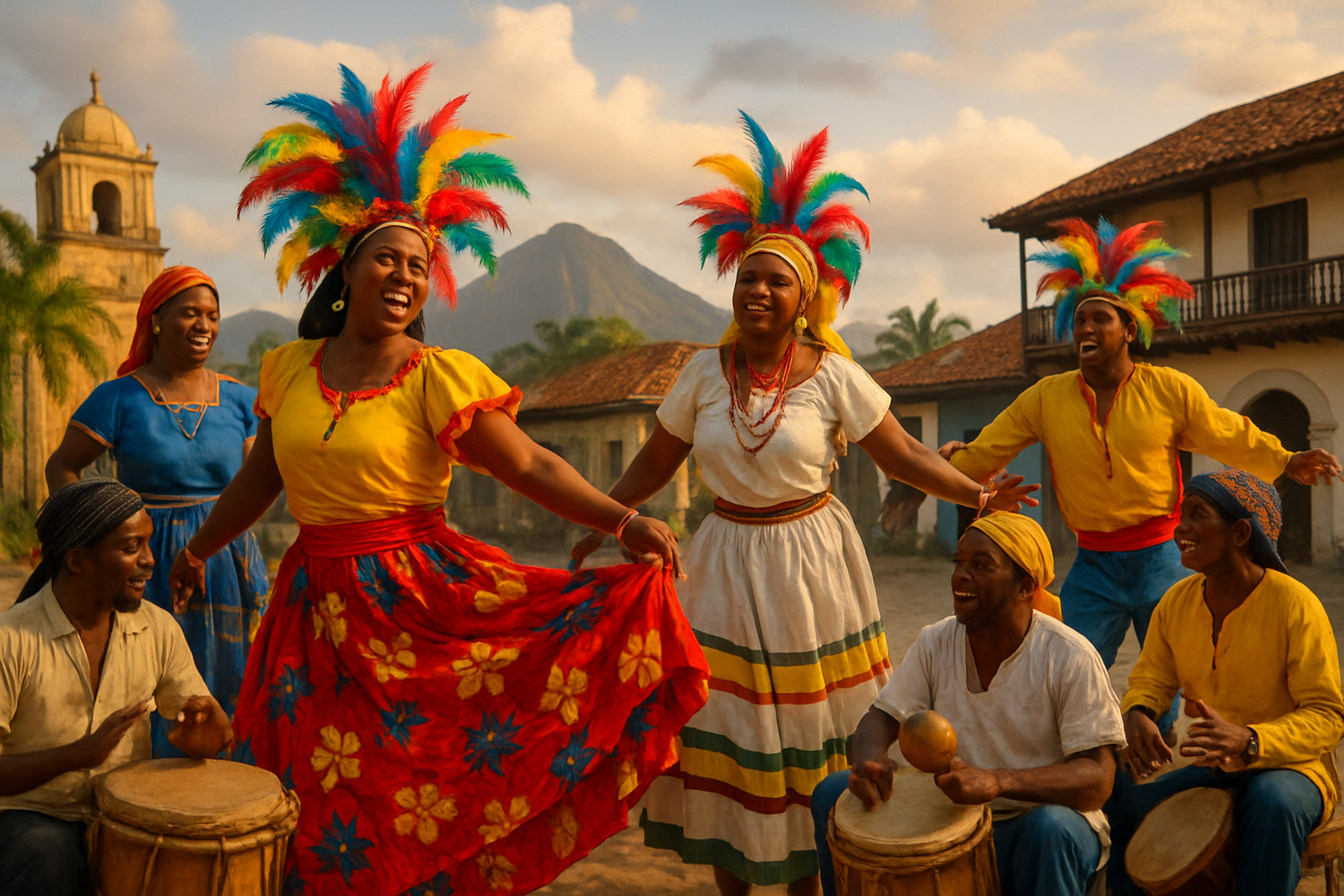
A remarkable cultural awakening is sweeping across the Caribbean and Central America as nations champion innovative heritage preservation initiatives that seamlessly blend ancestral traditions with contemporary artistic expression, positioning the region as a global leader in sustainable cultural development.
Caribbean Nations Champion Indigenous Heritage Revival
Saint Vincent and the Grenadines has emerged as a pioneering force in indigenous cultural preservation, with Prime Minister Dr. Godwin Friday announcing transformative policy shifts during the official wreath-laying ceremony for the Right Excellent Joseph Chatoyer. Speaking at the historic Dorsetshire Hill Obelisk, the Prime Minister called for a "profound reclaiming of indigenous heritage" and unveiled major initiatives aimed at integrating Garifuna culture into the national identity.
The government's commitment extends beyond ceremonial recognition to concrete action. Minister of Youth, Sports, Culture Kashaka Cupid emphasized during Heritage Day that the nation must do more to honor Joseph Chatoyer and the warriors who fought alongside him. "We are not doing enough to honor the legacy of our indigenous leaders," Cupid stated, announcing plans for comprehensive heritage site development and deeper integration of indigenous history into national curricula.
"This is about more than preservation—it's about ensuring our young people understand that their identity is rooted in both indigenous strength and contemporary innovation."
— Minister Kashaka Cupid, Saint Vincent and the Grenadines
The initiative represents a broader Caribbean trend toward authentic cultural expression that acknowledges both the complex colonial history and the enduring strength of indigenous communities. These efforts are generating significant international attention, positioning Saint Vincent and the Grenadines as a model for other small island developing states seeking to balance heritage preservation with economic development through cultural tourism.
Nicaragua Pioneers Creative Tourism Circuits
Meanwhile, Nicaragua has launched an ambitious creative tourism initiative that showcases the country's rich historical and cultural heritage through innovative new routes. Granada, one of Central America's most historically significant cities, unveiled the first circuit of creative cities designed to highlight the region's cultural wealth while supporting local entrepreneurship and community development.
The new tourism routes emphasize authentic cultural experiences that go beyond traditional sightseeing to offer visitors meaningful encounters with Nicaraguan artisans, historians, and cultural practitioners. The program represents a sophisticated approach to cultural tourism that prioritizes community benefit while preserving the integrity of local traditions.
These developments are part of Nicaragua's broader cultural strategy, which includes the recent presidential decree declaring Casa de los Tres Mundos as National Cultural Heritage. Located in Granada's Plaza de los Leones, the site represents the intersection of historical significance, cultural value, and artistic achievement that characterizes Nicaragua's approach to heritage stewardship.
El Salvador Celebrates Cultural Diversity Through Festival Innovation
El Salvador has demonstrated remarkable cultural innovation through its embrace of diverse artistic traditions, most notably showcased in the Festival Otaku at Mercado San Miguelito. This groundbreaking event brought together anime, K-pop, and Asian cultural elements in a celebration that attracted hundreds of young people and families while maintaining a focus on community safety and cultural exchange.
The festival exemplifies El Salvador's progressive approach to cultural programming that acknowledges the global nature of contemporary culture while maintaining strong connections to local identity. Participants, known affectionately as "nakamas" (friends in Japanese anime culture), created an atmosphere of international friendship that transcended traditional cultural boundaries.
During the weekend-long celebration in San Salvador, attendees shared their passion for Japanese and Korean entertainment through cosplay, music performances, and cultural presentations. The event's success demonstrates how smaller nations can create internationally significant cultural programming that serves multiple community functions: youth engagement, cultural education, and international friendship building.
Technology Integration Enhances Traditional Preservation
Across all three nations, sophisticated technology integration has emerged as a crucial factor in successful cultural preservation. Rather than replacing traditional practices, digital tools are being used to amplify authentic cultural expressions and extend their reach to global audiences while maintaining community ownership and spiritual significance.
Nicaragua's creative tourism circuits utilize digital platforms to connect international visitors with local cultural experiences, creating sustainable revenue streams for artists and cultural practitioners. Saint Vincent's heritage initiatives employ advanced documentation techniques to preserve traditional knowledge while making it accessible to younger generations through contemporary media.
El Salvador's Festival Otaku demonstrates how communities can embrace global cultural trends while maintaining local identity, using social media and digital platforms to build international connections without compromising authentic cultural expression.
Economic Impact and Sustainable Development
These cultural initiatives are generating substantial economic benefits that extend far beyond tourism revenue. The Caribbean and Central American approach emphasizes sustainable development models that create year-round employment for local communities while preserving cultural authenticity.
Cultural tourism, creative industries, and heritage preservation are creating multiplier effects throughout local economies. Saint Vincent's indigenous heritage revival is attracting international academic interest and diaspora investment, while Nicaragua's creative circuits are positioning the country as a premier cultural destination in Central America.
El Salvador's innovative festival programming demonstrates how cultural events can serve multiple economic functions: supporting local businesses, creating employment opportunities, and enhancing the country's international reputation as a culturally progressive nation.
Global Cultural Renaissance Context
These developments occur within what cultural observers have identified as the "February 2026 Cultural Renaissance"—an unprecedented period of coordinated international cultural activity. The Caribbean and Central American initiatives align with successful cultural preservation efforts documented across continents, from European museum innovations to Asian heritage preservation programs.
The success factors identified across all these initiatives include community engagement with traditional knowledge bearers, technology that enhances rather than replaces authentic practices, international cooperation that respects local distinctiveness, and economic viability through sustainable cultural tourism.
What distinguishes the Caribbean and Central American approach is the sophisticated balance between acknowledging complex colonial histories while celebrating indigenous resilience and contemporary creativity. These nations are demonstrating that smaller countries can achieve significant cultural impact through authentic programming that serves community needs while gaining international recognition.
Challenges and Adaptive Strategies
Despite remarkable successes, these cultural initiatives face ongoing challenges including climate change threats to outdoor programming, economic pressures affecting youth participation in traditional arts, and the need to balance global visibility with local authenticity.
The solutions emerging from the Caribbean and Central American experience emphasize community leadership, international resource sharing, and innovative programming approaches that respect traditions while embracing helpful technological and methodological innovations.
Climate adaptation strategies are becoming increasingly important as extreme weather events threaten both heritage sites and festival programming. Countries are developing contingency plans that protect both participants and cultural assets while maintaining the essential community functions these events serve.
Future Implications and Global Templates
The Caribbean and Central American cultural renaissance is establishing precedents for 21st-century cultural stewardship that successfully balances heritage preservation with contemporary innovation, local authenticity with global cooperation, and economic viability with cultural integrity.
These initiatives provide practical templates adaptable to diverse cultural and economic circumstances worldwide. They demonstrate that authentic cultural expression can achieve global appeal while maintaining local significance, creating sustainable creative industry models that serve community development goals.
The success across Saint Vincent's indigenous heritage revival, Nicaragua's creative tourism innovation, and El Salvador's cultural diversity celebration provides evidence that thoughtful cultural investment creates lasting positive impact that honors the past while embracing future possibilities.
As the global community faces unprecedented challenges from climate change, technological disruption, and social division, the Caribbean and Central American cultural renaissance offers hope that communities can preserve and share cultural treasures while building bridges between traditions, nations, and generations. These initiatives demonstrate culture's essential role as infrastructure for human flourishing, international understanding, and sustainable community development in an increasingly interconnected world.