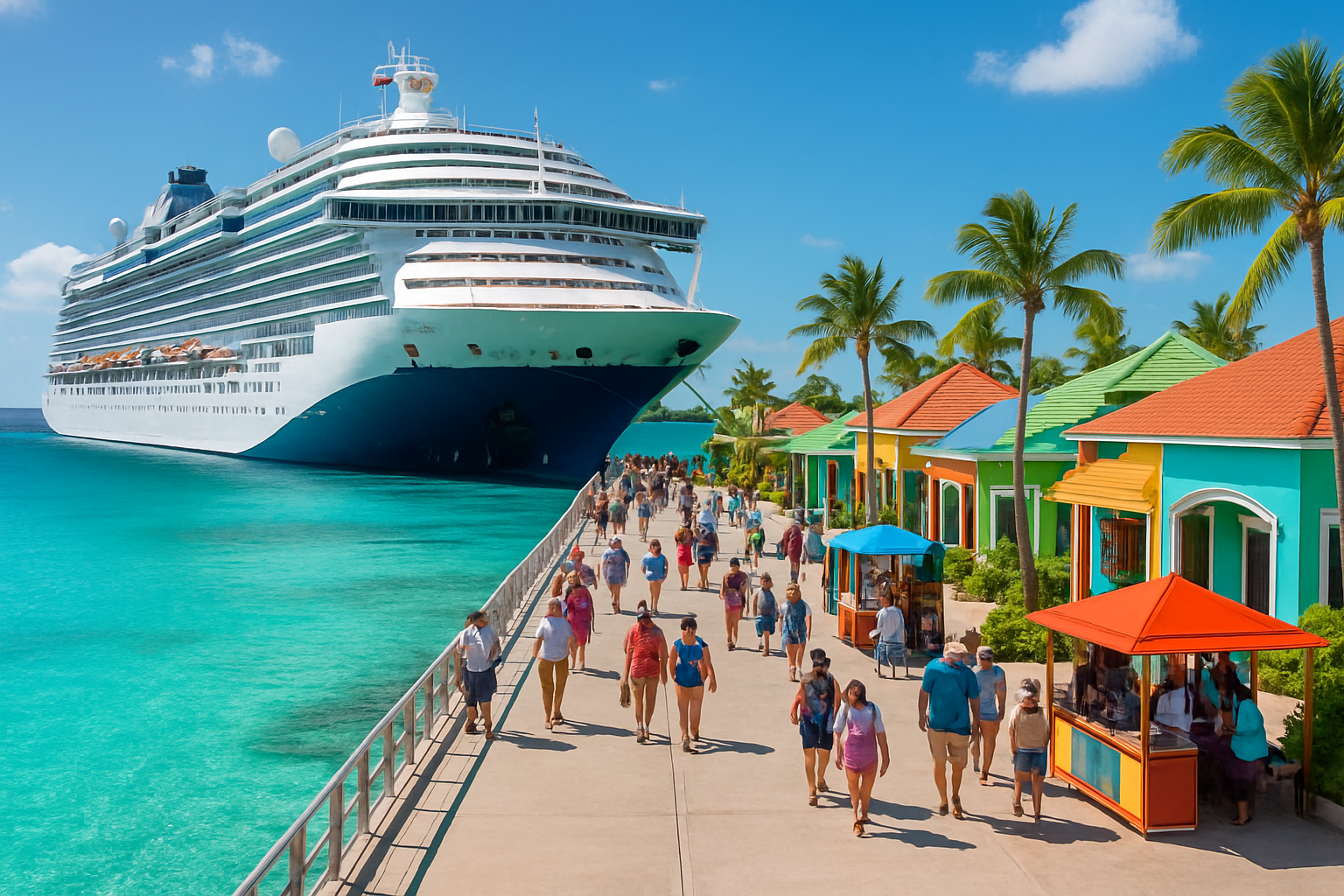
The Caribbean cruise tourism industry is experiencing unprecedented growth as multiple destinations report surging visitor arrivals and announce major infrastructure expansion projects worth hundreds of millions of dollars, positioning the region as the world's premier cruise tourism hub.
The transformation is most evident in Antigua and Barbuda, where Antigua Cruise Port is preparing a comprehensive $60 million upland development program. Gaspar George, General Manager of Antigua Cruise Port and Global Ports Holding's Regional Director for Operations and Product Development, confirmed that growing cruise passenger numbers are placing significant pressure on existing infrastructure, driving the need for substantial modernization efforts.
Infrastructure Revolution Across the Caribbean
The second phase of Antigua's development includes a complete overhaul of ground transportation operations with plans to introduce a structured taxi dispatch system and redesigned parking facilities. This represents a shift toward more organized, tourist-friendly services that can handle increasing visitor volumes while maintaining quality experiences.
"Plans are under way to expand tourism infrastructure beyond the port gates, with Fort James emerging as a potential focus area as cruise passenger arrivals continue to rise," George explained, indicating the scope of planned development extends well beyond traditional port boundaries.
Meanwhile, Nevis is experiencing its own cruise season intensification, with 19 vessels scheduled to arrive between February and April 2026. The island has become increasingly popular among cruise passengers seeking relaxation, adventure, food experiences, shopping opportunities, and short vacation escapes.
Regional Integration and Economic Impact
The cruise tourism expansion reflects broader Caribbean tourism evolution, building on historical context from recent years. According to industry analysis, the Dominican Republic's ports have achieved record-breaking passenger numbers, with projections of over 1.4 million cruise passengers in 2026. Taíno Bay is expected to receive 1.2 million passengers while Port Cabo Rojo anticipates 200,000 visitors, representing sustained growth since their openings.
The economic multiplier effects are substantial. CEO Mauricio Hamui has confirmed sustained 90-95% passenger disembarkation rates, which directly boost local economies in Puerto Plata, Cabarete, Sosúa, and surrounding areas. This high disembarkation rate indicates that cruise passengers are actively engaging with local destinations rather than remaining aboard ships.
Technology and Modernization Initiatives
The infrastructure developments emphasize technology integration alongside traditional hospitality services. Antigua's modernization includes advanced booking systems, digital payment processing, and enhanced visitor management capabilities. These technological improvements align with broader industry trends toward quality-focused tourism strategies over pure volume-based approaches.
Regional integration is strengthening Caribbean competitiveness through improved connectivity and coordinated destination marketing efforts. The success demonstrates Caribbean evolution from tourism recipient to sophisticated destination manager, with community leadership, cultural authenticity preservation, and economic viability serving as core development principles.
"The Caribbean is positioning advantageously for long-term success through emphasis on authentic cultural experiences, community-based tourism, and sophisticated destination management during global tourism transformation."
— Industry Analysis Report, February 2026
Quality-Focused Growth Strategy
The current expansion represents a fundamental shift in Caribbean tourism strategy. Rather than simply increasing capacity, destinations are focusing on enhanced visitor experiences, sustainable practices, and meaningful community involvement. This approach has proven successful, with multiple Caribbean destinations achieving international recognition for hospitality excellence.
Saint Kitts and Nevis recently demonstrated mature infrastructure capabilities by simultaneously accommodating six major cruise ships at Port Zante, showcasing advanced port management capabilities that allow some vessels to dock directly while others anchor offshore.
The success factors identified across the region include authentic cultural experiences, environmental sustainability, community benefits, climate resilience, and adaptive capacity for managing disruptions. Infrastructure investment extends beyond traditional hospitality to comprehensive visitor support services.
Economic Transformation and Investment
The cruise tourism boom is part of a broader $570+ billion global infrastructure investment surge, with Caribbean destinations demonstrating sophisticated destination management combining marketing excellence, infrastructure investment, and operational efficiency. The economic impact extends far beyond immediate tourism revenue.
Job creation spans multiple sectors including transportation, retail, cultural services, and specialized tourism operations. The developments create year-round employment opportunities in carnival industries, cultural tourism, and hospitality services, moving beyond traditional seasonal employment patterns.
International cooperation models are emerging, with successful partnerships creating multi-destination experiences through coordinated marketing efforts and collaborative destination development. This regional integration approach strengthens all participating markets rather than fostering competition between individual destinations.
Climate Resilience and Sustainability
Caribbean cruise tourism development incorporates climate adaptation strategies, recognizing the need for resilient infrastructure capable of handling both increased visitor volumes and changing weather patterns. The modernization projects include enhanced storm preparedness, improved drainage systems, and flexible facility designs.
Environmental sustainability remains a priority, with port developments incorporating renewable energy systems, waste management improvements, and ecosystem protection measures. These initiatives address growing international visitor expectations for responsible tourism practices.
The region's approach demonstrates successful synthesis of economic development with environmental protection, creating a template for sustainable tourism development that maintains authentic cultural experiences while providing significant economic benefits to local communities.
Future Outlook and Regional Leadership
The Caribbean's cruise tourism expansion positions the region as a global leader in sustainable destination management. The combination of infrastructure investment, technological integration, and community-focused development creates a model that other regions are studying and adapting.
Success measurements focus on community empowerment, environmental protection, cultural preservation, and resilience to external challenges including climate change and evolving visitor preferences. This comprehensive approach ensures long-term viability beyond immediate economic gains.
As the 2026 cruise season progresses, the Caribbean's transformation from individual competing destinations to a coordinated regional tourism powerhouse represents a fundamental evolution in international tourism development, with implications extending far beyond the region's borders.
The unprecedented investment in cruise tourism infrastructure, combined with sophisticated visitor management and authentic cultural preservation, positions the Caribbean as the world's premier example of sustainable cruise tourism development, creating economic prosperity while maintaining the region's distinctive cultural identity and environmental integrity.