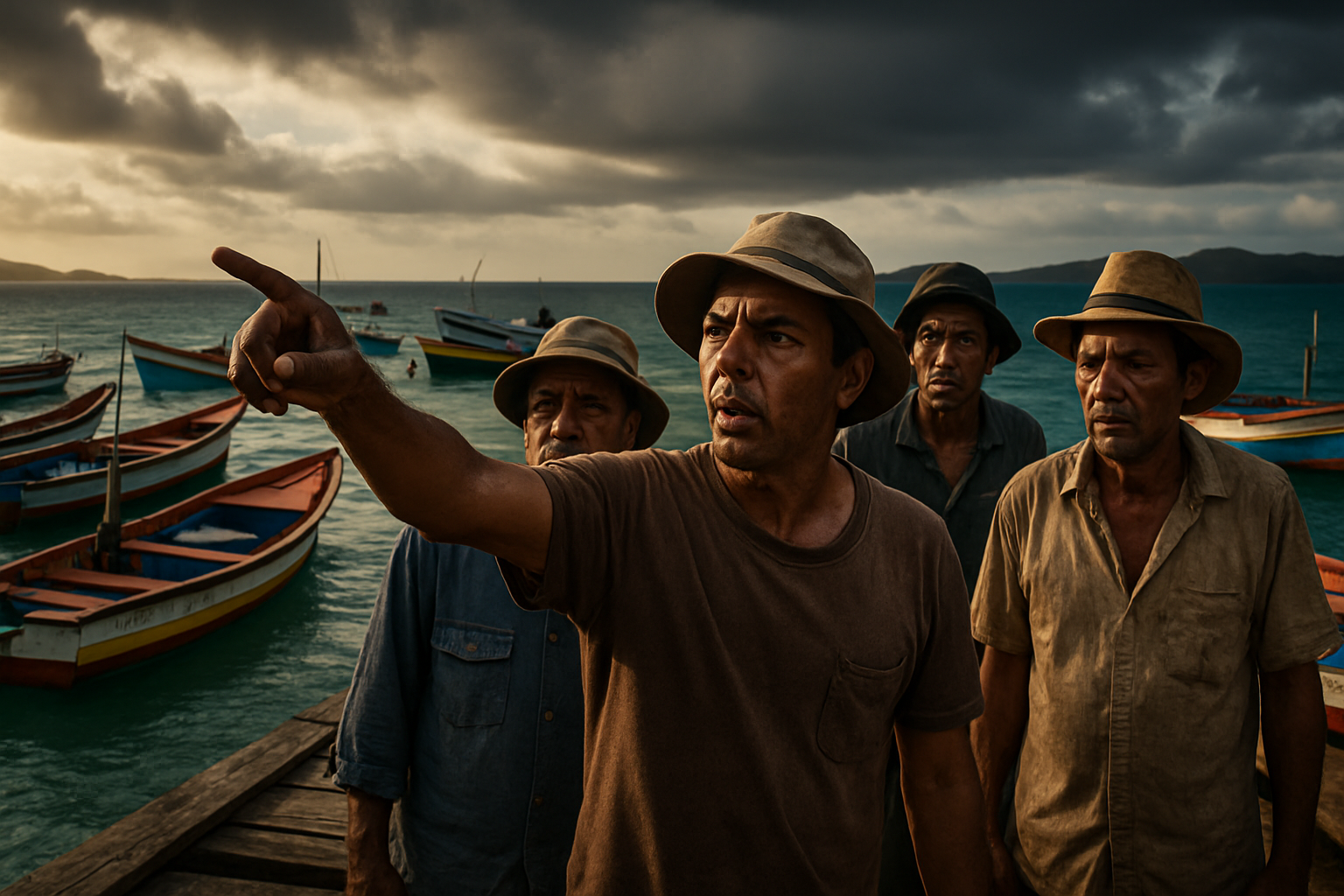
Fear is spreading through Caribbean fishing communities following a deadly US military strike that destroyed a vessel in regional waters on February 13, leaving three people dead and raising urgent questions about the safety of legitimate maritime operations.
Fishing communities across Antigua and Barbuda, Barbados, and neighboring islands are expressing growing alarm after the latest incident in what US Southern Command describes as counter-narcotics operations under "Operation Southern Spear." The February 13 strike brought the total death toll from the campaign to approximately 147 people across 42 attacks since September 2025.
Fishermen on Edge Across the Region
In Barbados, fisherfolk report being "on edge" following the deadly strike, despite the incident occurring outside Barbadian maritime space. The concerns reflect a broader pattern of anxiety among those whose livelihoods depend on Caribbean waters now transformed into active military zones.
"While the incident did not occur in Barbados' maritime space, concerns are mounting among those who depend on the Caribbean Sea for their livelihood," according to reports from the Caribbean Broadcasting Corporation.
Similar fears have emerged in Saint Lucia and nearby islands, where fishermen worry they could be mistaken for drug traffickers during US military operations. The Royal Saint Vincent and the Grenadines Police Force has issued guidance encouraging fishermen to maintain normal operations while remaining in communication with authorities.
Operation Southern Spear's Expanding Impact
The military campaign represents an unprecedented shift from traditional law enforcement to direct military targeting of suspected trafficking vessels in international waters. Operations are conducted under terrorist organization designation authority, allowing kinetic operations without traditional law enforcement protocols.
According to intelligence sources, the strikes are part of the Trump administration's militarized counter-narcotics approach, transforming both the Caribbean Sea and Eastern Pacific into active military zones. The operations fall under existing military authorizations, avoiding Congressional approval requirements.
"The Caribbean Sea and eastern Pacific have been effectively transformed into active military zones where civilian vessels operate at unprecedented risk."
— Regional Security Analysis, February 2026
Three Saint Lucian fishermen were allegedly killed in Saint Vincent and the Grenadines waters as part of the broader campaign, highlighting how legitimate fishing operations and suspected criminal activity occur in the same waters, creating unavoidable civilian risks.
Legal and Humanitarian Concerns Mount
Maritime law experts have raised significant questions about the precedent of lethal strikes against civilian vessels in international waters. The operations produce casualty reports without independent verification of criminal activity, representing a departure from traditional arrest-and-prosecution law enforcement models.
European, Latin American, and Middle Eastern media coverage has highlighted humanitarian concerns and legal framework questions surrounding the campaign. Human rights organizations express alarm about the lack of due process and potential civilian casualties among vessel crews not directly involved in criminal activity.
The systematic military targeting of civilian vessels based on suspected rather than confirmed criminal activity raises fundamental questions about international maritime law and civilian protection protocols.
Regional Economic Impact
The military operations are having significant economic implications for Caribbean fishing communities. Tourism-dependent economies cannot afford perceptions of lawlessness, while fishing communities struggle to operate under the threat of military strikes.
The situation demonstrates how individual island nations lack the capacity to address sophisticated international networks, institutional corruption, and international military operations affecting civilians. This requires enhanced cooperation mechanisms, improved institutional capacity, and international support balancing security needs with civilian protection.
Intelligence and Communications Challenges
Police communications guidance suggests some protection measures against misidentification, but the fundamental problem remains that legitimate and criminal maritime operations occur in the same waters. The sophisticated nature of drug trafficking operations, which demonstrate advanced planning capabilities and technological resources rivaling state-level operations, complicates efforts to distinguish between legal fishing and illicit activities.
Caribbean routes serve as critical transit points for South American narcotics destined for North American and European markets, making the region a focal point for both criminal activity and international security operations.
Call for Enhanced Regional Cooperation
Security experts emphasize that comprehensive solutions are needed, including enhanced regional law enforcement cooperation, institutional reforms addressing corruption, international dialogue on military operations, economic development alternatives to criminal activity, and community-based crime prevention approaches.
The strategic location of the Caribbean continues to make it a focal point for criminal activity and international security operations, but the current approach raises questions about balancing security objectives with the protection of innocent civilian populations who depend on these waters for their survival.
As Operation Southern Spear continues with no announced plans to scale back, fishing communities across the region face an uncertain future, caught between the necessities of their livelihood and the expanding militarization of their traditional fishing grounds.