Caribbean democracies are navigating a complex period of political transitions and electoral challenges as regional leaders work to strengthen democratic institutions while addressing pressing governance issues across multiple island nations.
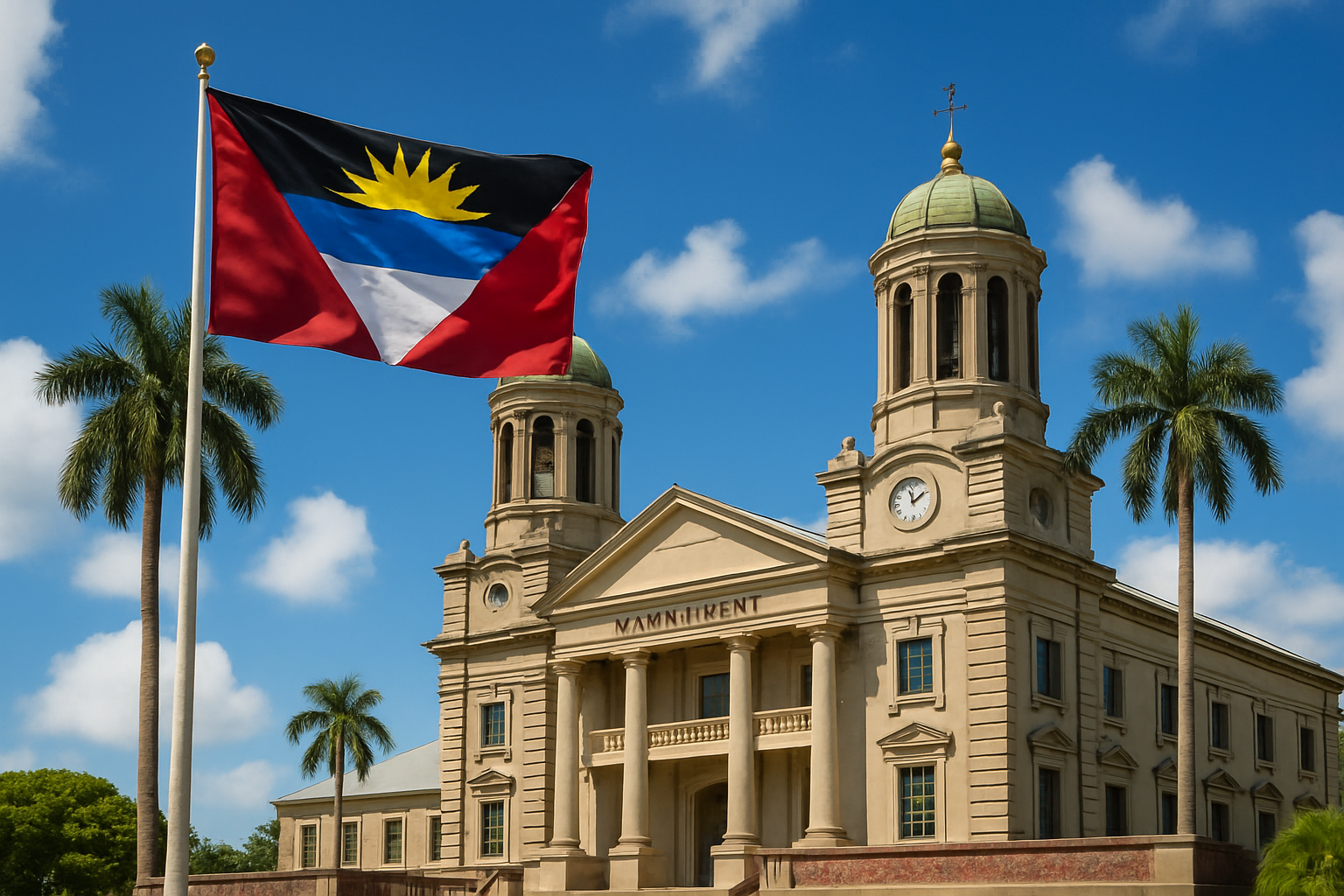
The most significant development centers on Antigua and Barbuda, where the St. Philip's North constituency is preparing for a crucial by-election scheduled for March 16, 2026. This electoral contest follows the resignation of Sir Robin Yearwood, a veteran politician from the Antigua and Barbuda Labour Party (ABLP) who served as Member of Parliament for the constituency for an remarkable five decades.
Randy Baltimore, the ABLP candidate, has unveiled a comprehensive three-pillar agenda designed to address the constituency's immediate needs while positioning the party for continued regional leadership. His platform represents both continuity with established governance approaches and adaptation to evolving voter expectations across the Caribbean.
Regional Context of Democratic Transition
The St. Philip's North by-election occurs against a backdrop of significant regional political developments that have reshaped Caribbean democratic landscapes throughout early 2026. Recent memory provides crucial context for understanding current political dynamics.
Most notably, Barbados achieved unprecedented political dominance when Prime Minister Mia Mottley's Barbados Labour Party secured a historic third consecutive clean sweep of all 30 parliamentary seats in February 2026. This achievement established Mottley as the only Caribbean leader to win three successive complete electoral victories, transforming Barbadian politics from traditional two-party competition to overwhelming single-party control.
The magnitude of Mottley's electoral success has positioned her as arguably the most influential contemporary Caribbean political figure, with regional leaders extending congratulations for what many describe as a watershed moment in Caribbean democratic history. However, her dominance has also raised important questions about democratic accountability in systems without formal parliamentary opposition.
Broader Caribbean Political Landscape
The timing of Antigua's by-election coincides with broader regional challenges that extend beyond electoral politics. Recent developments have highlighted the complex balance Caribbean nations must maintain between sovereignty, regional cooperation, and external pressures.
The Caribbean Community (CARICOM) has faced unprecedented internal divisions, particularly evident during its 50th anniversary summit. These divisions emerged most clearly over security cooperation policies and responses to external military operations in regional waters. Trinidad and Tobago's Prime Minister Kamla Persad-Bissessar's controversial defense of certain U.S. military operations while dismissing CARICOM's traditional "zone of peace" policy created what observers described as a "fundamental breach of Caribbean diplomatic norms."
"The Caribbean region must balance its traditional commitment to peaceful resolution with contemporary security challenges that require coordinated responses."
— Regional Security Analyst
These tensions reflect broader challenges facing small island developing states as they navigate great power competition while preserving regional autonomy and cooperation principles established over decades of successful integration efforts.
Democratic Institution Strengthening
Despite political pressures, Caribbean democracies have demonstrated remarkable institutional resilience. The successful conduct of multiple elections across the region in 2026, including Bangladesh's historic democratic transition following student-led reforms and various European electoral contests, provides a global context for evaluating Caribbean democratic performance.
The region's approach to democratic governance continues to emphasize consensus-building, community engagement, and institutional stability. This has proven particularly valuable during periods of external pressure and internal political evolution.
Antigua's preparation for the St. Philip's North by-election exemplifies this commitment to democratic processes. The constituency has been represented by the same individual for half a century, making the transition both historically significant and politically sensitive. The peaceful management of this transition reflects the maturity of Caribbean democratic institutions.
Economic Development and Political Leadership
Caribbean political developments occur within a broader context of economic challenges and opportunities that shape voter priorities and political messaging. Regional leaders have increasingly focused on sustainable development models that balance economic growth with environmental protection and social equity.
Tourism recovery has been a particular success story, with Caribbean destinations achieving international recognition for quality-focused strategies. Saint Kitts and Nevis recently demonstrated sophisticated infrastructure capabilities by simultaneously accommodating six cruise ships at Port Zante, while Antigua's resorts have earned prestigious U.S. News & World Report rankings among the Caribbean's best all-inclusive destinations.
These economic achievements provide political leaders with tangible accomplishments to present to voters, while also creating expectations for continued development and improved living standards across the region.
Regional Integration Challenges
The contemporary Caribbean political environment reflects tensions between national sovereignty and regional integration that have become more pronounced amid global geopolitical pressures. CARICOM's institutional challenges during its anniversary year highlight these competing demands.
Jamaica's Prime Minister Andrew Holness clarified that "CARICOM is not a political union," highlighting the limits of regional integration when member states face competing pressures from external powers. This institutional reality requires careful navigation to maintain cooperation while respecting sovereignty.
The success of regional integration efforts has historically depended on consensus-building and voluntary coordination rather than supranational authority. Current challenges test whether this approach remains viable under contemporary conditions.
Future Democratic Prospects
The outcome of Antigua's by-election and similar political developments across the Caribbean will influence the region's democratic trajectory during a critical period for global democracy. Small island developing states like those in the Caribbean often serve as laboratories for democratic innovation and adaptation.
The region's experience managing political transitions, maintaining institutional stability, and balancing competing pressures provides valuable lessons for other democratic societies facing similar challenges. Success factors include transparent electoral processes, community engagement, peaceful power transfers, and adaptive governance approaches.
Contemporary Caribbean political leadership faces the challenge of maintaining democratic traditions while adapting to rapidly changing global conditions. This requires sophisticated approaches to both domestic governance and international relations that preserve autonomy while enabling beneficial cooperation.
Implications for Regional Stability
The broader implications of current Caribbean political developments extend beyond individual elections or leadership changes. The region's approach to democratic governance during this transition period will influence its international relationships, economic development prospects, and internal stability.
Regional cooperation frameworks like CARICOM require renewal and adaptation to remain relevant under contemporary conditions. This involves balancing traditional cooperation mechanisms with new approaches to security, economic development, and international engagement.
The success of democratic institutions across the Caribbean will be measured by their ability to deliver effective governance while maintaining legitimacy and public support. This requires addressing citizen concerns about economic opportunity, security, and social equity through democratic processes.
As Caribbean nations navigate these political transitions and by-elections, they continue to demonstrate the resilience and adaptability that have characterized the region's democratic development. The March by-election in Antigua's St. Philip's North constituency represents both an ending and a beginning - the conclusion of Sir Robin Yearwood's remarkable half-century of service and the start of a new chapter in Caribbean democratic governance that will be closely watched by regional and international observers alike.