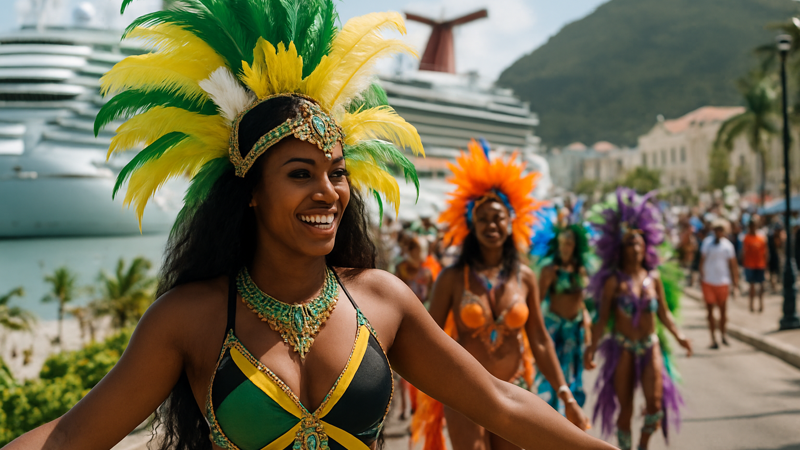
The Caribbean region is experiencing a remarkable cultural and tourism renaissance in February 2026, with developments spanning from high-fashion runway success to historic carnival celebrations and significant cruise tourism growth across multiple nations.
Jamaica Takes Global Fashion Stage
Designer Rachel Scott made history at New York Fashion Week 2026 by unveiling her groundbreaking "Femme Cheval" collection during the closing day of fashion week. The collection, highlighting the "Fall 2026 ready-to-wear season" theme, positioned Jamaica prominently on the global fashion stage and demonstrated the Caribbean's growing influence in international luxury markets.
Scott's achievement represents more than individual success—it signals a broader cultural awakening across the Caribbean where local creativity is finding global platforms and recognition. The collection's debut at one of fashion's most prestigious venues underscores the region's evolution from tourism destination to cultural exporter.
St. Maarten's Historic 55th Carnival Celebration
St. Maarten is preparing for its most ambitious cultural celebration yet, with the 55th carnival featuring an unprecedented 31 days of festivities. Organized by the St. Maarten Carnival Development Foundation, this year's celebration operates under the theme "Come, Experience LIFE," highlighting the island's vibrant culture, cherished traditions, and the unity that defines its people.
The month-long festival represents a significant investment in cultural tourism and community engagement. Such extended celebrations demonstrate the Caribbean's commitment to preserving and promoting cultural heritage while creating substantial economic opportunities for local communities through increased visitor arrivals and extended stays.
"This historic carnival celebration showcases our commitment to preserving cultural traditions while embracing the economic opportunities that cultural tourism provides."
— St. Maarten Carnival Development Foundation Representative
Cruise Tourism Delivers Economic Boost
The cruise industry continues to provide vital economic stimulus across the Caribbean, with St. Kitts receiving an unexpected but welcome boost when the MS Ambience made an unscheduled call. The cruise ship docked with 1,340 passengers who eagerly explored St. Kitts' attractions, providing a significant boost to the island's tourism sector.
Such unscheduled visits highlight the Caribbean's reputation as a reliable and attractive destination for cruise operators, even when itinerary changes become necessary. The region's well-developed port infrastructure and diverse attractions make it an ideal choice for cruise lines seeking to provide passengers with authentic cultural experiences and natural beauty.
Regional Cultural Integration and Growth
These developments occur within a broader context of Caribbean cultural and economic integration. Historical memory from tourism industry analysis reveals that the Caribbean has been building momentum in cruise capacity management, with facilities like Saint Kitts and Nevis Port Zante demonstrating advanced operational capabilities by simultaneously accommodating multiple major cruise ships.
The region's success stems from a mature infrastructure development approach that balances increased tourism capacity with maintaining destination quality and visitor satisfaction. This strategy has positioned the Caribbean as a leader in sustainable tourism development that prioritizes long-term community benefits alongside economic growth.
Cultural Diplomacy and International Recognition
The international recognition achieved by Jamaica's Rachel Scott at New York Fashion Week exemplifies the Caribbean's growing cultural soft power. Fashion, carnival celebrations, and cultural tourism serve as powerful diplomatic tools, building international understanding and appreciation for Caribbean creativity and traditions.
This cultural renaissance is supported by sophisticated marketing strategies that emphasize authentic experiences over mass tourism. Islands are successfully positioning themselves as destinations offering genuine cultural engagement rather than standardized tourist experiences, attracting visitors seeking meaningful connections with local communities and traditions.
Economic Multiplier Effects
The economic impact of these cultural and tourism developments extends far beyond immediate visitor spending. Fashion week participation generates international media attention and potential business partnerships. Extended carnival celebrations create employment opportunities across multiple sectors including hospitality, transportation, retail, and cultural services. Cruise tourism provides direct spending by passengers while supporting local businesses, tour operators, and artisans.
Regional integration strengthens the overall Caribbean tourism product by creating multi-destination experiences and enabling coordinated marketing efforts. This collaborative approach enhances competitiveness against other global tourism regions while ensuring benefits are distributed across multiple islands and communities.
Future Outlook and Regional Cooperation
The February 2026 developments indicate the Caribbean's successful transition toward quality-focused tourism strategies over volume-based approaches. The region demonstrates sophisticated destination management combining cultural authenticity, sustainable practices, enhanced visitor experiences, and international cooperation.
Success factors include community leadership, authentic cultural expression preservation, economic viability through cultural tourism, and adaptive management addressing climate and social challenges while maintaining celebration integrity. These principles provide a template for sustainable cultural festival development that balances economic benefits with community welfare and environmental responsibility.
The Caribbean's current trajectory suggests continued growth in cultural tourism, international recognition for creative industries, and strengthened regional cooperation. As climate change and evolving traveler preferences reshape global tourism, the Caribbean's emphasis on authentic cultural experiences and community-based tourism positions the region advantageously for long-term success.