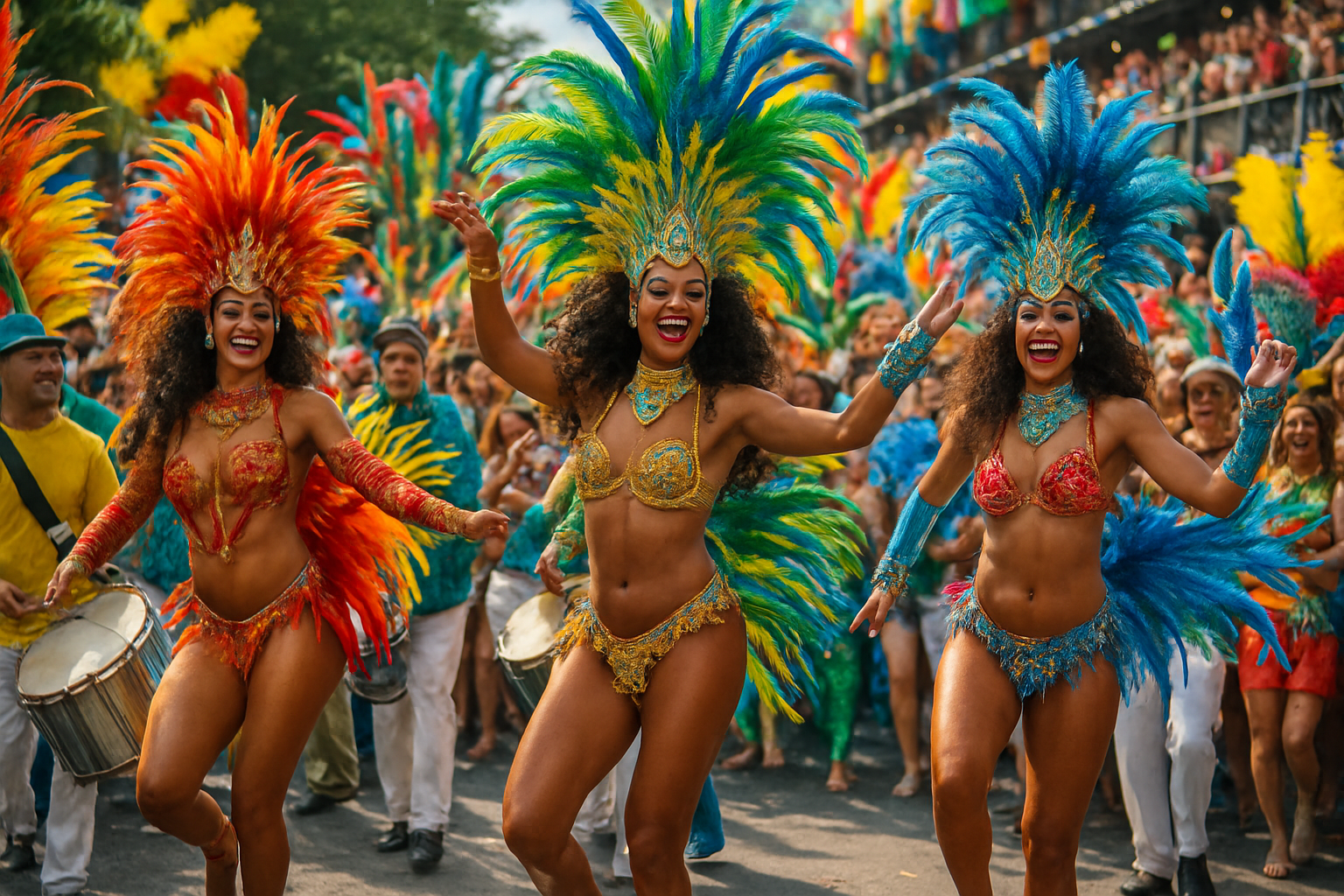
From the vibrant streets of Rio de Janeiro to the sacred ceremonies of Bolivia, Carnival 2026 emerges as a powerful celebration of cultural authenticity, with communities across Latin America and beyond reclaiming traditional festivities while addressing modern challenges.
As February unfolds across the Americas, Carnival season brings with it a remarkable renaissance of cultural expression that transcends mere celebration to become a statement of identity, resistance, and community empowerment. This year's festivities, spanning from Brazil's favela communities to Ecuador's evolving traditions and Bolivia's sacred rituals, demonstrate how cultural celebrations adapt to contemporary realities while maintaining their authentic essence.
Rio's Favela Queens Leading Cultural Transformation
In Rio de Janeiro, the 2026 Carnival season marks a historic moment for authentic representation, with two remarkable "rainhas de bateria" (rhythm section queens) who embody the true spirit of their communities. Mayara Lima from Paraíso do Tuiuti and Evelyn Bastos from Estação Primeira de Mangueira stand as symbols of Black, peripheral, and female leadership in Brazil's most famous cultural celebration.
Both queens were born and raised in the favelas where their samba schools are located, representing a powerful shift toward grassroots authenticity in Carnival leadership. Their presence challenges the traditional model of celebrity queens who often lacked deep community connections, instead celebrating leaders who emerged from the very neighborhoods that give samba its soul.
"These queens represent the heart of what Carnival truly means - community, authenticity, and the celebration of our cultural roots."
— Local Carnival Observer, Rio de Janeiro
The significance extends beyond symbolism to the preservation of Carnival's cultural heritage. In the traditional Serrinha favela, the Mulecada Que Agita project (roughly translating to "Kids Who Make Things Happen") continues the legacy of generations of sambistas and jongueiros, ensuring that traditional knowledge passes to younger generations while adapting to contemporary realities.
Official Celebrations and Cultural Diplomacy
The formal opening of Rio's Carnival followed traditional protocols, with Mayor Eduardo Paes presenting the city keys to "King Momo," the celebration's symbolic figure, at the municipal palace. This ceremonial beginning launched festivities expected to attract eight million visitors, demonstrating Carnival's continued importance as both cultural expression and economic driver.
Austrian media coverage emphasized Carnival's role as a cultural ambassador, describing it as representing "the spirit of Rio de Janeiro better than anything else," while encouraging responsible participation. This international attention reflects Carnival's evolution into a global cultural phenomenon that maintains its local authenticity.
Ecuador's Regulatory Evolution
Ecuador's approach to Carnival 2026 demonstrates how traditional celebrations adapt to contemporary concerns about consent and safety. New local regulations and the Comprehensive Organic Penal Code (COIP) establish clear limits on water play activities, specifically prohibiting non-consensual water dousing in public spaces.
These regulatory changes reflect broader societal conversations about consent and respect within cultural traditions. The restrictions aim to preserve Carnival's joyful spirit while protecting water resources, ensuring road safety, and maintaining peaceful community coexistence during the holiday period.
Despite these regulatory frameworks, commercial activity around Carnival remains vibrant. Merchants report strong sales of economical gifts and traditional Carnival products, with flowers continuing as preferred details for celebration. This double festive season creates opportunities for businesses while maintaining traditional gift-giving customs.
Bolivia's Sacred Ceremonies and Presidential Traditions
In Bolivia, President Rodrigo Paz continued the deeply rooted tradition of ch'alla ceremonies, performing ritual blessings on the presidential aircraft FAB-001, official vehicles, and security escorts. This Friday morning ceremony at the Presidential Hangar and Casa Grande del Pueblo parking area in La Paz demonstrates the integration of indigenous traditions into the highest levels of government.
The ch'alla ritual, using beer and traditional elements, represents an Andean thanksgiving ceremony to Pachamama (Mother Earth), seeking protection, prosperity, and a favorable year for the country. President Paz's social media message emphasized faith and optimism: "From the Casa Grande, today we gather to fulfill our traditional ch'alla, asking with faith that this be a great year for everyone."
The ceremony was followed by a Catholic mass blessing the official vehicles, demonstrating Bolivia's syncretic approach to cultural and religious practices. This combination of indigenous rituals and Christian ceremonies reflects the country's complex cultural heritage and the ongoing integration of traditional practices into modern governance.
Global Cultural Renaissance Context
These Carnival celebrations occur within what cultural observers have identified as a broader "February 2026 Cultural Renaissance," with unprecedented global cultural activity documented across continents. From the documented 200 monthly cultural activities in La Paz, Bolivia, to similar festivals in Mexico, Guatemala, and beyond, communities worldwide are investing in cultural expression as strategic infrastructure for development.
The success factors evident across these celebrations include community engagement, technology enhancement that supports rather than replaces traditional practices, economic viability through cultural tourism, and institutional support for sustainable cultural development. These elements create a template for how traditional celebrations can thrive in contemporary contexts.
Economic Impact and Community Development
Carnival's economic significance extends far beyond tourism revenue. In Rio, the celebration supports thousands of jobs across the samba school ecosystem, from costume makers to musicians, while generating substantial media attention that benefits Brazil's international image. The eight million expected visitors represent a significant economic multiplier effect for local businesses and communities.
Ecuador's merchant activity during the double festive season (Carnival and Valentine's Day convergence) demonstrates how traditional celebrations create economic opportunities for small businesses. The emphasis on economical gifts and locally produced Carnival products supports community-based commerce while maintaining celebration traditions.
Bolivia's integration of traditional ceremonies into presidential protocols reinforces cultural practices' legitimacy and importance, potentially encouraging broader adoption and preservation of indigenous traditions across society.
Technology and Tradition Integration
Modern Carnival celebrations successfully integrate technology to enhance rather than replace traditional elements. Digital documentation of celebrations preserves cultural knowledge for future generations while enabling global sharing of local traditions. Social media platforms allow communities to share their celebrations worldwide while maintaining authentic local expression.
The balance between innovation and tradition appears in various forms, from the sophisticated production values of Rio's samba school parades to the careful documentation of Bolivia's ch'alla ceremonies. This synthesis demonstrates how communities can embrace technological tools while preserving cultural authenticity.
Cultural Diplomacy and International Recognition
Carnival 2026 functions as cultural diplomacy, presenting Latin American identity through traditional elements that provide educational content to global audiences. The international media coverage, from Austrian reports to broader European documentation, creates informal cultural exchange that builds understanding across different societies.
This cultural diplomacy extends beyond entertainment to become a form of soft power, demonstrating the value of authentic cultural representation in building international relationships and promoting cultural understanding. The global recognition of Brazilian samba, Ecuadorian traditions, and Bolivian indigenous practices contributes to cultural heritage preservation and pride.
Challenges and Adaptations
Contemporary Carnival celebrations face various challenges, from climate concerns affecting outdoor activities to economic pressures making traditional practices less accessible for some community members. However, the adaptations evident in 2026 celebrations demonstrate resilience and creativity in maintaining cultural traditions.
Ecuador's regulatory approach to water play activities represents one model for balancing tradition with contemporary safety and environmental concerns. Bolivia's integration of indigenous practices into official ceremonies demonstrates how traditional knowledge can find new expressions in modern contexts. Rio's emphasis on community-born leadership shows how authenticity can be preserved and enhanced rather than compromised by modernization.
Future Implications
The Carnival 2026 celebrations establish important precedents for cultural celebration in the 21st century. The emphasis on community leadership, authentic representation, regulatory frameworks that protect while preserving traditions, and successful technology integration creates a template that other cultural celebrations worldwide might adopt.
The success of these celebrations during a broader period of global cultural renaissance suggests that communities are increasingly recognizing culture as strategic infrastructure for development, identity preservation, and international engagement. The economic benefits, community empowerment, and cultural preservation achieved through these celebrations demonstrate the value of investing in authentic cultural expression.
As these celebrations continue through February, they serve multiple functions beyond entertainment: heritage preservation, community bonding, economic development, intergenerational dialogue, and cultural diplomacy. The combination of traditional authenticity with contemporary adaptations shows how cultural celebrations can evolve while maintaining their essential character and community significance.