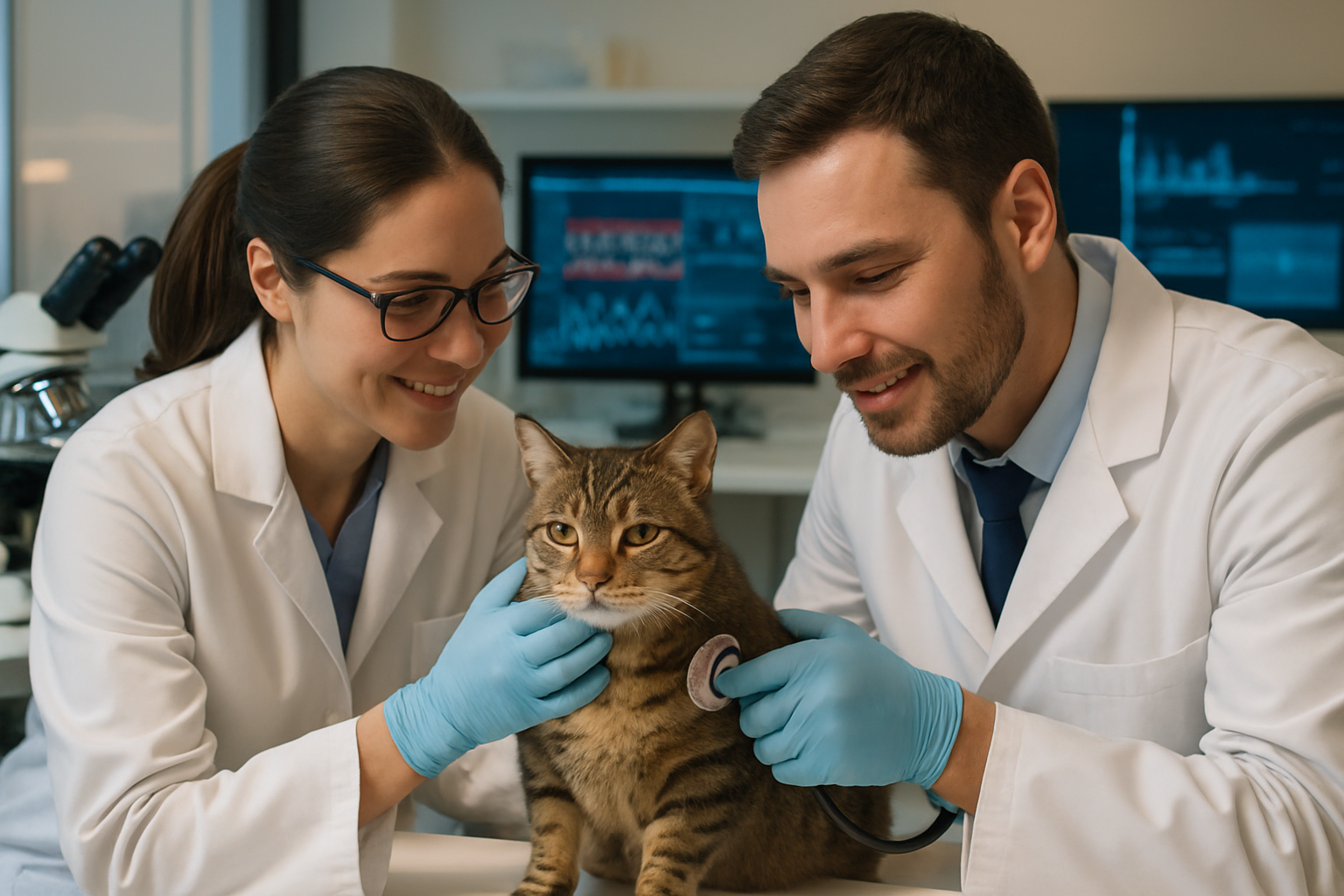
A revolutionary discovery in veterinary oncology is revealing unexpected genetic parallels between feline cancer and human breast cancer, potentially transforming how researchers approach treatment for one of medicine's most challenging diseases.
Austrian researchers have identified a critical gene mutation that plays a central role in more than 50 percent of cat tumors and is also present in human breast cancer cases with poor prognosis. This breakthrough discovery, reported by derStandard.at, represents a significant step forward in comparative oncology – the study of cancer across different species.
The Genetic Connection
The research findings highlight how domestic cats are proving to be more than beloved companions; they are emerging as crucial partners in the fight against human cancer. Scientists have discovered that the genetic pathways driving certain feline cancers mirror those found in aggressive forms of human breast cancer, creating unprecedented opportunities for cross-species research collaboration.
This genetic similarity is particularly significant because it suggests that treatments developed for cats could potentially be adapted for human use, and vice versa. The shared molecular mechanisms between species provide researchers with multiple models to test therapeutic approaches, potentially accelerating the development of effective treatments.
"The parallels we're seeing between feline and human cancer genetics are remarkable and could fundamentally change how we approach treatment development."
— Research Team, Austrian Cancer Study
Comparative Oncology Revolution
The field of comparative oncology has gained significant momentum in recent years as researchers recognize that studying cancer across species can provide invaluable insights. Cats develop many of the same types of cancer as humans, including breast cancer, lymphoma, and sarcomas, often with similar genetic drivers and progression patterns.
What makes feline cancer research particularly valuable is that cats naturally develop these diseases at rates and in ways that closely mirror human cancer development. Unlike laboratory mice, which are artificially induced with cancer, cats develop tumors spontaneously in their natural environment, making them ideal models for understanding how cancer behaves in real-world conditions.
Implications for Treatment Development
The discovery of shared genetic mutations opens several promising avenues for treatment development. Researchers can now test potential therapies in feline patients, gathering crucial safety and efficacy data that could inform human clinical trials. This approach offers benefits for both species – cats receive access to cutting-edge treatments while humans gain valuable insights into therapeutic potential.
The research is particularly relevant for breast cancer patients with poor prognosis, where traditional treatments have shown limited effectiveness. By understanding the genetic mechanisms shared between species, scientists can develop more targeted approaches that address the root causes of aggressive cancer behavior.
Global Impact and Future Research
This breakthrough aligns with broader trends in 2026's "therapeutic revolution," where international cooperation and innovative approaches are driving medical advances worldwide. The collaborative research model between veterinary and human medicine represents a new paradigm in cancer research, maximizing resources and accelerating discovery.
The implications extend beyond breast cancer research. As scientists continue to identify genetic similarities between human and feline cancers, this comparative approach could benefit research into multiple cancer types, potentially leading to breakthrough treatments for both species.
Ethical Considerations and Benefits
The comparative oncology approach offers significant ethical advantages over traditional research models. Rather than artificially inducing cancer in laboratory animals, researchers can study naturally occurring diseases in pets who are already receiving veterinary care. This approach ensures that feline patients benefit directly from experimental treatments while contributing to broader medical knowledge.
Pet owners whose cats are diagnosed with cancer may now have access to innovative treatments that would otherwise be unavailable, while simultaneously contributing to research that could save human lives. This mutual benefit model represents a more ethical and effective approach to cancer research.
The research findings underscore the interconnected nature of health across species and highlight how veterinary medicine can make crucial contributions to human healthcare. As this field continues to evolve, the partnerships between human and veterinary oncologists may prove to be one of the most promising approaches to conquering cancer in the 21st century.