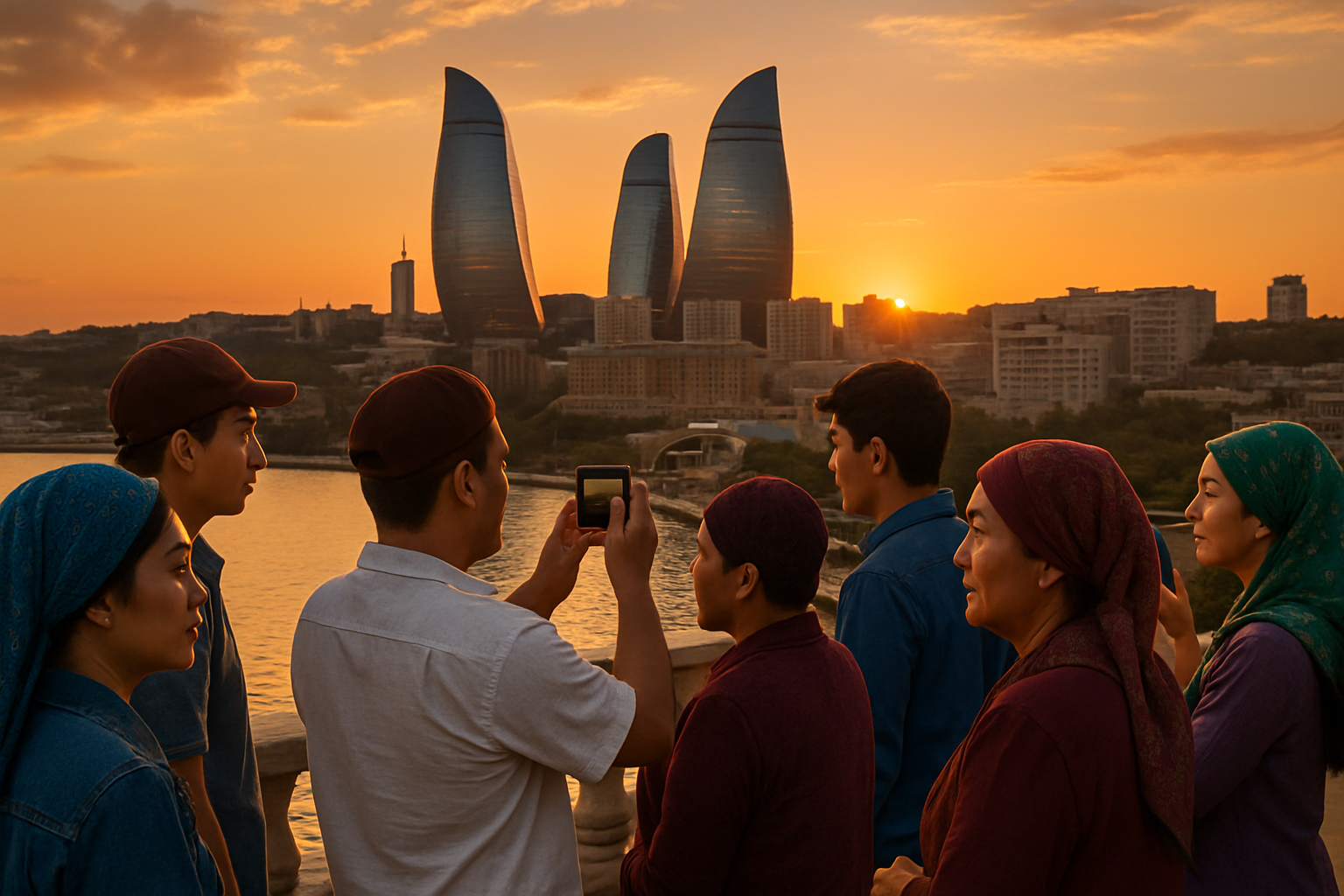
Azerbaijan is experiencing unprecedented growth in visitor numbers from Central Asian countries, with the State Tourism Agency reporting continued increases in arrivals from Kazakhstan, Uzbekistan, Kyrgyzstan, Tajikistan, and Turkmenistan, establishing the South Caucasus nation as a premier regional tourism destination.
The sustained growth trend represents more than just statistical success—it reflects Azerbaijan's strategic positioning as what the Center of Analysis of International Relations (CAIR) Chairman Farid Shafiyev has characterized as a "natural partner" for Central Asia rather than merely a neighbor.
Strategic Partnerships Drive Tourism Growth
Azerbaijan's tourism surge from Central Asia coincides with the country's recognition by the US Chamber of Commerce as a key regional energy coordinator, positioning it as a strategic East-West hub. This designation has enhanced Azerbaijan's profile among Central Asian nations seeking diversified partnerships and economic cooperation.
The February 2026 "C6: One Region, One Shared Future – Strengthening Strategic Dialogue" conference in Baku established institutional frameworks for sustained regional cooperation, creating working mechanisms that extend beyond traditional energy partnerships into cultural exchange and tourism development.
"Central Asia is not merely a neighbor for Azerbaijan, but a natural partner," emphasized CAIR Chairman Farid Shafiyev during the landmark C6 conference.
— Farid Shafiyev, Chairman, Center of Analysis of International Relations
Economic Transformation Fuels Tourism Appeal
Azerbaijan's appeal to Central Asian tourists has been significantly enhanced by the country's historic economic diversification. The nation achieved a landmark milestone in December 2025 when its non-oil GDP reached 52.7% of total output, demonstrating remarkable economic resilience with 8.6% growth in non-oil sectors.
This diversification has created new attractions for tourists beyond traditional energy-related visits, including technology centers, cultural sites, and modernized urban destinations that appeal to the growing middle class in Central Asian countries.
Current US-Azerbaijan trade totals $74.9 million annually, with massive expansion potential from Azerbaijan's $27.2 billion in total global exports. This economic dynamism translates into improved tourism infrastructure and enhanced visitor experiences that attract Central Asian travelers.
Regional Integration and Connectivity
The growth in Central Asian tourism to Azerbaijan reflects broader regional integration trends. Kazakhstan's emergence as a regional leader—with 6.7 million domestic tourists in the first nine months of 2025—demonstrates the expanding travel market within the region that Azerbaijan is successfully capturing.
New aviation routes have enhanced connectivity, including Cyprus's first-ever direct flights to Kazakhstan via Air Astana starting June 2026, indicating improved air links that facilitate regional travel. These infrastructure developments create multiple routing options for Central Asian travelers to reach Azerbaijan.
The February 2026 signing of 25 trade agreements worth $300 million between Afghanistan and Uzbekistan, along with the ratified Uzbekistan-Afghanistan-Pakistan railway project, demonstrates the region's commitment to enhanced connectivity that benefits tourism flows.
Cultural and Energy Tourism Synergy
Azerbaijan's unique position as both an energy hub and cultural destination creates compelling tourism propositions for Central Asian visitors. The country's role in regional energy coordination, combined with its rich cultural heritage including UNESCO World Heritage sites, offers diverse experiences for different traveler segments.
The nation's strategic East-West positioning provides Central Asian tourists access to European and Asian cultural influences within a single destination. This cultural synthesis, combined with Azerbaijan's own rich Turkic heritage shared with many Central Asian nations, creates natural cultural connections that facilitate tourism growth.
Infrastructure Investment Supporting Growth
Azerbaijan's tourism growth is supported by substantial infrastructure investments that enhance visitor experiences. The country's positioning as part of the global $570+ billion infrastructure surge includes modernized airports, enhanced telecommunications, and improved accommodation facilities.
Recent developments include SOCAR's inauguration of the first fully electric vehicle charging station in the South Caucasus, demonstrating Azerbaijan's commitment to sustainable tourism infrastructure that appeals to environmentally conscious travelers from the region.
Regional Cooperation Framework
The C6 conference established working frameworks including regular consultations, technical working groups, joint investment committees, and monitoring mechanisms that facilitate tourism development. These institutional structures provide continuity for long-term tourism planning and marketing cooperation.
Azerbaijan's approach emphasizes mutual benefits through regional integration while respecting national sovereignty—a approach that resonates with Central Asian nations' foreign policy priorities. This diplomatic framework creates favorable conditions for sustained tourism growth.
Quality-Focused Tourism Development
Azerbaijan's tourism strategy aligns with global industry trends toward quality-focused development over volume-based approaches. The country's emphasis on authentic cultural experiences, combined with modern amenities and strategic location, appeals to Central Asian tourists seeking diverse and meaningful travel experiences.
The tourism growth occurs within the context of Azerbaijan's broader international engagement, including its role in global energy markets and participation in international forums that enhance its visibility among Central Asian business and cultural leaders.
Future Growth Prospects
The sustained growth trend positions Azerbaijan favorably for continued expansion of Central Asian tourism. The institutional frameworks established through the C6 conference, combined with ongoing infrastructure investments and regional economic integration, create foundations for long-term tourism partnership development.
Azerbaijan's success in attracting Central Asian visitors could serve as a template for other regional destinations seeking to leverage cultural connections, strategic positioning, and economic cooperation for tourism development. The country's approach demonstrates how diplomatic engagement, infrastructure investment, and cultural authenticity can combine to create compelling tourism destinations.
As Central Asian economies continue modernizing and their populations gain increased mobility, Azerbaijan's positioning as a natural partner and premier regional destination suggests continued strong performance in this important tourism market segment.