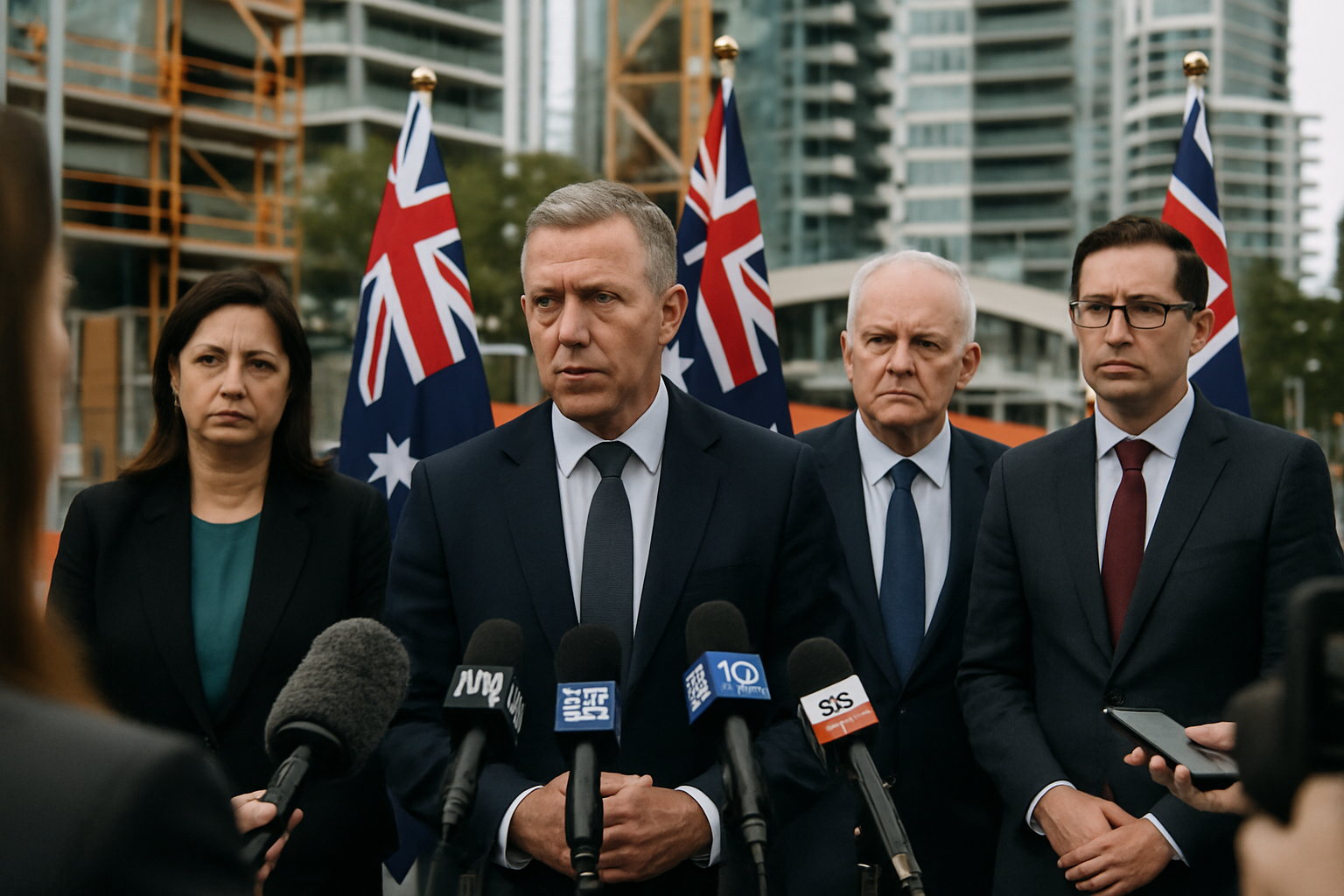
In an unprecedented move, the Queensland commission investigating the Construction, Forestry, Maritime, Mining and Energy Union (CFMEU) has taken the extraordinary step of holding a public press conference outside a Gold Coast traffic equipment supplier, urging members of the public to come forward with information as part of their ongoing corruption investigation.
The highly unusual public appeal, conducted outside the traffic management firm's premises on the Gold Coast, represents a significant escalation in the inquiry's investigative approach. Commission officials made the rare decision to move their operations into public view, demonstrating the serious nature of their investigation into potential connections between the union and private businesses.
Unprecedented Public Investigation Tactics
According to sources familiar with the inquiry, the commission of inquiry into the CFMEU has called out specific businesses and launched a direct appeal for information from the public. This marks one of the first times an Australian commission of inquiry has taken such a public and confrontational approach to gathering evidence in a corruption investigation.
The press conference was held directly outside the traffic equipment supplier's premises, sending a clear message about the commission's determination to thoroughly investigate all aspects of potential corruption within the union's operations. The targeted nature of this public appeal suggests investigators have identified specific concerns about relationships between CFMEU operations and traffic management companies.
Queensland Political Pressure Intensifies
The commission's actions come at a time of heightened political pressure in Queensland, with the investigation's findings expected to have significant ramifications for both the union movement and the state's political landscape. The decision to make such a public appeal indicates the commission believes there may be witnesses or individuals with relevant information who have not yet come forward through traditional investigative channels.
The targeting of a traffic management firm is particularly significant given the construction industry's reliance on traffic control services, creating potential avenues for corrupt relationships between union officials and service providers. Traffic management is a critical component of major construction projects across Queensland, making any corruption in this sector particularly concerning for public infrastructure integrity.
Broader Corruption Investigation Context
This development occurs within Australia's broader context of high-profile corruption investigations affecting various levels of government and industry. Recent months have seen intensified scrutiny of relationships between unions, political figures, and private businesses, with several major inquiries running simultaneously across different jurisdictions.
The CFMEU, one of Australia's most powerful and controversial unions, has faced persistent allegations of corrupt practices, inappropriate relationships with employers, and potential criminal activities. The union's influence in the construction sector makes any corruption allegations particularly significant for major infrastructure projects across Queensland.
Public Appeal Strategy
The commission's decision to hold a media conference outside a specific business premises represents a departure from traditional inquiry procedures, which typically rely on private testimony and document examination. This public approach suggests investigators believe there may be widespread knowledge of inappropriate relationships that requires community assistance to fully uncover.
"The commission is appealing for anyone with information to come forward,"
— Commission spokesperson
The strategic timing and location of the press conference demonstrates the commission's confidence in their investigation while putting public pressure on both the targeted business and potential witnesses to cooperate with the inquiry process.
Industry-Wide Implications
The focus on traffic management firms could have broader implications for Queensland's construction industry, potentially affecting how infrastructure projects are managed and supervised. Traffic control is essential for virtually all major construction work, creating numerous opportunities for inappropriate relationships between unions and service providers.
The investigation's public nature may encourage other individuals with knowledge of similar arrangements to come forward, potentially expanding the scope of the inquiry beyond the initially targeted relationships. This could lead to a comprehensive examination of business practices across Queensland's construction sector.
Legal and Constitutional Considerations
The commission's public appeal strategy raises important questions about the balance between transparency and due process in corruption investigations. While public appeals can generate valuable information and demonstrate transparency, they also create potential risks for businesses and individuals who may be subjects of investigation but have not been formally charged with wrongdoing.
The unprecedented nature of holding a press conference outside a specific business premises represents a significant step in Australian commission practice, potentially setting new precedents for how future corruption investigations are conducted. Legal experts will be watching closely to assess the effectiveness and appropriateness of these tactics.
Expected Outcomes and Timeline
The commission's public appeal is expected to generate significant media attention and potentially encourage witnesses to come forward with information relevant to the investigation. The high-profile nature of the press conference suggests commissioners believe they are pursuing serious allegations that require urgent public attention.
As the investigation continues, the commission's findings could have far-reaching implications for union governance, construction industry practices, and political relationships in Queensland. The ultimate resolution of these investigations will likely influence how similar inquiries are conducted in the future and may result in significant reforms to oversight mechanisms in the construction sector.
The CFMEU inquiry represents one of the most significant examinations of union conduct in recent Australian history, with outcomes that could reshape relationships between organized labor, government, and private industry across the country. The commission's willingness to adopt unprecedented public tactics demonstrates the serious nature of the allegations under investigation and the determination to uncover the full extent of any corrupt practices.