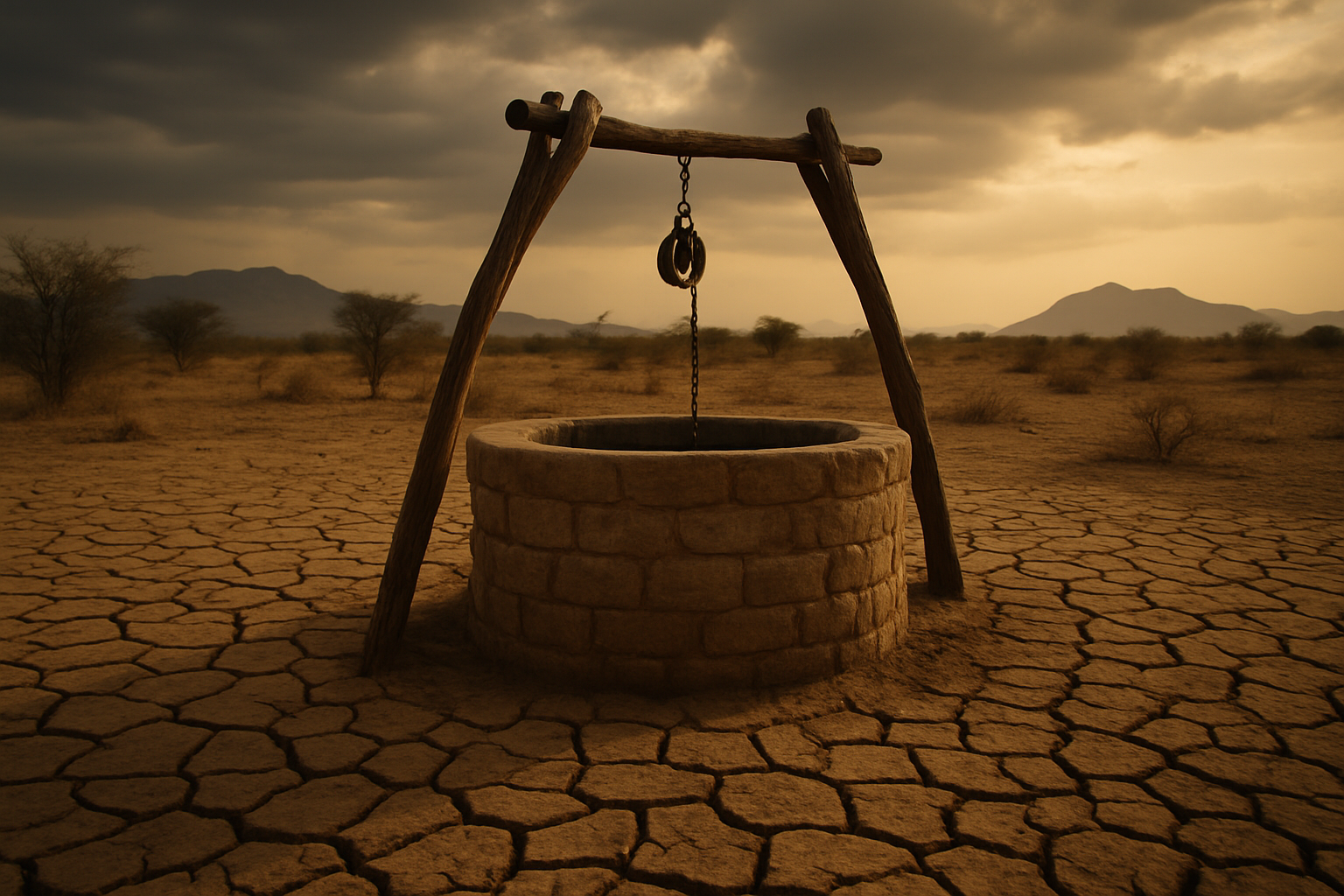
At least 42 people were killed and 10 wounded in devastating ethnic clashes over water resources in Chad's eastern Wadi Fira province, officials confirmed Sunday, marking one of the deadliest resource conflicts in the landlocked nation's recent history.
The violence erupted Saturday when a dispute between two families over access to a water point in the village of Igote escalated into widespread ethnic reprisal attacks that spread across multiple communities near the Sudan border. Deputy Prime Minister Limane Mahamat, who led a government delegation to the affected area, described a "cycle of reprisals" that required immediate military intervention.
The conflict began as a localized disagreement but quickly transformed into broader ethnic violence, with entire villages burned down as rival groups sought revenge. The rapid escalation from a water dispute to deadly ethnic warfare highlights the dangerous intersection of climate change, resource scarcity, and communal tensions plaguing the Sahel region.
Military Intervention Restores Fragile Calm
"The swift response by the military helped contain the clashes and the situation is now under control," Mahamat stated during his visit to Igote village. However, the government's characterization of the situation as "under control" stands in stark contrast to the devastating human toll and the underlying tensions that remain unresolved.
The injured were evacuated to the provincial health center for treatment, according to official reports. The government delegation launched an immediate investigation into the root causes of the violence while announcing emergency measures to prevent further escalation.
Chadian authorities described the incident as beginning between "rival ethnic groups" but have not specified which communities were involved in the violence. The conflict occurred in a region that has experienced recurring tensions over diminishing natural resources, particularly during Chad's increasingly severe dry seasons.
Water Scarcity Fuels Regional Instability
The deadly clashes in Wadi Fira province underscore the growing security implications of water scarcity across the Sahel. Chad, like much of sub-Saharan Africa, has experienced prolonged drought conditions and unpredictable rainfall patterns that have intensified competition for scarce water resources.
Traditional water-sharing arrangements between pastoral and agricultural communities have come under severe strain as climate change alters seasonal patterns and reduces available water sources. What were once manageable disputes over access rights have increasingly escalated into violent confrontations with ethnic dimensions.
The proximity to Sudan's border adds another layer of complexity, as the region has been affected by spillover from Sudan's ongoing civil war. The presence of displaced populations and the breakdown of traditional governance structures have further complicated resource management in border areas.
Climate Change as Conflict Multiplier
Security experts increasingly recognize climate change as a "threat multiplier" that exacerbates existing tensions and creates new sources of conflict. In Chad's case, rising temperatures and irregular precipitation have disrupted agricultural cycles and forced pastoral communities to alter traditional migration patterns.
The country has experienced some of the most severe climate impacts in the Sahel, with temperatures rising faster than the global average and rainfall becoming increasingly unpredictable. Lake Chad, the region's major water source, has shrunk by approximately 90% since the 1960s, forcing millions to compete for diminishing resources.
Traditional conflict resolution mechanisms, developed over centuries of managing seasonal disputes, are proving inadequate to handle the scale and intensity of climate-related resource competition. Community elders who once mediated water-sharing agreements now face unprecedented challenges as the basic assumptions about seasonal availability no longer hold true.
Regional Pattern of Resource Conflicts
The Wadi Fira violence fits within a broader pattern of resource-related conflicts across the Sahel region. Similar incidents have occurred in neighboring countries including Mali, Niger, and Burkina Faso, where competition between farmers and herders over land and water has contributed to regional instability.
The African Union has identified resource scarcity as one of the primary drivers of conflict across the continent, requiring coordinated regional responses. However, national governments often lack the capacity to address the complex intersection of climate adaptation, conflict prevention, and development needs.
Chad's government faces particular challenges given its limited infrastructure and ongoing security commitments. The country has deployed troops to international peacekeeping missions while managing internal security threats, leaving fewer resources available for conflict prevention and climate adaptation programs.
International Response and Long-term Solutions
The tragedy highlights the urgent need for international support to address the root causes of climate-related conflicts in the Sahel. Development partners have increasingly recognized that traditional humanitarian responses are insufficient to address the complex challenges facing the region.
Experts emphasize the need for comprehensive approaches that combine immediate conflict prevention with longer-term climate adaptation strategies. This includes investment in water infrastructure, support for climate-resilient agriculture, and strengthening of local governance mechanisms to manage resource disputes.
The international community has begun to develop frameworks for addressing climate security challenges, but implementation remains inconsistent. The recent violence in Chad demonstrates the human cost of delayed action on climate adaptation and conflict prevention.
Government Response and Future Challenges
Chad's government has announced plans to launch a comprehensive dialogue process aimed at addressing the underlying causes of the violence. This includes consultations with traditional leaders, civil society organizations, and affected communities to develop sustainable mechanisms for managing resource disputes.
However, the government faces significant challenges in addressing the structural factors that contributed to the conflict. Limited state capacity, ongoing security threats, and the scale of climate adaptation needs require substantial international support and long-term commitment.
The incident also raises questions about early warning systems and conflict prevention mechanisms. Despite growing recognition of climate-related security risks, many countries in the Sahel lack effective systems for identifying and responding to emerging resource disputes before they escalate into violence.
As Chad mourns the victims of this latest tragedy, the international community must grapple with the reality that climate change is already reshaping conflict patterns across Africa. The deadly water dispute in Wadi Fira province serves as a stark reminder that addressing climate security challenges requires urgent, coordinated action before more communities pay the ultimate price for inaction.