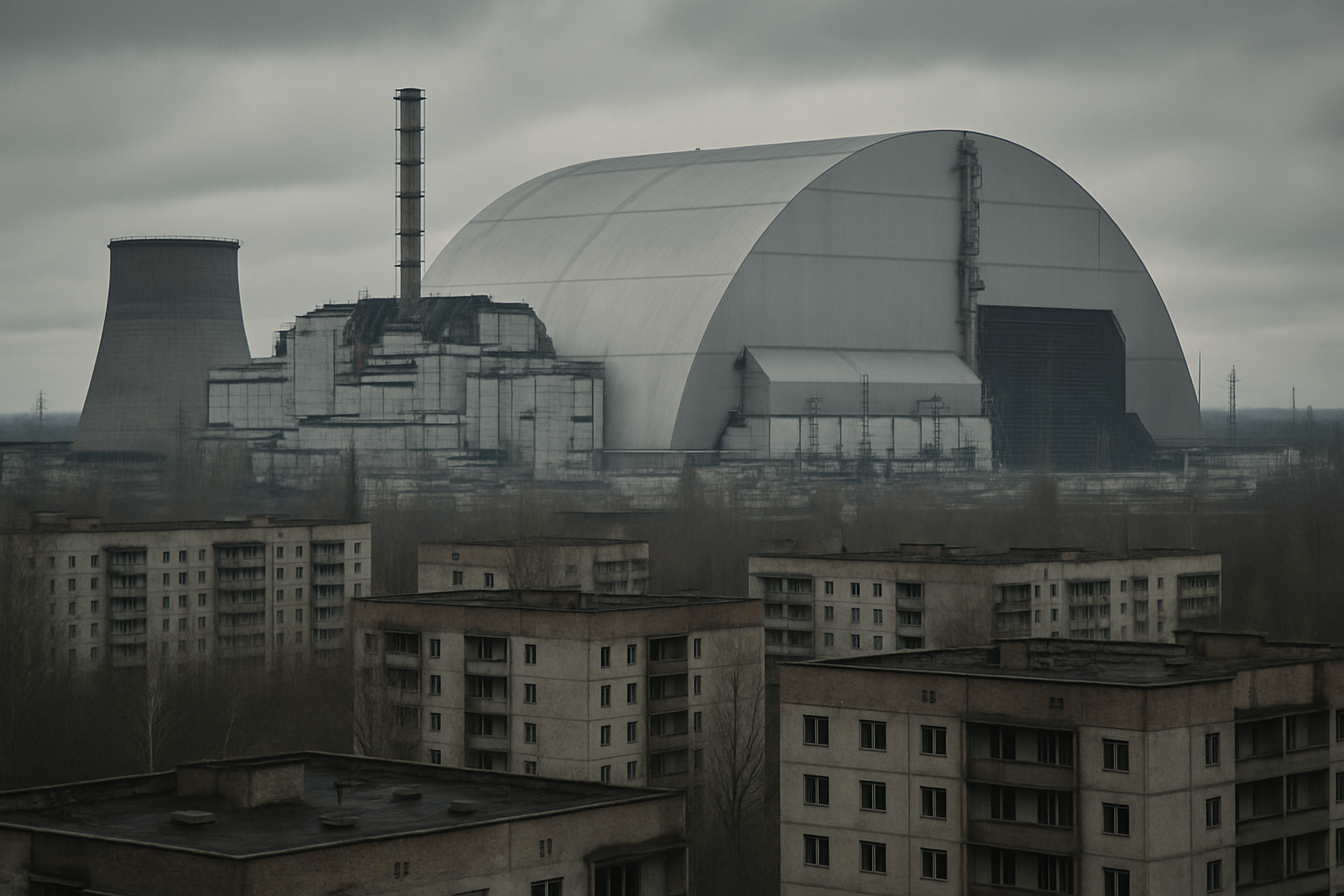
Forty years after the world's worst nuclear disaster, the Chernobyl Nuclear Power Plant continues to serve as a stark reminder of nuclear technology's dangers while facing unprecedented new threats from modern warfare targeting nuclear facilities.
On April 26, 2026, the international community marked four decades since the catastrophic explosion at Reactor 4 of the Chernobyl Nuclear Power Plant in Ukraine, which released radioactive materials across Europe and forever changed global nuclear safety protocols. This year's commemorations carry particular urgency as nuclear facilities worldwide face deliberate military targeting for the first time since the 1986 disaster.
New Threats to Nuclear Security
The anniversary occurs against the backdrop of an unprecedented nuclear safety crisis. Unlike the technical failures that caused the original 1986 disaster, today's threats involve deliberate targeting of nuclear facilities during active warfare, creating entirely new categories of nuclear danger that the international community is ill-prepared to address.
The massive steel New Safe Confinement structure, larger than the Statue of Liberty and designed to contain radioactive materials for a century, now faces potential vulnerability to military targeting. Originally built to protect against radiation leaks, its architects never anticipated wartime scenarios where the protective structure itself could become a target.
"We face a fundamental difference between the 1986 technical failures and current deliberate targeting of nuclear facilities during active warfare. This creates entirely new categories of nuclear danger that the international community is ill-prepared to address."
— Rafael Grossi, IAEA Director General
Commemorations and Remembrance
This year's commemorations brought together survivors, cleanup workers, and international leaders to honor the victims and reflect on lessons learned. Estonian Chernobyl Association Chairman Jaan Krinal shared his experiences among the thousands of Estonians sent to clean up the disaster site by Soviet authorities, describing the cleanup work as largely "pointless" but necessary for those involved.
Le Monde conducted a rare journey into the exclusion zone, documenting how the territory has become "virtually wild and still very sparsely populated" in the 40 years since access was prohibited following the nuclear accident. The zone, though still contaminated, has paradoxically become a unique ecosystem where nature has adapted to radioactive conditions.
Personal Testimonies
Greek media shared personal accounts of travelers who were in Budapest just days after the disaster, describing radiation monitoring at airports and the widespread fear that gripped Europe as the scale of the contamination became clear. These firsthand testimonies remind us of the human stories behind the technical discussions of nuclear safety.
Swedish media highlighted the experiences of firefighters who risked their lives at Chernobyl, working through the night with minimal protective equipment to prevent the spread of fire. Firefighter Petro Chmel recalled having "no protective equipment other than regular smoke masks" while battling the inferno at the damaged reactor.
The Exclusion Zone Today
Four decades later, the Chernobyl Exclusion Zone remains a testament to the lasting impact of nuclear disasters. French reporting reveals that military operations have been conducted within this contaminated area, with troops moving through soil that still bears the radioactive signature of the original disaster.
The city of Slavutych, built to house former Chernobyl workers, now faces a dual trauma of nuclear past and wartime present. This community exemplifies how the legacy of Chernobyl continues to shape lives even as new nuclear threats emerge.
Nuclear Governance Crisis
The 40th anniversary coincides with a critical juncture in nuclear governance. The expiration of the New START treaty in February 2026 marked the first time in over 50 years without US-Russia nuclear constraints, creating an unprecedented governance vacuum as both nations control 80% of the world's nuclear weapons.
UN Secretary-General António Guterres has described current nuclear risks as being at their "highest level in decades," calling it a "grave turning point" for international nuclear security frameworks. The combination of Chernobyl's lessons with today's governance crisis creates extraordinary urgency for diplomatic solutions.
International Response
European leaders have called for strengthened nuclear safety measures and increased pressure to cease attacks on nuclear infrastructure during conflicts. The European Parliament has adopted appeals to international partners for enhanced protection of nuclear facilities during warfare, recognizing that such targeting violates international humanitarian law.
Germany has organized exhibitions emphasizing the continued relevance of Chernobyl's nuclear safety lessons, with displays titled "The Chornobyl Catastrophe: 40 Years Past and Nevertheless Very Current" highlighting how nuclear vulnerabilities remain relevant four decades later.
Legacy and Lessons
The original Chernobyl disaster taught the world that nuclear accidents recognize no borders, with radioactive fallout affecting multiple nations regardless of political boundaries. Today's events suggest these lessons have been inadequately absorbed by military planners who view nuclear facilities as legitimate targets during warfare.
According to historian Tatiana Kasperski, the 1986 accident was not just the most serious atomic catastrophe in history but also a contemporary revelation of "nuclear colonialism," where the consequences of nuclear decisions disproportionately affect certain populations while benefiting others.
Environmental Impact Continues
German scientific monitoring shows that 40 years after the disaster, some wildlife in Germany still exhibits high radioactivity levels. Wild boar in certain regions show elevated radiation because their food sources contain radioactive substances that originated from Chernobyl fallout carried across Europe by wind patterns.
This ongoing contamination demonstrates the persistent nature of nuclear pollution and the importance of continued monitoring and research decades after initial exposure.
Global Nuclear Safety Standards
The Chernobyl disaster fundamentally transformed global nuclear safety standards, leading to enhanced reactor designs, improved safety protocols, and international cooperation mechanisms. The International Atomic Energy Agency's role in monitoring and preventing nuclear accidents was significantly strengthened following the 1986 events.
However, current events highlight gaps in the international legal framework for protecting nuclear facilities during armed conflicts. The Geneva Conventions' provisions for civilian infrastructure protection appear insufficient when dealing with deliberate targeting of nuclear installations.
Looking Forward
As the world marks 40 years since Chernobyl, the anniversary serves both as remembrance of past tragedy and a call to action for addressing contemporary nuclear threats. The success of addressing today's nuclear challenges will determine whether Chernobyl's lessons contribute to enhanced global nuclear safety or serve as a tragic precedent for future nuclear disasters with even more catastrophic consequences.
The international community faces a critical choice: strengthen nuclear safety protocols and legal frameworks to protect nuclear facilities during conflicts, or risk repeating and potentially surpassing the devastation witnessed at Chernobyl four decades ago.
Moldova's President Maia Sandu announced plans to visit both Kyiv and Chernobyl, demonstrating continued regional commitment to nuclear safety awareness. Such high-level visits underscore the ongoing relevance of Chernobyl's lessons for contemporary nuclear governance.
The 40th anniversary of Chernobyl occurs at a moment when the international community must choose between learning from past nuclear tragedies to prevent future ones or allowing nuclear facilities to become legitimate military targets, potentially leading to disasters that could dwarf the 1986 catastrophe in scope and impact.