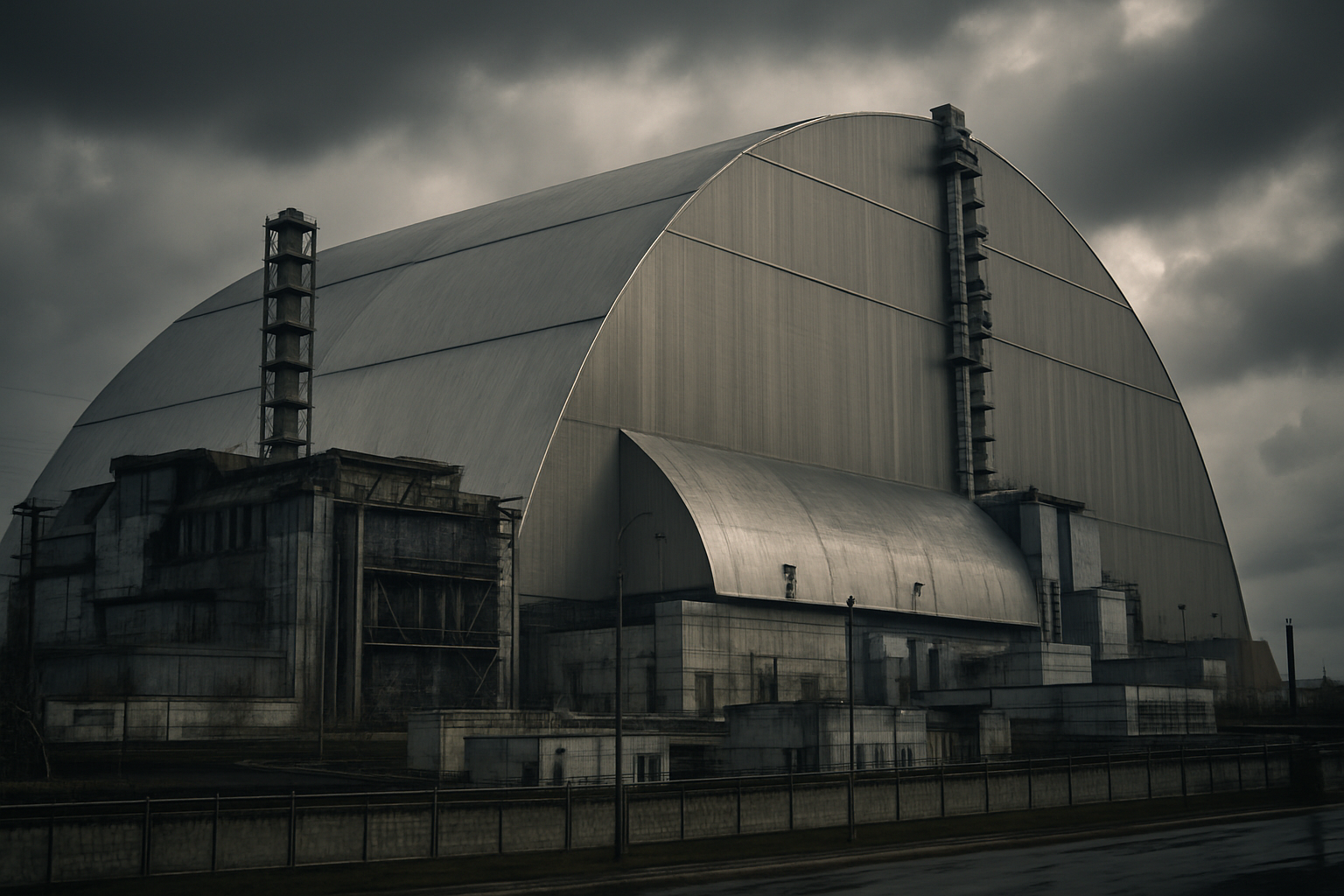
Europe marks 40 years since the Chernobyl nuclear disaster with renewed urgency for nuclear safety protocols, as the anniversary coincides with unprecedented threats to nuclear facilities from ongoing military conflicts and the collapse of international nuclear governance frameworks.
The April 26, 2026 anniversary of humanity's worst nuclear accident serves both as remembrance and a stark warning about contemporary nuclear vulnerabilities. Unlike the 1986 technical failures that led to the Chernobyl catastrophe, today's nuclear risks stem from deliberate military targeting of nuclear infrastructure during active warfare, fundamentally altering the nature of nuclear safety challenges.
Contemporary Nuclear Security Crisis
The Chernobyl commemoration occurs amid the most serious nuclear governance crisis since the Cold War. The New START treaty's expiration on February 5, 2026 marked the first time in over 50 years without US-Russia nuclear constraints, creating an unprecedented vacuum in bilateral nuclear limitations just as global nuclear risks reach their highest levels in decades, according to UN Secretary-General António Guterres.
International Atomic Energy Agency (IAEA) Director Rafael Grossi has emphasized the fundamental difference between the 1986 technical failures and current deliberate targeting of nuclear facilities during active warfare. "This creates entirely new categories of nuclear danger that the international community is ill-prepared to address," Grossi warned during recent nuclear safety assessments.
Military Targeting of Nuclear Infrastructure
The anniversary takes place against the backdrop of systematic military targeting of Ukrainian nuclear infrastructure throughout the ongoing conflict. Russian forces have repeatedly targeted electrical distribution networks supporting nuclear facilities, forcing Ukrainian nuclear plants to halt electricity production for the first time since the conflict began—a development that violates Geneva Conventions protections for civilian infrastructure.
The Ukrainian Foreign Ministry has warned that these attacks put "all of Europe at risk of a nuclear incident," highlighting how nuclear safety concerns transcend national borders. The targeting of nuclear facilities during warfare represents a dangerous escalation that nuclear architects never anticipated when designing safety protocols for the Chernobyl exclusion zone's New Safe Confinement structure.
The New Safe Confinement Vulnerability
The massive steel arch structure covering the damaged Chernobyl reactor—larger than the Statue of Liberty and designed to contain radioactive materials for a century—now faces potential vulnerabilities from military targeting scenarios during active warfare. Originally built to protect against radiation leaks, the structure's architects never anticipated wartime targeting scenarios that could compromise its protective mission.
Military operations have been conducted within the Chernobyl exclusion zone established in 1986, with troops moving through contaminated soil that bears the radioactive signature of the original disaster. The city of Slavutych, which houses former Chernobyl workers, faces the dual trauma of its nuclear past and the present reality of wartime conditions.
International Response and Historical Context
German exhibitions, including "Die Tschornobyl-Katastrophe: 40 Jahre her und dennoch sehr aktuell" (The Chornobyl Catastrophe: 40 Years Past Nevertheless Current) opened in Potsdam, emphasize the continued relevance of nuclear safety concerns four decades after the original disaster. These commemorative efforts underscore how lessons from 1986 remain critically important for addressing contemporary nuclear threats.
Greenpeace has released comprehensive reports documenting the consequences of attacks on Ukrainian nuclear facilities, calling for expanded sanctions and reconstruction support. The organization's documentation highlights how the original disaster's global impact—radioactive fallout that recognized no borders—parallels today's cross-border nuclear safety concerns.
Liquidators' Legacy and Modern Parallels
Lithuanian journalist Vygantas Guiga has shared previously untold details of the cleanup efforts following the 1986 disaster, including Soviet attempts to downplay the catastrophe's severity. These personal accounts of heroism and sacrifice behind nuclear incidents serve as powerful reminders of the human stories that define nuclear emergencies.
Current Ukrainian nuclear workers face similar risks to the original Chernobyl liquidators, but with the added terror of potential military targeting. The parallel between past and present nuclear emergency responders highlights the ongoing human cost of nuclear safety challenges.
Global Nuclear Governance Implications
The Chernobyl anniversary serves as both remembrance of past tragedy and a call to action for addressing contemporary nuclear threats. The targeting of nuclear facilities during warfare violates international humanitarian law and risks disasters that could potentially surpass the Chernobyl accident in scope and impact.
Nuclear security experts emphasize that effective nuclear safety requires sustained international cooperation to protect infrastructure even during conflict. The Ukrainian Parliament has adopted appeals to international partners for strengthened nuclear safety measures, seeking increased pressure on all parties to cease nuclear infrastructure attacks.
Lessons for the 21st Century
The original Chernobyl disaster taught the world about the global nature of nuclear accidents—radioactive fallout that recognizes no borders and affects multiple nations regardless of political boundaries. Current events suggest that these fundamental lessons have been inadequately absorbed by military planners who view nuclear facilities as legitimate targets during warfare.
Deliberate targeting of nuclear infrastructure represents a dangerous escalation with consequences that extend far beyond immediate war zones, affecting continental safety and international stability. The 40th anniversary commemoration emphasizes that nuclear vulnerabilities remain a persistent challenge requiring constant vigilance and international cooperation.
Contemporary Relevance and Future Challenges
As Europe marks four decades since Chernobyl, the anniversary serves as a powerful reminder that nuclear safety is fundamental to international security and requires sustained cooperation among nations. The combination of historical lessons and contemporary threats creates an urgent imperative for strengthening nuclear safety protocols and international legal frameworks protecting nuclear installations during conflicts.
The anniversary occurs at a critical juncture when nuclear governance frameworks have collapsed, creating unprecedented risks that demand immediate international attention. Success in addressing these contemporary nuclear challenges will determine whether the lessons of Chernobyl contribute to enhanced global nuclear safety or serve as a tragic precedent for future nuclear disasters with even more catastrophic consequences.