As the world commemorates the 40th anniversary of the Chernobyl nuclear disaster on April 26, 2026, the site of humanity's worst atomic accident faces an entirely new set of threats that experts warn could trigger another nuclear catastrophe.
The echoes of April 26, 1986, when reactor 4 at the Chernobyl Nuclear Power Plant exploded, killing two immediately and eventually leading to thousands of radiation-related deaths, now reverberate through a landscape transformed by war. The ongoing conflict in Ukraine has brought military operations dangerously close to nuclear facilities, creating what the International Atomic Energy Agency (IAEA) calls an unprecedented nuclear security crisis.
From Industrial Accident to Wartime Target
Four decades ago, a safety test gone catastrophically wrong at the Soviet-era plant led to the worst nuclear accident in history. Today, the site sits within an active war zone where Russian forces have repeatedly conducted military operations near nuclear infrastructure, fundamentally altering the nature of nuclear risk.
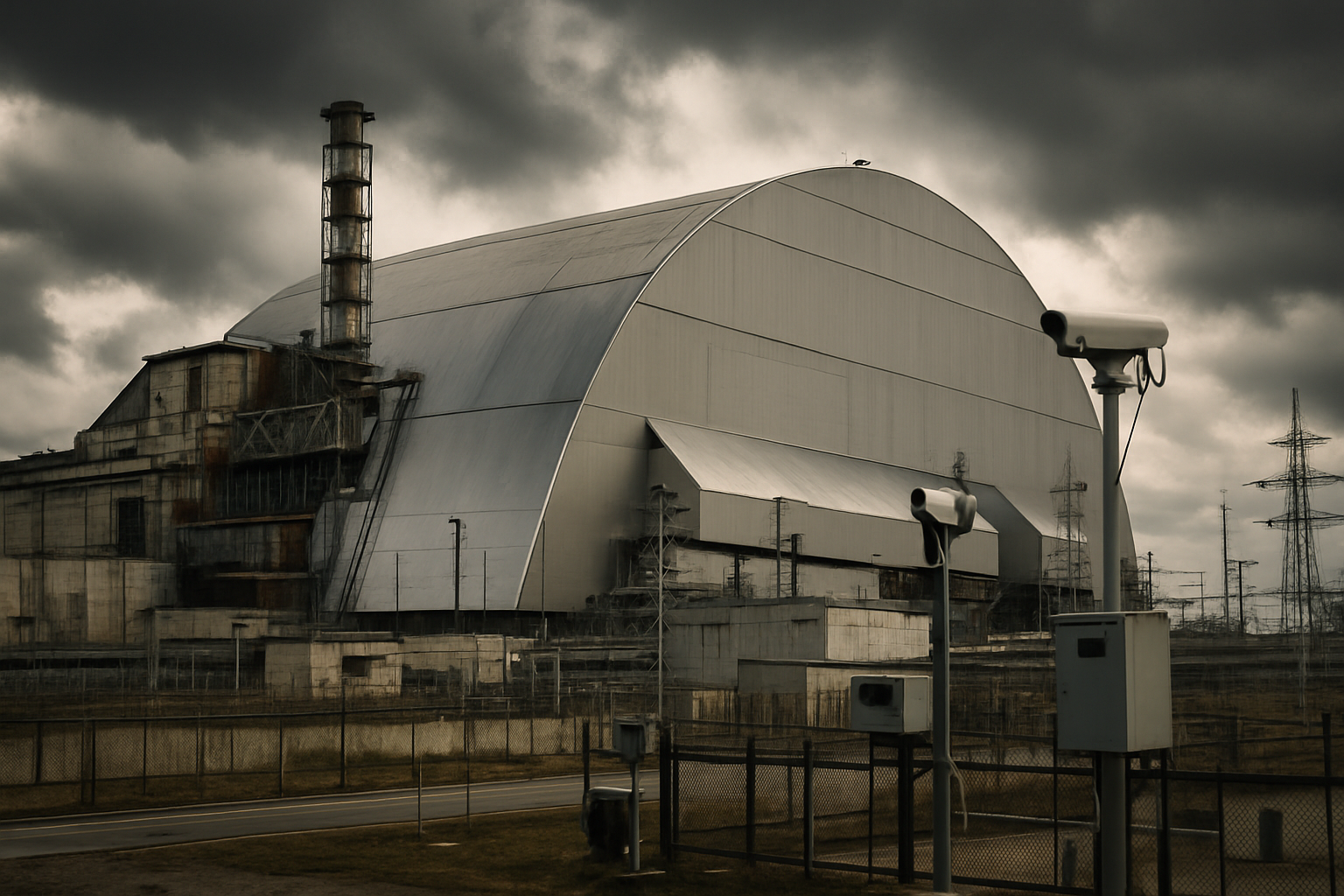
The New Safe Confinement structure, a massive steel arch completed in 2016 that towers over the damaged reactor like a modern monument to human hubris, now stands as a symbol not just of recovery but of vulnerability. This engineering marvel, larger than the Statue of Liberty and wider than the Colosseum, was designed to contain radioactive materials for the next century—but its designers never anticipated it might become a potential military target.
"The situation we face today is fundamentally different from 1986. Then we dealt with technical failures. Now we're confronting the deliberate targeting of nuclear facilities during active warfare."
— IAEA Director Rafael Grossi
Military Operations in the Exclusion Zone
Russian forces have conducted systematic attacks on Ukrainian nuclear infrastructure throughout the conflict, forcing nuclear plants to halt electricity production for the first time since the war began. The Ukrainian Foreign Ministry has warned that these attacks put "all of Europe at risk of nuclear incident" by targeting electrical distribution networks supporting nuclear facilities.
The exclusion zone around Chernobyl, established after the 1986 disaster, has witnessed military activity that would have been unthinkable just years ago. The area, once sealed off to protect the world from radiation, has become a corridor for military operations, with troops moving through contaminated soil that still bears the radioactive signature of the original disaster.
In nearby Slavutych, a purpose-built city that housed Chernobyl workers and their families after the disaster, residents now face the dual trauma of their nuclear past and an uncertain wartime present. The town, marked by the catastrophe of April 26, 1986, and Russia's 2022 invasion, represents the human cost of both industrial accidents and military aggression.
A New Nuclear Governance Crisis
The 40th anniversary occurs against the backdrop of an unprecedented nuclear governance crisis. The New START treaty between the United States and Russia expired in February 2026, marking the first time in over 50 years that the two nuclear superpowers operate without bilateral constraints on their atomic arsenals.
With both nations controlling 80% of the world's nuclear weapons, UN Secretary-General António Guterres has described the current situation as a "grave turning point" where nuclear risks have reached their highest levels in decades. The collapse of arms control frameworks coincides disturbingly with the militarization of nuclear sites.
European leaders have begun serious discussions about nuclear deterrence for the first time since the Cold War ended. German Chancellor Friedrich Merz has confirmed direct talks with French President Emmanuel Macron about expanding France's nuclear deterrent beyond national scope—a conversation that would have been unthinkable before the current crisis.
Lessons Learned and Lessons Ignored
The original Chernobyl disaster taught the world about the global nature of nuclear accidents—radioactive fallout recognizes no borders. The accident contaminated vast areas across Ukraine, Belarus, and Russia, creating an exclusion zone that persists today and demonstrating how nuclear incidents can affect entire continents.
Yet current events suggest these lessons have been inadequately absorbed by military planners. The deliberate targeting of nuclear infrastructure during the Ukraine conflict represents a dangerous escalation that could have consequences far beyond the immediate war zone.
"Unlike the technical failures of 1986, today's nuclear risks stem from deliberate military targeting of atomic facilities. This creates entirely new categories of danger that the international community is ill-prepared to address."
— Nuclear Security Expert, Vienna International Centre
The Human Element
Among the most poignant aspects of the anniversary commemorations are the stories of the liquidators—the men and women who risked their lives to contain the 1986 disaster. Lithuanian journalist Vygantas Guiga, who was among those sent to clean up the accident's aftermath, recently shared previously untold details of the cleanup effort and the Soviet system's initial attempts to downplay the catastrophe's severity.
These personal accounts remind us that behind every nuclear incident are human stories of heroism, sacrifice, and survival. Today's nuclear workers in Ukraine face similar risks, but with the added terror of potential military targeting of their facilities.
International Response and Future Safeguards
The international community has responded to the current nuclear crisis with a mixture of support for Ukraine and calls for enhanced protective measures. Greenpeace has released comprehensive reports documenting the consequences of attacks on nuclear facilities and calling for expanded sanctions and reconstruction support.
In Germany, the exhibition "The Chornobyl Catastrophe: 40 Years Past and Nevertheless Very Current" opened at St. Nicholas Church in Potsdam, emphasizing the continued relevance of nuclear safety concerns four decades after the original disaster.
The Ukrainian Parliament has adopted appeals to international partners for strengthened nuclear safety measures and increased pressure on Russia to cease nuclear infrastructure attacks. These efforts underscore the global nature of nuclear security and the need for coordinated international responses to nuclear threats.
A Critical Juncture for Nuclear Safety
As the world marks the 40th anniversary of Chernobyl, we face a critical juncture in nuclear safety. The combination of historical lessons from industrial accidents and new threats from military targeting of nuclear facilities creates unprecedented challenges for the international community.
The anniversary serves not merely as a remembrance of past tragedy but as a call to action for addressing contemporary nuclear threats. The targeting of nuclear facilities during warfare violates fundamental principles of international humanitarian law and risks creating disasters that could dwarf even the Chernobyl accident.
The lessons of April 26, 1986, taught us that nuclear accidents have global consequences. Today's events in Ukraine remind us that nuclear security requires sustained international cooperation and that the infrastructure supporting nuclear safety must be protected even—especially—during times of conflict.
Forty years after Chernobyl changed our understanding of nuclear risk, we face new challenges that test our commitment to nuclear safety and our ability to prevent both accidental and deliberate nuclear catastrophes. The stakes, as the anniversary reminds us, extend far beyond any single nation's borders and affect the safety and security of people worldwide.