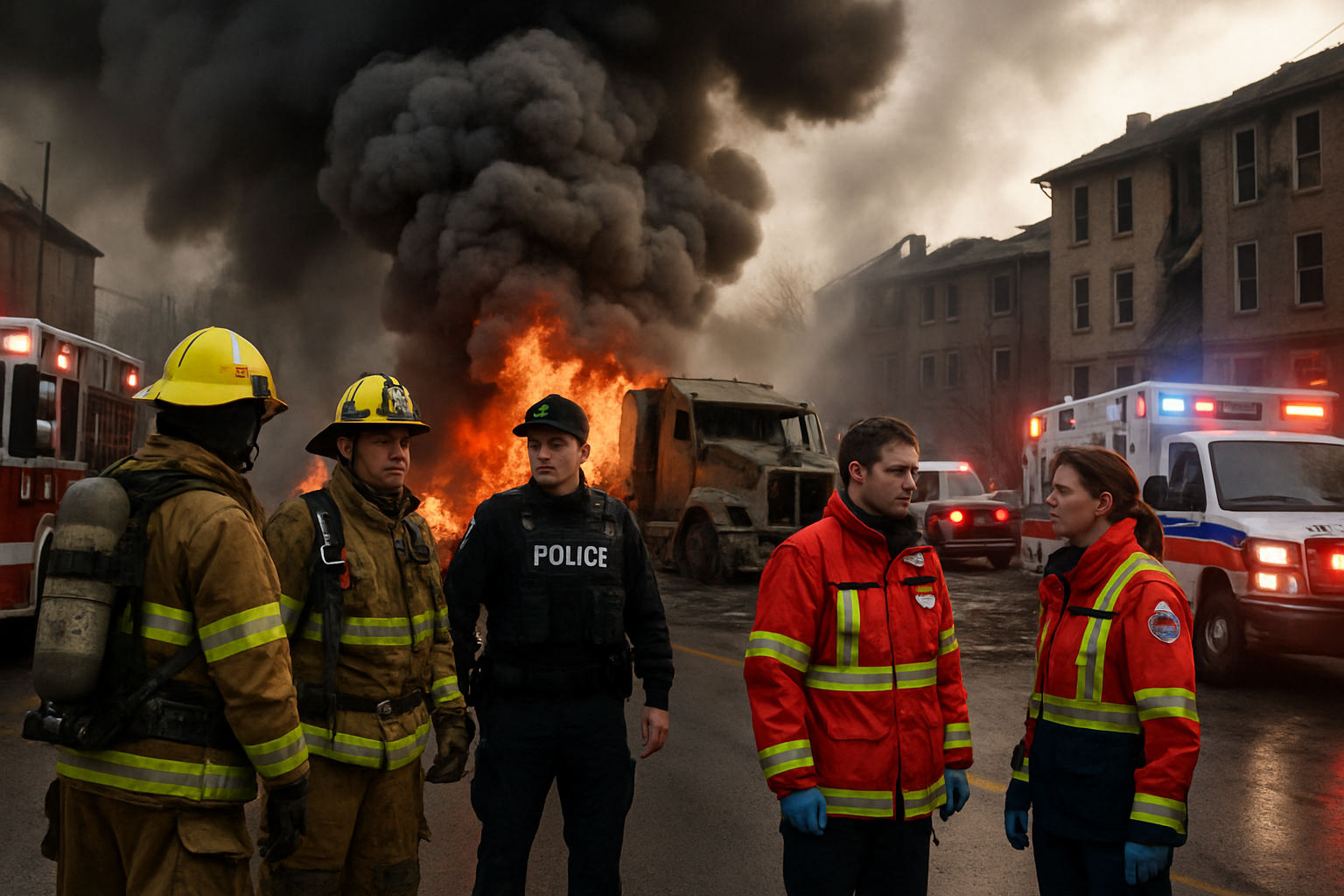
A catastrophic gas truck explosion in the Chilean commune of Renca has claimed five lives and left 18 people injured, with four in critical condition, in what authorities are describing as an "unprecedented accident" that has shaken the Santiago metropolitan area.
The deadly blast occurred on Thursday, February 19, 2026, when a gas transport truck exploded in the residential area of Renca, immediately north of Santiago. General Víctor Vielma of the Chilean National Police (Carabineros) characterized the incident as "a large and unprecedented accident," emphasizing the severity and unusual nature of the explosion.
Devastating Impact and Casualties
Initial reports from Nicaraguan and Peruvian media outlets indicated varying casualty figures, with early accounts suggesting three to four fatalities. However, Chilean authorities have confirmed the death toll has risen to five, making this one of the most serious industrial accidents in the region this year.
The explosion caused significant damage to the surrounding area, with the blast powerful enough to be felt throughout the neighborhood. Emergency medical teams were immediately dispatched to the scene, working to treat the injured and evacuate residents from the danger zone.
"This is a large and unprecedented accident. Specialized teams are conducting investigations to clarify the cause."
— General Víctor Vielma, Chilean National Police
Comprehensive Investigation Underway
Carabineros have launched a comprehensive investigation into the cause of the explosion, with specialized teams conducting detailed forensic analysis at the scene. The investigation aims to determine whether the blast was the result of mechanical failure, human error, or other factors.
Preliminary reports from Peruvian media suggest authorities are investigating possible excessive speed by the truck driver as a contributing factor. However, Chilean officials have not confirmed these details, emphasizing that the investigation remains ongoing and comprehensive.
The incident has highlighted concerns about the transportation of hazardous materials through residential areas, particularly given the proximity to populated neighborhoods in the Santiago metropolitan region.
Regional and International Coverage
The explosion has garnered significant attention across Latin America, with media outlets in Nicaragua, Peru, and throughout the region reporting on the tragedy. This reflects both the severity of the incident and the broader concerns about industrial safety in urban areas.
The timing of the explosion is particularly concerning, as it occurred during a period of extreme weather conditions affecting Chile and other parts of South America. Historical context from recent incidents shows that Chile has faced multiple challenges with industrial safety, including wildfires and other emergency situations that have tested the country's response capabilities.
Emergency Response and Safety Protocols
The rapid response from emergency services demonstrates Chile's preparedness for such incidents, despite the unprecedented nature of this particular explosion. Fire departments, medical personnel, and specialized hazardous materials teams coordinated efforts to contain the damage and provide medical assistance to victims.
The incident has occurred during a broader pattern of industrial safety challenges across Latin America, where aging infrastructure and increased industrial activity in urban areas have created new safety considerations for authorities.
Broader Industrial Safety Implications
This explosion adds to growing concerns about industrial safety in Chile and throughout Latin America. The incident follows other recent industrial accidents in the region, including mining disasters and infrastructure failures that have highlighted the need for enhanced safety protocols and regulatory oversight.
The investigation's findings will likely influence future regulations regarding the transportation of hazardous materials through residential areas, as well as safety protocols for gas transport vehicles operating in urban environments.
Community Impact and Response
The Renca community has been deeply affected by this tragedy, with local residents expressing both grief for the victims and concerns about safety in their neighborhood. The explosion has disrupted daily life in the area, with some residents temporarily relocated while authorities assess the safety of nearby buildings and infrastructure.
Community leaders are calling for increased transparency in the investigation and enhanced safety measures to prevent similar incidents in the future. The tragedy has sparked broader discussions about industrial safety standards and the balance between economic activity and residential safety.
Looking Ahead
As the investigation continues, authorities face pressure to provide answers to the families of victims and the broader community. The specialized teams conducting the investigation will need to examine all aspects of the incident, from vehicle maintenance records to driver qualifications and route safety protocols.
This unprecedented accident serves as a stark reminder of the risks associated with transporting hazardous materials in urban areas and the critical importance of maintaining the highest safety standards. The findings of this investigation will likely have lasting implications for industrial safety regulations throughout Chile and potentially across Latin America.
The Chilean government's response to this tragedy and the implementation of any resulting safety improvements will be closely watched by both domestic and international observers as a measure of the country's commitment to preventing similar incidents in the future.