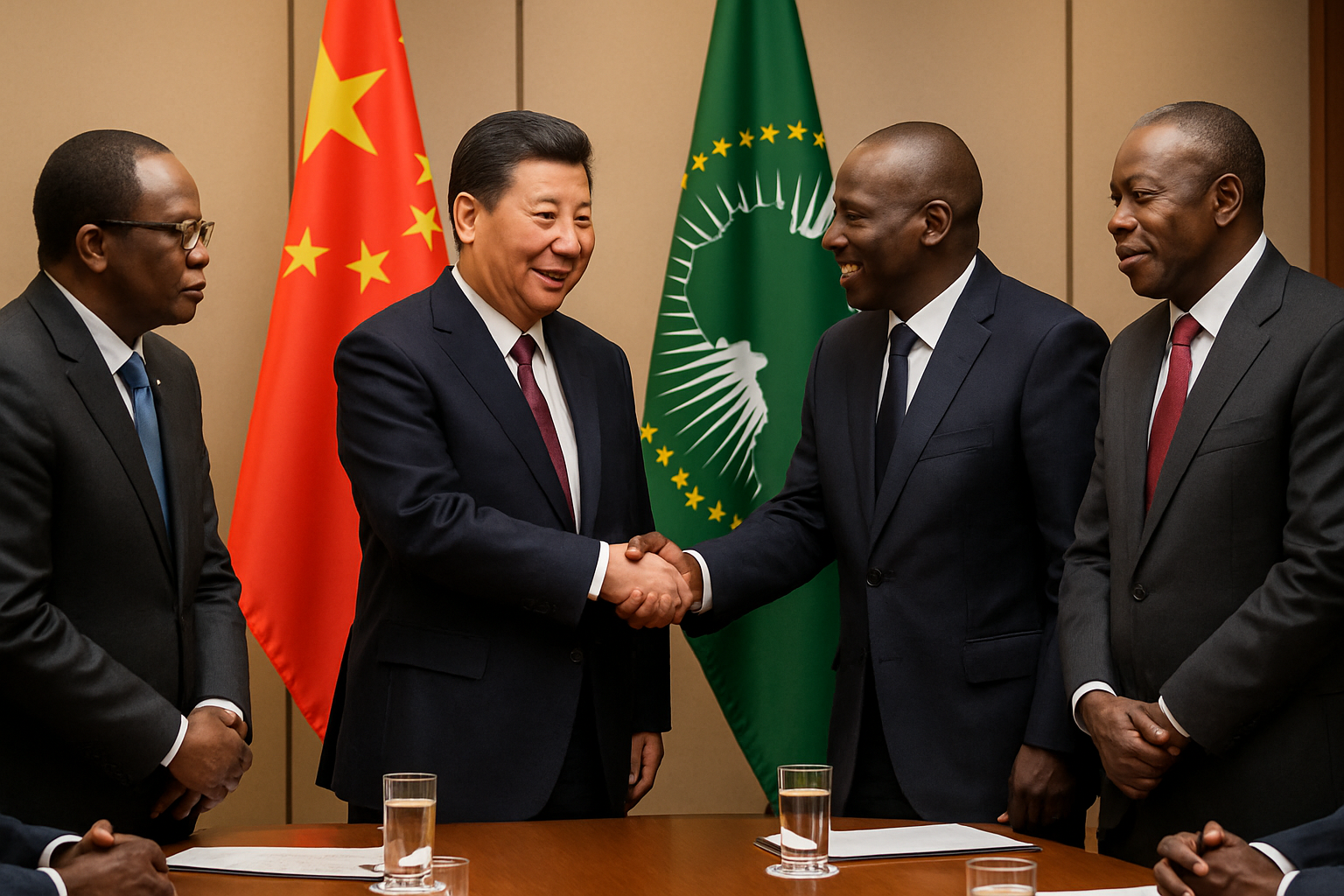
China announced the elimination of import tariffs for 53 African countries beginning May 1, 2026, representing the most comprehensive expansion of China-Africa trade relations in history and a strategic response to evolving global economic dynamics.
President Xi Jinping's announcement at the 39th African Union Summit in Addis Ababa marks a dramatic escalation of China's economic engagement with Africa, extending zero-tariff access to all African nations maintaining diplomatic relations with Beijing except Eswatini. The policy represents a significant expansion from the previous arrangement covering only 33 least-developed African countries.
Scope and Strategic Context
The tariff elimination applies to imports from 53 African countries with formal diplomatic ties to China, creating unprecedented market access opportunities for African exporters. Zimbabwe, Kenya, Nigeria, South Africa, and other major African economies will benefit from direct access to China's massive consumer market without trade barriers.
According to Chinese state media reports, the policy aims to "boost trade, investment, and economic cooperation across regions," building upon existing Belt and Road Initiative partnerships that have already transformed African infrastructure and economic development patterns over the past decade.
Global Trade Implications
The announcement comes amid broader shifts in international trade policy, particularly the Trump administration's bilateral trade strategy that has reshaped global economic relationships. China's African initiative represents a strategic counterpoint to American trade policies, positioning Beijing as a champion of multilateral economic cooperation.
The timing coincides with the recent 39th African Union Summit, where continental leaders emphasized strengthening the African Continental Free Trade Area (AfCFTA) through the inaugural Committee of Heads of State meeting on trade integration. China's tariff elimination directly supports AfCFTA objectives by creating external market opportunities that complement internal African trade expansion.
Economic Development Catalyst
For African countries, the tariff elimination creates immediate opportunities for export diversification and revenue generation. Agricultural products, minerals, manufactured goods, and textiles from participating nations will gain preferential access to the world's second-largest economy, potentially generating billions in additional export earnings.
"This represents unprecedented market access for African producers and exporters, creating new opportunities for economic growth and industrial development across the continent."
— Industry Analysis, Regional Trade Experts
The policy particularly benefits countries like Zimbabwe, which has faced international sanctions and limited market access. Zimbabwean officials confirmed the country is positioned to significantly increase exports to China across multiple sectors, from agricultural products to mineral resources.
Belt and Road Integration
The tariff elimination builds upon China's extensive Belt and Road Initiative investments in African infrastructure, creating a comprehensive framework combining physical connectivity with trade facilitation. Major projects like Angola's Lobito Corridor railway revival, which connects Atlantic ports to DRC mineral regions, will benefit from enhanced Chinese market access.
Chinese infrastructure investments across Africa - including ports, railways, airports, and digital networks - create the logistical foundation necessary to capitalize on expanded trade opportunities. The integration of infrastructure development with market access represents a sophisticated approach to economic partnership that extends beyond traditional aid or investment models.
Regional Partnerships and Cooperation
The announcement reinforces China's position as Africa's largest trading partner, with bilateral trade reaching record levels in recent years. Chinese companies have invested heavily in African mining, agriculture, manufacturing, and technology sectors, creating employment opportunities and technology transfer arrangements.
The policy also supports broader South-South cooperation initiatives, demonstrating how developing nations can create mutually beneficial economic relationships outside traditional North-South frameworks. This approach aligns with African Union objectives for increased intra-African trade and reduced dependence on former colonial powers.
Competitive Response Context
China's African tariff elimination occurs within broader great power competition dynamics, particularly regarding economic influence in developing regions. The United States has recently expanded bilateral trade agreements with Argentina, India, and other nations, while maintaining pressure on countries maintaining economic relationships with adversaries.
The European Union has similarly sought to strengthen partnerships with African nations through various trade and investment agreements, though these often include conditionalities related to governance and environmental standards that Chinese arrangements typically avoid.
Implementation Challenges and Opportunities
Successful implementation requires coordination between Chinese customs authorities and African export agencies to ensure smooth processing of expanded trade volumes. Technical standards, quality controls, and logistics coordination will determine how effectively African producers can capitalize on improved market access.
African countries must also develop export capacity and quality standards necessary to compete effectively in Chinese markets, potentially requiring investment in production facilities, quality control systems, and marketing capabilities.
Long-term Strategic Implications
The tariff elimination represents China's long-term commitment to African economic development as a strategic partnership priority. Unlike conditional aid or investment arrangements, the policy creates permanent preferential treatment that African countries can rely upon for economic planning and development strategies.
For China, expanded African trade relationships provide diversified supply sources for raw materials, agricultural products, and manufactured goods while creating markets for Chinese products and services. The arrangement also strengthens China's global influence through economic partnerships that transcend traditional geopolitical alignments.
Future Trajectory
The May 2026 implementation timeline provides African countries several months to prepare export strategies and develop market entry approaches for Chinese consumers. Success stories from early adopters will likely encourage broader African participation and potentially influence similar arrangements with other major economies.
This historic expansion of China-Africa economic cooperation demonstrates how bilateral partnerships can create substantial development opportunities while reshaping global trade patterns. The initiative establishes precedents for economic cooperation that prioritize mutual benefit over conditional assistance, potentially influencing international development and trade policies for years to come.